Blog

  • Crafting Value-Driven Content: Delivering More than Words in Every Content Piece

    Crafting Value-Driven Content: Delivering More than Words in Every Content Piece

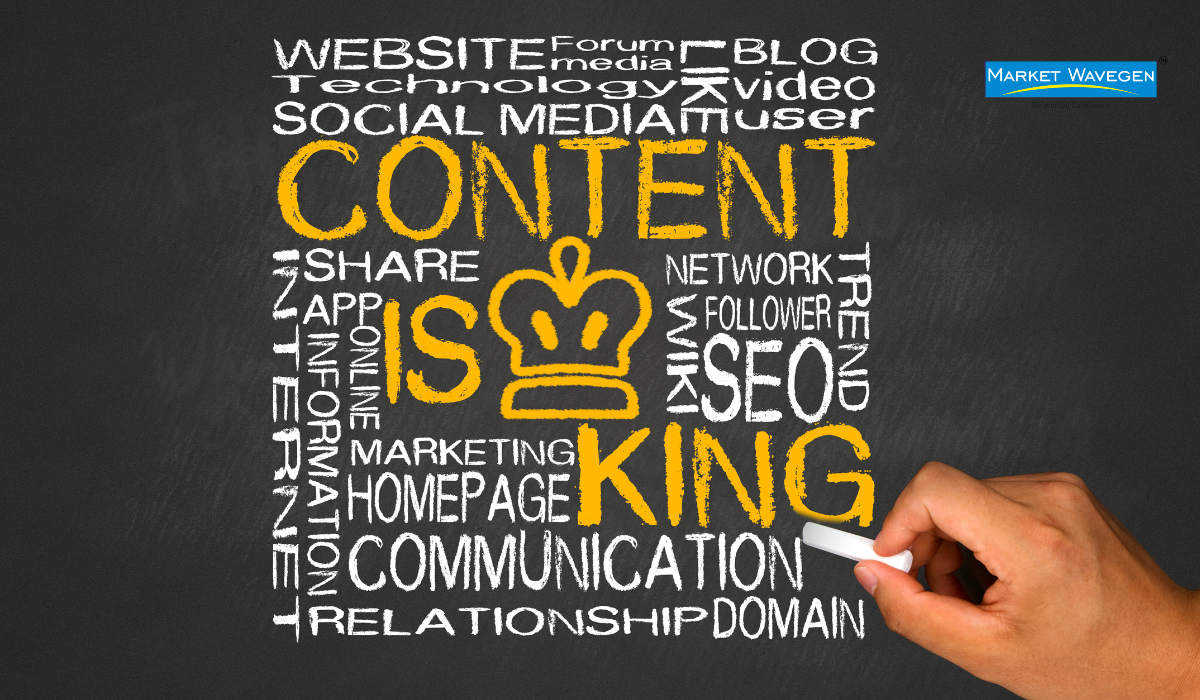
    “Value-driven content” is more than just a buzzword in the digital realm—it’s a guiding principle that transforms mere words into impactful communication. In this exploration of “Crafting Value-Driven Content: Delivering More than Words in Every Content Piece,” we uncover the crucial strategies to infuse your content with genuine value, ensuring it resonates with your audience while staying SEO-friendly in the competitive online landscape.

     Understanding Your Audience 

    The cornerstone of crafting “value-driven content” lies in cultivating a profound understanding of your target audience. Before venturing into any content creation endeavor, invest time in meticulously researching and analyzing your audience’s preferences, pain points, and interests. This comprehensive knowledge serves as the guiding compass for your content strategy, ensuring that each piece aligns with the specific needs and expectations of your audience. By grounding your content in a deep understanding of your audience, you not only enhance its relevance but also increase its potential to genuinely resonate and provide value.

    Crafting Compelling and Informative Content 

    The essence of “value-driven content” lies in its capacity to educate, entertain, or solve a problem for the audience. Whether presented through a blog post, article, or video, each piece should go beyond the ordinary, offering something substantial to the reader or viewer. Integrating actionable insights, in-depth analysis, or practical tips not only enriches the overall value of your content but also ensures that it aligns seamlessly with the needs and interests of your target audience.

    SEO-Friendly Content: Balancing Act 

    While creating value-driven content is paramount, it’s equally important to ensure that your content is SEO-friendly. Implementing relevant keywords naturally and strategically within your content helps search engines understand its context. Conduct thorough keyword research to identify terms that align with your content and resonate with your audience. 

    The Power of Storytelling 

    Human beings are inherently wired to be captivated by stories. Integrating storytelling into your content not only makes it more engaging but also enables you to connect with your audience on a deeper level. Share real-life experiences, case studies, or anecdotes that strategically reinforce the “value-driven content” message you want to convey. A well-told story possesses the potential to leave a lasting impact on your audience, ensuring that your content is not only memorable but also resonates profoundly with those who engage with it.

    Visual Appeal: Enhancing the User Experience 

    In the age of short attention spans, visual elements play a crucial role in retaining audience interest. Break up long blocks of text with images, infographics, and videos. Ensure that your content is visually appealing and easy to digest. This not only enhances the user experience but also complements the information you’re delivering. 

    Building Credibility and Trust 

    Value and trust go hand in hand. Consistently delivering high-quality, valuable content builds credibility and fosters trust with your audience. Include references, statistics, and expert opinions to support your claims. When your audience sees you as a reliable source of information, they are more likely to engage with and share your content. 

    Encouraging Audience Interaction 

    A two-way communication channel is essential for establishing a connection with your audience. Encourage comments, questions, and feedback. Respond promptly and thoughtfully to audience engagement. This not only strengthens your relationship with existing followers but also attracts new ones who appreciate the interactive nature of your content. 

    Utilizing social media for Amplification 

    Social media platforms are powerful tools for amplifying the reach of your content. Share your valuable content across various social channels, utilizing relevant hashtags, and engaging with your audience. Social sharing not only increases visibility but also encourages discussion and further sharing within the online community. 

    Conclusion 

    In a digital landscape saturated with content, the key to success lies in delivering more than just words. Value-driven content not only captivates your audience but also positions you as an authority in your field. Balancing SEO requirements with meaningful, insightful content is the formula for long-term success in the online realm. Remember, in the ever-evolving world of digital content, it’s the value you provide that will make you truly stand out. 

    Read More: Maximizing Your Content Marketing Efforts: Drive Traffic and Engagement

    Read more valuable content: finalstaging.marketwavegen.com

  • The Pivotal Role of Big Data in Streamlining Content Planning 

    The Pivotal Role of Big Data in Streamlining Content Planning 

    In the ever-evolving landscape of digital marketing, content planning has become a cornerstone for businesses aiming to engage their audience effectively. As technology advances, the integration of Big Data has emerged as a game-changer, providing unparalleled insights that empower content strategists to create more targeted and impactful campaigns. In this article, we will explore the pivotal role of Big Data in streamlining content planning, shedding light on how businesses can harness the power of data to optimize their content strategies.Digital Marketing Trends for 2024The Art of Storytelling in Brand MarketingDigital Marketing Trends for 2024

    1. Understanding Big Data in Content Planning:

    Big Data refers to the massive volume of structured and unstructured data generated by businesses and users alike. In the context of content planning, it encompasses a vast array of information, including user behavior, social media interactions, website analytics, and more. The key to leveraging Big Data in content planning lies in the ability to process and analyze this information to extract meaningful insights.

    2. Personalization through Data Analysis:

    One of the primary advantages of incorporating Big Data into content planning is the ability to personalize content for target audiences. By analyzing user preferences, behaviors, and demographics, businesses can tailor their content to resonate with specific segments of their audience. Personalization not only enhances user engagement but also increases the likelihood of conversion, as users are more likely to respond positively to content that speaks directly to their needs and interests.

    3. Content Optimization for SEO:

    Search Engine Optimization (SEO) is a critical component of any online strategy, and Big Data plays a crucial role in optimizing content for search engines. Through data analysis, businesses can identify relevant keywords, trending topics, and user search patterns. This insight allows content creators to develop high-quality, SEO-friendly content that is more likely to rank higher on search engine results pages (SERPs), driving organic traffic to their websites.

    4. Predictive Analytics for Trend Identification:

    Big Data enables businesses to harness the power of predictive analytics, helping them stay ahead of industry trends. By analyzing historical data and identifying patterns, businesses can anticipate future trends and create content that aligns with emerging interests. This proactive approach not only keeps content relevant but also positions businesses as industry leaders, attracting a more engaged and informed audience.

    5. Enhanced User Experience:

    User experience is a critical factor in the success of any online platform, and Big Data can significantly contribute to its enhancement. Through the analysis of user behaviour, businesses can identify pain points, preferences, and areas for improvement. Armed with this information, content planners can create a more seamless and personalized user experience, leading to increased user satisfaction and loyalty.

    6. Real-time Analytics for Agile Content Planning:

    In the fast-paced digital landscape, the ability to adapt quickly is paramount. Big Data provides real-time analytics that empowers content planners to make data-driven decisions on the fly. Whether it’s adjusting content strategy based on current trends or responding to user feedback in real-time, the agility afforded by Big Data ensures that content planning remains dynamic and responsive to the ever-changing digital environment.

    7. Content Distribution and Channel Optimization:

    Knowing where and how to distribute content is as important as the content itself. Big Data enables businesses to identify the most effective channels for content distribution by analyzing user behavior across various platforms. This insight allows content planners to allocate resources strategically, ensuring that content reaches its intended audience through the channels they frequent the most.

    Conclusion: In conclusion, the integration of Big Data into content planning is a transformative force that empowers businesses to create more targeted, personalized, and effective content strategies. From personalization and SEO optimization to trend identification and real-time analytics, Big Data offers a wealth of opportunities for content planners to elevate their strategies and stay ahead in the competitive digital landscape. By embracing the power of data, businesses can not only streamline their content planning processes but also unlock new possibilities for audience engagement and business growth.

    1. How does Big data Impact Content Personalization?

    Big Data plays a pivotal role in content personalization by analyzing vast amounts of user data, including preferences, behaviors, and demographics. This information allows businesses to tailor their content to specific audience segments, providing a more personalized and engaging experience. Leveraging keywords such as “content personalization,” “user preferences,” and “targeted campaigns,” Big Data ensures that content planners optimize their strategies for maximum engagement.

    2. Can Big Data Really Enhance SEO for Content Marketing?

    Absolutely. Big Data provides valuable insights into user search patterns, trending topics, and relevant keywords. By leveraging this information, businesses can optimize their content for search engines, increasing the likelihood of higher rankings on SERPs. The analysis of Big Data allows content creators to stay informed about the latest SEO trends, ensuring that their content is not only high-quality but also aligns with key SEO keywords like “SEO optimization,” “user search patterns,” and “content marketing trends.”

    3. How Does Predictive Analytics Benefit Content Planning?

    Predictive analytics, powered by Big Data, enables businesses to anticipate future trends by analyzing historical data and identifying patterns. In the context of content planning, this means staying ahead of industry trends and creating content that aligns with emerging interests. By adopting a proactive approach, businesses can position themselves as thought leaders in their respective industries, attracting a more informed and engaged audience. Keywords like “predictive analytics,” “future trends,” and “thought leadership” underscore the importance of staying ahead in content planning.

    4. What Role Does Real-time Analytics Play in Agile Content Planning?

    Real-time analytics, facilitated by Big Data, empowers content planners to make data-driven decisions on the spot. This agility is crucial in the dynamic digital landscape, allowing businesses to adapt their content strategies based on current trends or user feedback. Real-time analytics ensure that content planning remains flexible and responsive, enabling businesses to stay ahead of the competition and maintain a strong online presence. Key terms such as “real-time analytics,” “agile content planning,” and “user feedback” highlight the dynamic nature of content planning in the digital age.

  • Turning Ideas into Money: The Adventure of Making Cash through Content

    Turning Ideas into Money: The Adventure of Making Cash through Content

    In the dynamic realm of digital content, the odyssey from creation to cash is a saga of strategy, creativity, and financial acumen. Navigating this journey requires a keen understanding of your audience, a mastery of content creation, and the ability to unlock diverse revenue streams. Join us as we embark on this epic quest, where the landscape is ever-changing and success lies in the seamless integration of SEO-friendly practices and a commitment to originality. 

    Table of Contents:

    1.  Introduction
    2. Understanding Your Audience and Niche
    3. Strategic Content Creation
    4. Building a Monetization Strategy
    5. Leveraging Social Media and Email Marketing
    6. Analyzing Performance and Iterating
    7. Conclusion

    1. Plotting the Course: Understanding Your Audience and Niche 

    Every successful journey begins with a map, and in the digital landscape, understanding your audience and carving a unique niche is your compass. Dive deep into the waters of audience preferences and pain points, mapping out a course that aligns seamlessly with their needs. A well-defined niche not only distinguishes you but serves as the guiding North Star for content creation. 

    2. Crafting the Narrative: Strategic Content Creation 

    The heart of the journey lies in the creation of compelling content. Develop a narrative that resonates with your audience across various mediums—blog posts, videos, infographics, and more. The key is not just in storytelling but in weaving SEO magic throughout. Identify and incorporate relevant keywords, ensuring that your content is not only captivating but also discoverable in the vast expanse of search engines. 

    3. Monetization Alchemy: Building a Revenue Strategy 

    Transforming content into cash is an art. Explore the alchemy of revenue streams, from advertising and sponsored content to affiliate marketing and subscriptions. A well-balanced combination of these strategies not only diversifies your income but also fortifies your revenue fortress. Let each revenue stream harmonize with your content, creating a symphony that resonates with your audience. 

    4. Broadcasting the Epic: Leveraging Social Media and Email Marketing 

    No epic is complete without a herald. Utilize the megaphone of social media to broadcast your content, engage with your audience, and build a digital community. Simultaneously, harness the power of email marketing as a direct line to your followers, ensuring they are part of each chapter in your content saga. In both realms, infuse SEO strategies to broaden your digital footprint. 

    5. The Odyssey of Analysis: Iterating for Success 

    As the saga unfolds, embark on the odyssey of analysis. Scrutinize the performance metrics – website traffic, engagement, and conversion rates. Learn from the insights gleaned, adjusting your sails to navigate the ever-shifting digital currents. Success in this journey lies not only in creation but in continuous refinement, a cycle of analysis and iteration. 

    Conclusion: 

    The expedition from content creation to cash generation is a thrilling quest that demands a fusion of artistry and analytics. As you traverse this landscape, let the synergy of creativity, SEO optimization, and revenue strategies propel you forward. The journey itself is a testament to your commitment, and as you weave your narrative, may the coffers fill, and the echoes of your content-driven success reverberate across the digital realm. Here’s to the triumphs of your unique odyssey! 

  • Analyzing the Factors Driving B2B Revenue Expansion

    In the rapidly evolving world of B2B commerce, businesses are constantly seeking effective strategies to drive revenue expansion. In this article, we will conduct a comprehensive analysis of the key factors influencing B2B revenue growth. By understanding these critical elements, businesses can develop targeted strategies to thrive in today’s competitive marketplace.

    1.  Customer-Centric Approach  

    A customer-centric approach is the cornerstone of successful B2B revenue expansion. By deeply understanding the unique needs and pain points of your target audience, businesses can tailor their products or services to meet specific requirements. Building and fostering strong customer relationships is essential for cultivating loyalty and encouraging repeat business. This approach not only increases customer satisfaction but also enhances brand reputation, creating a positive ripple effect throughout the B2B ecosystem. 

    In the context of SEO, incorporating long-tail keywords related to customer-centric B2B strategies is crucial. This ensures that your content is easily discoverable by businesses seeking to enhance their customer-focused initiatives. 

    2. Data-Driven Decision-Making   

    In the digital age, data is a priceless asset for B2B enterprises. Analyzing customer behavior, market trends, and industry insights empowers businesses to make informed decisions. Robust analytics tools play a pivotal role in identifying new opportunities, optimizing sales processes, and improving overall operational efficiency. By harnessing the power of data-driven decision-making, businesses can stay ahead of the curve and proactively respond to changing market dynamics. 

    3.  Strategic Content Marketing 

    Strategic content marketing is a potent driver of B2B revenue expansion. Creating and disseminating high-quality, relevant content positions your brand as an industry authority. Whether through blog posts, whitepapers, or engaging multimedia content, a well-executed content marketing strategy educates your audience and contributes to lead generation and conversion. The value of content marketing extends beyond immediate sales, fostering long-term relationships with customers and establishing your brand as a trusted resource within the industry. 

    4. Effective Sales Enablement 

    Sales enablement is a crucial aspect of B2B success. Equipping your sales team with the right tools and resources enhances their effectiveness. This includes providing comprehensive training, access to relevant content, and leveraging technology to streamline sales efforts. A well-prepared sales force can navigate complex B2B transactions with confidence, fostering trust and driving revenue growth. 

    5. Adaptation to Technological Advances  

    In the rapidly evolving B2B landscape, staying abreast of technological advancements is imperative. Embracing innovations such as artificial intelligence, automation, and data-driven technologies can streamline processes, improve efficiency, and provide a competitive edge. Businesses that are technologically savvy are better positioned to meet the evolving demands of the market, ensuring they stay ahead of the competition. 

    6. Global Market Expansion  

    Tapping into global markets is a powerful driver of B2B revenue expansion. Developing a strategic approach to internationalization, including thorough market research, localization, and understanding cultural nuances, allows businesses to access new customer bases and diversify revenue streams. Expanding globally requires a proactive and well-informed approach to navigate the complexities of different markets successfully. 

    Conclusion:  

    In conclusion, achieving sustainable B2B revenue expansion demands a holistic approach that encompasses customer-centric strategies, data-driven decision-making, effective content marketing, sales enablement, technological adaptation, and global market expansion. By understanding and leveraging these critical factors, businesses can navigate the complexities of the B2B landscape and pave the way for long-term success. Stay proactive, stay informed, and embrace the dynamic nature of B2B commerce for continuous growth.

  • Metaverse Marketing: Navigating the Future of Virtual Spaces 

    In the rapidly evolving landscape of digital marketing, the emergence of the metaverse has opened new frontiers for businesses. The metaverse, a collective virtual shared space, is not just a realm for gamers but a promising arena for innovative marketing strategies. In this article, we’ll explore the concept of metaverse marketing and its implications for businesses looking to stay ahead in the digital frontier. 

    Understanding the Metaverse 

    The metaverse is a convergence of physical and virtual reality, where users interact with computer-generated environments in real-time. Comprising augmented reality (AR), virtual reality (VR), and mixed reality (MR), the metaverse is reshaping how individuals connect, communicate, and consume content. 

    In the context of marketing, the metaverse offers a unique opportunity for brands to engage with their audience in immersive and interactive ways. Traditional advertising methods are giving way to more experiential approaches, where consumers become active participants in the brand narrative. 

    The Evolution of Marketing in the Metaverse 

    Comparing traditional marketing with metaverse marketing reveals a paradigm shift in approach. Metaverse marketing goes beyond passive advertising; it’s about creating experiences. Brands are increasingly leveraging virtual spaces to host events, product launches, and interactive campaigns that resonate with the digitally native audience. 

    A notable example is the collaboration between fashion brands and virtual influencers in the metaverse. Virtual influencers, powered by artificial intelligence, are becoming brand ambassadors, connecting with audiences in ways that traditional influencers cannot. This novel approach not only taps into the fascination with virtual personalities but also offers a glimpse into the future of influencer marketing. 

    Key Trends in Metaverse Marketing 

    Several trends are shaping the metaverse’s marketing landscape. Virtual events and conferences are gaining popularity, oviding a platform for global participation without physical constraints. Brands are also exploring the potential of NFTs (non-fungible tokens) as a means of authenticating digital assets and creating scarcity in virtual space. 

    The metaverse isn’t without challenges. Privacy concerns and issues of accessibility need to be addressed to ensure a seamless and inclusive experience for users. However, these challenges also present opportunities for businesses to distinguish themselves through ethical and user-centric practices. 

    Strategies for Metaverse Marketing Success 

    To succeed in the metaverse, businesses need to establish a strong brand presence in virtual spaces. This involves creating compelling, shareable content that aligns with the values of the target audience. Engaging with the metaverse audience requires a nuanced understanding of the platform and a willingness to experiment with novel ideas. 

    Integrating metaverse marketing into a comprehensive digital strategy is essential. This includes aligning virtual campaigns with existing social media channels and online platforms to maximize reach and impact. As with any marketing endeavor, measuring and analyzing performance metrics will be crucial for refining strategies and optimizing future campaigns. 

    The Future of Metaverse Marketing 

    As technology continues to advance, the future of metaverse marketing holds exciting possibilities. Augmented reality glasses, improved haptic feedback, and enhanced virtual environments will further blur the lines between the physical and digital worlds. Businesses that embrace these advancements early on will be better positioned to adapt to the evolving landscape. 

    In conclusion, metaverse marketing is not a distant concept; it’s a dynamic reality that businesses can leverage to connect with audiences in ways previously unimaginable. Navigating the future of virtual spaces requires a forward-thinking approach, a willingness to embrace innovation, and a commitment to creating meaningful experiences in the metaverse. As we stand on the brink of a digital revolution, the metaverse beckons as the next frontier for marketing pioneers. 

  • Digital Marketing Trends for 2024

    As we stand on the cusp of 2024, the digital marketing landscape is poised for significant transformation. The digital marketing landscape is constantly evolving, and it can be difficult for businesses to keep up with the latest trends. However, it is important to stay ahead of the curve in order to reach your target audience and achieve your marketing goals.

    In this article, we will discuss the top digital marketing trends for 2024 and how businesses can leverage them to succeed.

    1. Interactive Content 

    Interactive content is any type of content that engages the user and invites them to participate. This can include quizzes, polls, surveys, calculators, games, and even augmented reality experiences. 

    Interactive content is becoming increasingly popular because it is engaging and memorable. It is also a great way to collect data from your audience and learn more about them. 

    Here are a few ways to use interactive content in your digital marketing strategy: 

    • Create quizzes and polls to generate leads and learn more about your target audience. 
    • Use calculators and interactive tools to help your audience make decisions. 
    • Create games and augmented reality experiences to entertain and engage your audience. 

    2. Video Marketing 

    Video marketing is another trend that is expected to continue to grow in popularity in 2024. Video is a very engaging form of content that can be used to reach a wide audience. 

    There are many different ways to use video in your digital marketing strategy. You can create product videos, explainer videos, testimonials, and even live videos. 

    Here are a few tips for creating effective video content: 

    • Keep your videos short and to the point. 
    • Use high-quality video and audio. 
    • Make sure your videos are relevant to your target audience. 
    • Promote your videos on social media and other platforms. 

    3. AI-Powered Personalization 

    Artificial intelligence (AI) is transforming digital marketing in many ways, and personalization is one of the most important areas. 

    AI can be used to segment your audience, target your ads, and create personalized content. This allows you to deliver the right message to the right person at the right time. 

    Here are a few ways to use AI-powered personalization in your digital marketing strategy: 

    • Use AI to segment your audience based on their interests, demographics, and other factors. 
    • Use AI to target your ads to specific audience segments. 
    • Use AI to create personalized content for your website and email campaigns. 

    4. Voice Search Optimization 

    Voice search is becoming increasingly popular as people use smart assistants and speakers to find information online. 

    To reach this growing audience, you need to optimize your content for voice search. This means using long-tail keywords and conversational language in your content. 

    Here are a few tips for optimizing your content for voice search: 

    • Use long-tail keywords in your content. 
    • Use conversational language in your content. 
    • Make sure your content is mobile-friendly. 
    • Optimize your website for local search. 

    5. Sustainability in Focus 

    Consumers are becoming increasingly aware of the environmental and social impact of their purchases. As a result, brands are focused on sustainability more than ever before. 

    In 2024, sustainability will be a key focus for digital marketers. Brands that want to resonate with consumers need to demonstrate a commitment to sustainability. This can be done through their marketing materials, product packaging, and business practices. 

    Here are a few ways to incorporate sustainability into your digital marketing strategy: 

    • Use sustainable materials in your marketing materials. 
    • Partner with sustainable brands and influencers. 
    • Promote your sustainable products and services. 
    • Educate your audience about sustainability. 

    6. Inclusive Marketing 

    Diversity and inclusion are no longer optional; they are essential for digital marketers. Consumers want to see themselves represented in the brands they support. 

    In 2024, brands will need to embrace inclusive marketing in everything they do. This means using diverse models in their marketing materials, creating inclusive content, and targeting their ads to diverse audiences. 

    Here are a few ways to incorporate inclusive marketing into your digital marketing strategy: 

    • Use diverse models in your marketing materials. 
    • Create inclusive content that represents all types of people. 
    • Target your ads to diverse audiences. 
    • Partner with diverse influencers. 

    7. Blockchain for Trust 

    Trust is essential for any brand, but it is especially important in the digital age. Blockchain technology can help brands to build trust with their customers. 

    Blockchain is a secure and transparent way to store and transfer data. This makes it ideal for use in digital marketing activities such as secure transactions and authenticating product information. 

    Conclusion: 

    In navigating the digital landscape of 2024, embracing these trends will not merely be a choice; it will be a strategic imperative. Interactive content, AI-driven personalization, and the ethical considerations of sustainability and inclusivity will shape successful digital marketing strategies. As we step into the future, staying attuned to these trends will position brands to not only survive but thrive in the ever-evolving world of digital marketing. 

    What are the top digital marketing trends for 2024?

    Ans: The top digital marketing trends for 2024 include interactive content, AI-driven personalization, sustainability, inclusivity, blockchain for trust, and social commerce.

    What is interactive content, and why is it important?

    Ans: Interactive content is any type of content that engages the user and invites them to participate. This can include quizzes, polls, surveys, calculators, games, and even augmented reality experiences. Interactive content is important because it is engaging and memorable, making it a powerful tool for digital marketing.

    What is AI-driven personalization, and why is it important?

    Ans: AI-driven personalization is the use of artificial intelligence to tailor digital marketing campaigns to individual users. AI can be used to segment audiences, target ads, and create personalized content. AI-driven personalization is important because it allows businesses to deliver the right message to the right person at the right time.

    Why are sustainability and inclusivity important considerations for digital marketing in 2024?

    Ans: Consumers are increasingly aware of the environmental and social impact of their purchases. As a result, brands need to demonstrate a commitment to sustainability and inclusivity in their digital marketing campaigns. Sustainability can be incorporated into digital marketing by using sustainable materials in marketing materials, partnering with sustainable brands and influencers, and promoting sustainable products and services. Inclusivity can be incorporated into digital marketing by using diverse models in marketing materials, creating inclusive content, and targeting ads to diverse audiences.

    What is blockchain for trust and why is it important for digital marketing?

    Ans: Blockchain is a secure and transparent way to store and transfer data. This makes it ideal for use in digital marketing activities such as secure transactions and authenticating product information. Blockchain can help brands to build trust with their customers by demonstrating that their digital marketing activities are secure and transparent.

    What is social commerce and why is it important for digital marketing in 2024?

    Q: What is social commerce and why is it important for digital marketing in 2024?
    Ans: Social commerce is the buying and selling of products and services directly on social media platforms. Social commerce is important because it allows brands to reach their target audience where they are already spending their time. Social commerce is also becoming increasingly popular as consumers become more comfortable shopping on social media.

    How can businesses stay ahead of the curve in digital marketing in 2024?

    Ans: Businesses can stay ahead of the curve in digital marketing in 2024 by embracing the latest trends, experimenting with new technologies and strategies, and collecting and analyzing data to track the performance of their campaigns and identify areas for improvement.

  • The Art of Storytelling in Brand Marketing

    Storytelling in Brand Marketing takes center stage in today’s dynamic and rapidly changing digital landscape. The pivotal role it plays has become a crucial and highly competitive aspect for brands. In order to stand out amidst the noise, traditional advertising methods alone fall short. Successful brand marketing hinges on the art of storytelling, skillfully infused with a human touch. This article delves into the potent realm of “Storytelling in Brand Marketing,” exploring how to construct a compelling narrative. The aim is not only to resonate with your intended audience but also to foster a genuine human connection. As we unravel the impact and techniques of “Storytelling in Brand Marketing,” you’ll discover how to craft narratives that captivate and distinguish your brand in the bustling digital landscape.

    Table of Contents:

    1. Introduction

    2. Why Storytelling Matters in Brand Marketing

    3. Elements of a Compelling Brand Story with a Human Touch

    4. The Hero’s Journey in Brand Marketing with a Human Touch

    5. Real-Life Examples of Successful Brand Storytelling with a Human Touch

    6. Crafting Your Brand Story with a Human Touch

    7. Conclusion

    1. Why Storytelling Matters in Brand Marketing 

    Stories have been an integral part of human culture since time immemorial. From cave paintings to epic poems, stories have played a crucial role in communicating values, traditions, and ideas. When it comes to brand marketing, stories are equally powerful in conveying the essence and personality of a brand. Here’s why storytelling matters with a human touch: 

    A. Emotional Connection: Stories evoke emotions, and emotional connections lead to brand loyalty. By telling a compelling story that touches the human experience, brands can make consumers feel connected on a deeper and more personal level. 

    B. Differentiation: In a crowded marketplace, it’s challenging to differentiate your brand. Stories with a human touch help you stand out by highlighting what makes your brand unique and relatable to the lives of your audience. 

     C. Memorable: People remember stories far better than they do facts or figures, especially when those stories resonate with their own experiences. A well-crafted brand story with a human touch will linger in your audience’s mind long after they’ve encountered it. 

    D. Engagement: Stories with a human touch engage the audience by piquing their interest and drawing them into a narrative that mirrors their own experiences. Engaged customers are more likely to become not just customers but advocates who genuinely care about your brand. 

    2. Elements of a Compelling Brand Story with a Human Touch 

    To create a compelling brand story infused with a human touch, you need to consider the following elements: 

    A. Character: Your brand should be personified as the main character in the story, but the human touch comes from making this character relatable, like a friend or mentor that your audience can connect with on a personal level. 

    B. Conflict: Every great story has a conflict or challenge that the character must overcome. In brand marketing with a human touch, this could be a problem your product or service solves or a universal issue that touches the lives of your audience. 

    C. Resolution: The story should offer a resolution to the conflict, but this resolution should feel like a shared victory as if your brand and the audience have overcome a challenge together. 

    D. Theme: A theme is the overarching message or moral of your brand story, but with a human touch, it should reflect the shared values and aspirations of your brand and your audience. 

    E. Authenticity: Authenticity is crucial in brand storytelling, especially when infusing a human touch. Your audience should feel that your brand genuinely understands and relates to their human experiences. 

    3. The Hero’s Journey in Brand Marketing with a Human Touch 

     One storytelling framework that works exceptionally well in brand marketing with a human touch is the hero’s journey. This classic narrative structure, popularized by Joseph Campbell, is a template for storytelling that involves a hero embarking on an adventure, facing challenges, and ultimately returning transformed. Here’s how it can be applied with a human touch: 

    A. The Call to Adventure: Your brand can introduce a problem or a desire, the “call to adventure” that the hero (your audience) faces. Frame it in a way that the audience feels like their personal journey is intertwined with your brand’s mission. 

    B. Meeting the Mentor: In this context, your brand can position itself as the mentor or guide, offering a solution or path to overcoming the challenge in a way that feels like a friend offering genuine assistance. 

    C. Crossing the Threshold: This is where the hero (your audience) decides to take action and engage with your brand’s product or service because it aligns with their own life story. 

    D. Challenges and Transformation: As the hero faces challenges and undergoes transformation, your brand’s role is to demonstrate how it aids this process by being a reliable and understanding partner on their journey. 

    E. The Return with the Elixir: Your brand’s solution brings about positive change for the hero, and this change should be something your audience can genuinely relate to and desire for themselves. 

    4. Real-Life Examples of Successful Brand Storytelling with a Human Touch 

    To better understand the art of storytelling in brand marketing with a human touch, let’s look at some real-life examples: 

    A. Airbnb: Airbnb’s brand story is about belonging, and they create human connections by sharing real stories of hosts and guests who have found a sense of belonging in one another’s homes. 

    B. Dove: Dove’s “Real Beauty” campaign aims to redefine beauty standards and promote self-acceptance. Their stories are deeply human and relatable, celebrating the uniqueness of individuals. 

    C. Always: Always’ “Like a Girl” campaign empowers girls and women by challenging stereotypes. It strikes a chord with its audience by portraying real experiences and genuine emotions. 

    5. Crafting Your Brand Story with a Human Touch 

    Now that we understand the importance of storytelling in brand marketing with a human touch, and have seen successful examples, it’s time to craft your brand story. Here’s a step-by-step guide: 

    A. Know Your Audience: Understand your target audience’s values, desires, and pain points on a human level. Your story should speak directly to their emotional needs and experiences. 

    B. Define Your Brand’s Character: Personify your brand as a genuine friend or mentor who understands and shares the human experiences of your audience. 

    C. Identify the Conflict: Frame the problem or desire in a way that makes it a universal human experience your product or service can address. 

    D. Offer a Resolution: Explain how your brand’s solution can help overcome the conflict and make a positive impact on a personal level, as if you and your audience have triumphed together. 

    E. Create a Theme: Define the overarching message or moral of your brand story with a human touch. It should reflect the shared values and aspirations of your brand and your audience, creating a sense of kinship. 

    F. Be Authentic: Ensure that your brand story is not only authentic but also deeply human, resonating with the genuine experiences and emotions of your audience. Your storytelling should reflect a true understanding of the people it seeks to connect with. 

    Conclusion:  

    The art of storytelling in brand marketing, infused with a human touch, is a potent tool for establishing an emotional connection, differentiation, and lasting engagement with your audience. By understanding the elements of a compelling brand story with a human touch and applying narrative structures like the hero’s journey, you can craft a brand story that resonates with your target audience on a deeply personal level. Real-life examples, such as Airbnb, Dove, and Always, demonstrate the power of storytelling with a human touch in building successful brands. To make your brand not only stand out but also become a trusted friend in the competitive marketing landscape, it’s time to start crafting your own compelling brand narrative that resonates with the authentic human experiences of your audience. 

  • Boosting Customer Satisfaction: The Impact of AI-Chatbots in Service Delivery

    Boosting Customer Satisfaction: The Impact of AI-Chatbots in Service Delivery

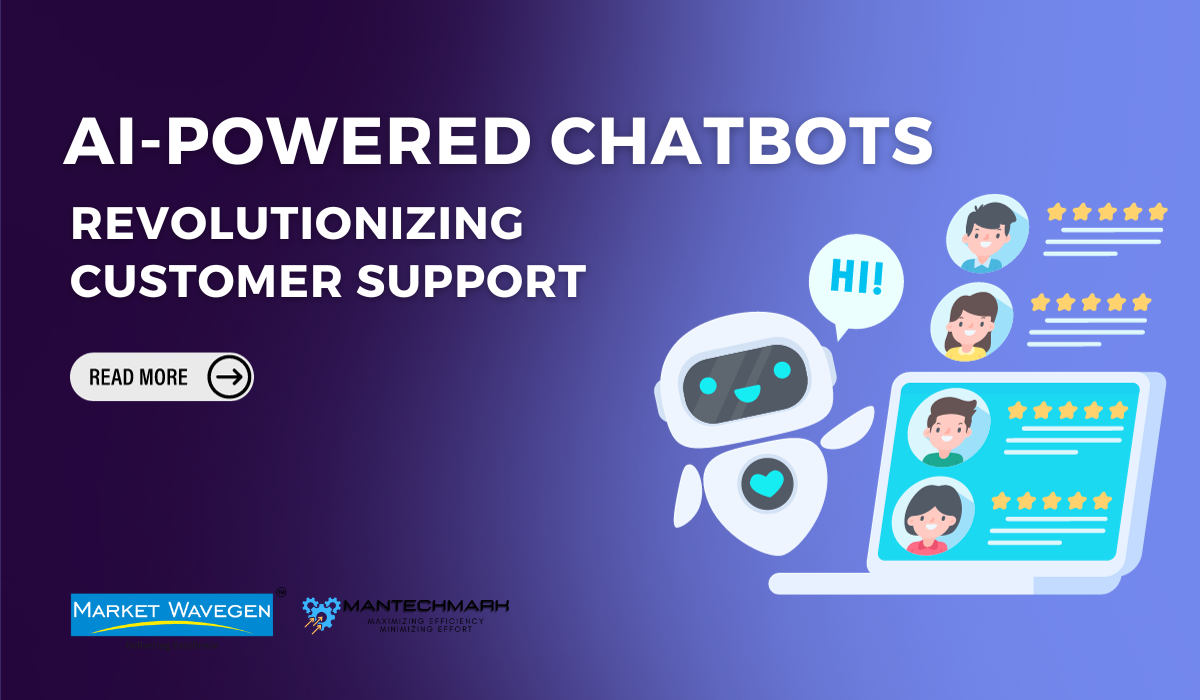
    AI-Chatbots: In today’s fast-paced digital world, businesses are constantly seeking innovative solutions to enhance customer service and streamline their operations. One of the most transformative technologies in this regard is AI-powered chatbots. These intelligent conversational agents have taken customer support to new heights, offering unprecedented levels of efficiency and personalization. In this article, we’ll explore how AI-powered chatbots are revolutionizing customer support and why they have become a game-changer for companies across various industries. 

    Table of Contents: 

    • Introduction 
    • The Rise of AI-Powered Chatbots 
    • Benefits of AI-Powered Chatbots 
    • Real-World Applications 
    • SEO-Friendly Practices 
    • Conclusion 

    The Evolution of Customer Support 

    Traditionally, customer support has been a labor-intensive process, often requiring large teams of agents to address customer inquiries and issues. However, this model has its limitations. Agents are prone to fatigue, human error, and the inability to provide round-the-clock assistance. This is where AI-powered chatbots come into play. 

    The Rise of AI-Powered Chatbots 

    AI chatbots are designed to interact with customers just like a human would. They use natural language processing (NLP) and machine learning algorithms to understand and respond to customer queries in real-time. These chatbots have the ability to handle a wide range of tasks, from answering frequently asked questions to providing product recommendations, tracking orders, and even troubleshooting technical problems. 

    Benefits of AI-Powered Chatbots in Customer Support 

    1. 24/7 Availability 

    AI-Chatbots are available 24/7, ensuring that customers can get assistance at any time, day or night. This round-the-clock availability is a game-changer for businesses with a global customer base, as it helps maintain customer satisfaction and prevent potential issues from escalating. 

    2. Instant Responses: Chatbots can provide instant responses to customer inquiries. This not only improves the overall customer experience but also reduces response times, which is critical in today’s fast-paced world. Customers no longer need to wait in lengthy queues or for email responses. 

    3. Cost Savings: By automating routine customer support tasks, businesses can significantly reduce their operational costs. AI-powered chatbots can handle a large volume of inquiries simultaneously, allowing companies to allocate their human agents to more complex and high-value tasks. 

    4. Scalability: Chatbots can scale effortlessly to accommodate increased customer demand without adding more human agents. This flexibility is crucial for businesses experiencing rapid growth or seasonal fluctuations. 

    5. Personalization: Thanks to advanced AI algorithms, chatbots can personalize interactions with customers. They can analyze data from previous interactions to offer tailored recommendations and solutions, enhancing the customer experience and building brand loyalty. 

    Real-World Applications 

    AI-powered chatbots have found their way into a wide range of industries, each benefiting from their unique capabilities. 

    1. E-commerce: In the world of online shopping, chatbots can assist customers in finding products, provide information on discounts and promotions, and guide them through the checkout process. They can also track orders and handle return requests, making the shopping experience smoother and more efficient. 

    2. Healthcare: Healthcare organizations use chatbots for appointment scheduling, medication reminders, and answering medical queries. These chatbots ensure that patients receive the information and support they need promptly. 

    3. Banking and Finance: Financial institutions leverage chatbots for customer inquiries, account balance checks, fund transfers, and fraud detection. This not only improves customer satisfaction but also enhances security measures. 

    4. Travel and Hospitality: In the travel and hospitality sector, chatbots assist with booking flights, hotels, and rental cars. They can also provide information on travel restrictions and assist with itinerary changes, improving the overall customer experience. 

    SEO-Friendly Practices 

    To ensure your AI-powered chatbot blog post is SEO-friendly, consider the following strategies: 

    1. Keyword Research: Identify relevant keywords and phrases related to AI chatbots, customer support, and industry-specific applications. Incorporate these keywords naturally throughout your article, including in headings, subheadings, and the body of the text. 

    2. Quality Content: Produce high-quality, informative content that addresses the needs and interests of your target audience. Engaging and valuable content is more likely to rank well in search engine results. 

    3. Use Structured Data: Structured data, such as schema markup, can help search engines better understand the content of your article. This can improve the chances of your article appearing as a featured snippet in search results. 

     4. Internal and External Links : Include relevant internal and external links in your article. This not only provides additional value to your readers but also helps with SEO. Internal links can guide readers to other related articles on your website, while external links can connect to authoritative sources. 

    5. Mobile Optimization: Ensure that your website and content are optimized for mobile devices, as mobile friendliness is a significant factor in search engine rankings. 

    6. Meta Tags: Craft compelling meta titles and descriptions that include your target keywords. These tags are displayed in search results and can influence click-through rates. 

    7. Visual Content: Incorporate images, infographics, and videos to make your article more engaging. Use descriptive alt text for images to improve accessibility and SEO. 

    Conclusion 

    AI-powered chatbots have undeniably revolutionized customer support across various industries. Their 24/7 availability, instant responses, cost savings, scalability, and personalization capabilities make them a powerful tool for businesses looking to enhance the customer experience while reducing operational costs. By leveraging AI chatbots, companies can stay competitive in a world where customer service plays a pivotal role in success. As technology continues to advance, we can only expect chatbots to become even more.

  • Revolutionize B2B Conversions the Power of Strategic Interest Identification

    Revolutionize B2B Conversions the Power of Strategic Interest Identification

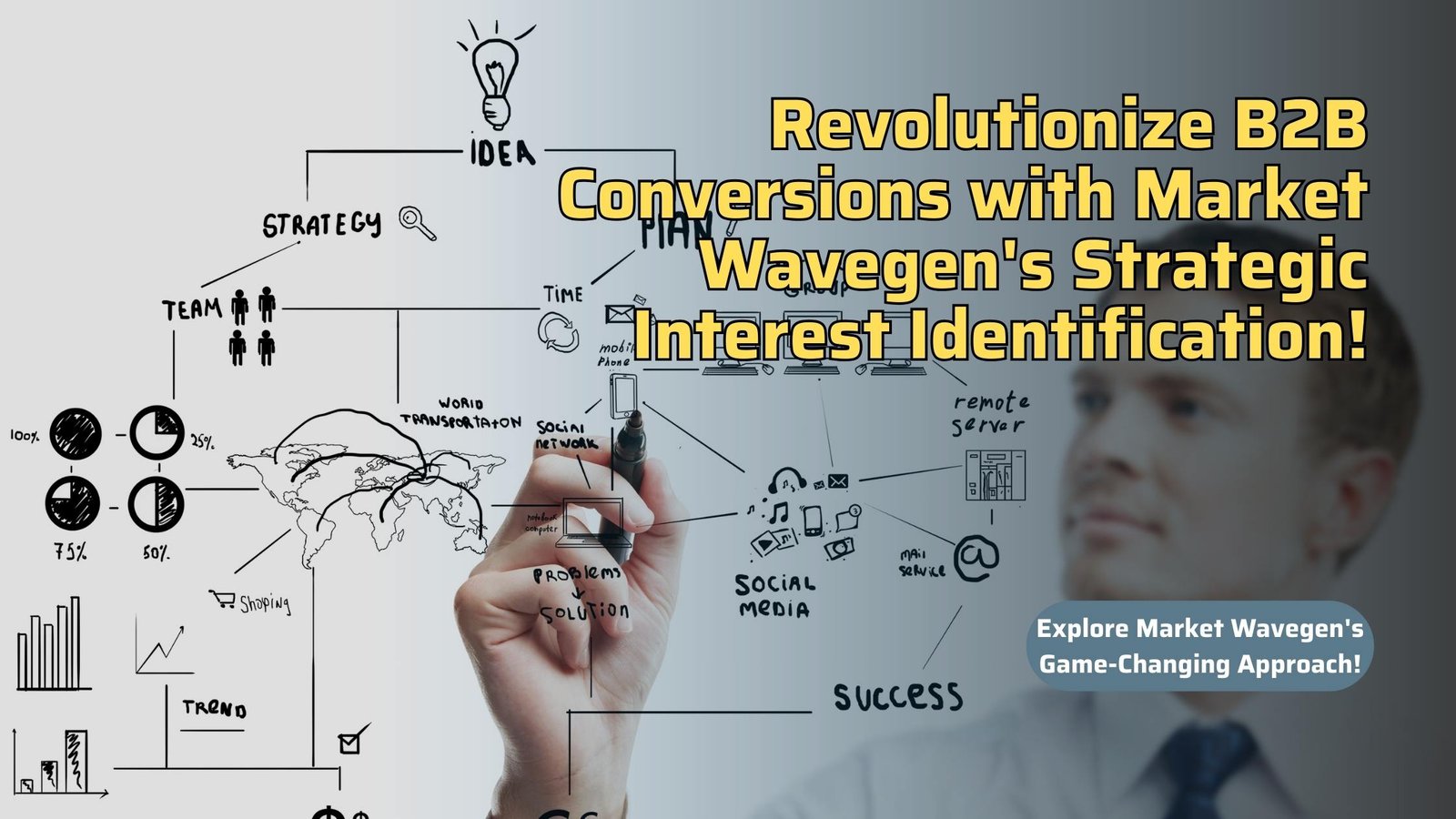
    In the ever-evolving realm of B2B marketing, the journey from Marketing Qualified Leads (MQLs) to Sales Qualified Leads (SQLs) can be a treacherous path. Marketers grapple with challenges and uncertainties at every turn. However, fear not, for there’s a beacon of hope on the horizon – Market Wavegen. Market Wavegen stands as a game-changing force in the world of B2B marketing, armed with cutting-edge strategies driven by Intelligent Database Account-Based Marketing (ABM) and Strategic Interest Reversal Sales (SIRS) powered by ManTechMark. Join us on this exhilarating expedition as we unveil the secrets behind Market Wavegen’s groundbreaking approach.

    The Conversion Puzzle MQL to SQL

    Before we delve into the revolutionary power of Market Wavegen, let’s take a moment to understand the complexities of converting MQLs to SQLs.

    What are MQLs and SQLs?

    MQLs, or Marketing Qualified Leads, are prospects who have shown interest in your products or services but have not yet been deemed ready for a direct sales pitch. On the other hand, SQLs, or Sales Qualified Leads, are the prospects who have passed the threshold and are now considered ready for a more personalized approach.

    The Challenges of Conversion

    Converting MQLs into SQLs is no walk in the park. Marketers often face the uphill battle of identifying genuine interest and separating the wheat from the chaff. This process can be a resource-intensive, time-consuming struggle, with no guarantee of success.

    The Need for Market Wavegen

    Market Wavegen steps onto the scene as a solution to this perennial problem. With its Intelligent Database ABM and Strategic Interest Reversal Sales powered by ManTechMark, it breathes new life into the process, offering a calculated, efficient approach to lead conversion.

    Market Wavegen Unveiled

    Now that we’ve scratched the surface of this remarkable solution, let’s dive deeper into what makes Market Wavegen the hero B2B marketing needs.

    Revolutionary Tool ManTechMark

    Market Wavegen isn’t just another marketing tool; it’s a game-changer. This revolutionary platform leverages ManTechMark to bring order to the chaos of lead conversion.

    Strategic Interest Identification

    At the heart of Market Wavegen’s prowess lies its ability to identify and harness strategic interests. It takes a thoughtful, customer-centric approach to sales, moving away from traditional methods.

    Unique Features and Benefits

    Market Wavegen’s arsenal is packed with unique features and benefits that simplify the conversion process, from identifying the right leads to ensuring your efforts align perfectly with customer interests.

    How Market Wavegen Reverses Sales

    Market Wavegen doesn’t just talk the talk; it walks the walk. Let’s explore how this transformative tool redefines the art of selling.

    A Helping Hand for Sales Teams

    Sales teams often find themselves navigating choppy waters when it comes to lead conversion. Market Wavegen provides them with a sturdy lifeboat, helping them reach prospects with precisely what they need.

    Real-World Success Stories

    The proof, as they say, is in the pudding. Market Wavegen has delivered remarkable results for businesses across various industries. Real-world examples illuminate the path to success.

    Impact on the Bottom Line

    At the end of the day, what really matters is the impact on your bottom line. Market Wavegen’s approach not only improves lead conversion but also ensures a healthier, more sustainable business.

    Strategic Interest Identification in Action

    Now that we’ve seen the big picture, let’s zoom in and take a closer look at how to put Market Wavegen into action.

    Walking Through the Steps

    Market Wavegen’s process is systematic and easy to follow. We’ll walk you through each step, ensuring you’re ready to dive in with confidence.

    Tips and Best Practices

    Like any tool, Market Wavegen benefits from a touch of finesse. We’ll share some insider tips and best practices to help you get the most out of it.

    Results It Delivers

    The rubber meets the road when we talk about results. Market Wavegen isn’t just a fancy concept; it’s a tangible solution that delivers real, measurable outcomes.

    Transforming Marketing with Data-Driven Insights: A Success Story

    In a world where businesses are constantly striving to stand out in the competitive market and reach their target audience, traditional marketing strategies often fall short, leaving them in search of innovative solutions. Our success story, working with someone responsible for lead/demand generation at A10, a leading player in application delivery controllers, showcases the transformative power of data-driven marketing. Are you ready to supercharge your marketing efforts and drive revenue growth?

    Problem Statement and User Journey Map

    Problem Statement 1: Many businesses struggle with a lack of accurate insights into their target audience, resulting in ineffective marketing campaigns and disappointing conversion rates.

    Problem Statement 2: Sales and marketing teams face challenges in tracking individual engagement and monitoring the effectiveness of their outreach efforts.

    User Journey Map:

    1. Our journey began when our partner at A10, someone responsible for lead/demand generation, received a sample of five accounts with F5 renewal dates from Market Wavegen, demonstrating the power of data-driven marketing.

    2. Recognizing the potential, our partner requested a sample of enterprises in the SF Bay area renewing in February or March.

    3. We immediately acknowledged the request and provided precise data, including enterprises in the SF Bay area with renewal dates in February or March.

    4. Equipped with this specific information, our partner incorporated the data into A10’s marketing strategy, resulting in targeted outreach to the identified accounts.

    5. The targeted campaigns based on renewal dates led to increased lead generation and higher conversion rates for A10.

    6. Our partner witnessed the positive impact of Market Wavegen’s data-driven marketing solution on revenue growth and recognized its potential for future marketing initiatives.

    Impact and Lessons Learned

    Market Wavegen’s data-driven marketing solution left a profound impact on our partner responsible for lead/demand generation at A10. By providing sample accounts and insights, we gained their trust and confidence.

    The impact goes beyond one user request, demonstrating the value of providing timely and specific data for targeted marketing campaigns. By addressing the user’s needs, Market Wavegen helps businesses optimize their marketing efforts, increase lead generation, and improve conversion rates.

    Through this positive user experience, Market Wavegen solidifies its position as a trusted provider of data-driven marketing solutions. The impact extends to other potential customers who witness the effectiveness of our approach and may consider leveraging our services to drive their own revenue growth.

    The impact of Market Wavegen’s data-driven marketing solution is evident in:

    • Remarkable success achieved by adopting a data-driven marketing approach.
    • Increased lead generation and improved conversion rates through accurate insights and personalized campaigns.
    • Revenue growth is driven by targeting in-market accounts with highly relevant messages.
    • Businesses of all sizes and industries benefit from tailored data-driven marketing solutions.

    Lessons Learned:

    • User feedback and specific requests are crucial in tailoring the solution to meet unique requirements.
    • Providing accurate and targeted data enhances the value and effectiveness of the solution.
    • Timely response and delivery of requested information build trust and credibility with users.
    • Understanding the user’s industry-specific needs helps tailor the solution for optimal results.
    • User testimonials and real-world examples serve as powerful demonstrations of the solution’s capabilities and effectiveness.

    SEO Keywords Integration

    We’re not just about words; we’re about optimizing your online presence. Our content naturally integrates essential SEO keywords, ensuring that your journey to discover Market Wavegen is as seamless as the tool itself.

    In a world where B2B marketing can feel like navigating uncharted waters, Market Wavegen is your North Star. As we wrap up this journey, let’s recap what we’ve learned.

    Key Takeaways

    • Market Wavegen is a game-changer in B2B marketing.
    • Converting MQLs to SQLs is a complex process, and Market Wavegen simplifies it.
    • Strategic Interest Reversal Sales powered by ManTechMark is at the core of Market Wavegen’s success.

    Explore Market Wavegen

    We encourage you to take the next step and explore Market Wavegen for yourself. Don’t miss out on the opportunity to revolutionize your B2B marketing efforts.

    Email Newsletter and Social Media

    Stay connected with us by subscribing to our email newsletter and following us on social media. Be the first to know about the latest trends and insights in the B2B marketing world.

    FAQs

    Q1: Is Market Wavegen suitable for businesses of all sizes?

    A1: Yes, Market Wavegen is a versatile solution that can be tailored to fit the needs of businesses, whether they’re small startups or large enterprises. Its flexibility is one of its standout features.

    Q2: How long does it typically take to see results with Market Wavegen?

    A2: The time it takes to see results can vary depending on factors like your industry, the quality of your data, and the depth of your engagement. However, many businesses report seeing significant improvements in lead conversion within a few months of implementing Market Wavegen.

    Q3: What sets Market Wavegen apart from other B2B marketing solutions?

    A3: Market Wavegen’s unique selling point is its focus on Strategic Interest Reversal Sales powered by ManTechMark. While traditional methods prioritize products and services, Market Wavegen starts with understanding the customer’s interests, resulting in a more customer-centric approach to B2B marketing. This sets it apart from the competition.

    Now, you’re ready to embark on your journey with Market Wavegen, armed with the knowledge of how it can revolutionize B2B Conversions

  • Unlocking Business Success with Market Wavegen’s Market Research Insights

    Unlocking Business Success with Market Wavegen’s Market Research Insights

    Explore the power of market research insights from Market Wavegen and learn how they can propel your business forward in today’s competitive business landscape. Dive into this comprehensive blog and FAQs to make informed decisions and maximize your business’s potential.

    Unlocking Business Success with Market Wavegen’s Market Research Insights

    In the ever-evolving landscape of modern business, making informed decisions is crucial to success. Market research plays a pivotal role in providing the necessary data and insights to help businesses navigate the complexities of their respective industries. In this comprehensive blog, we will delve deep into the realm of market research insights, specifically those offered by Market Wavegen. Discover how these insights can give your business a competitive edge, and help you make data-driven decisions that lead to growth and profitability.

    The Potent Influence of Market Research in Today’s Business Environment

    Market research is the compass that helps organizations navigate through the vast sea of information. It provides a clear understanding of market dynamics, consumer behaviour, and industry trends. Market Wavegen’s market research insights offer a comprehensive view of your market, giving you a competitive advantage. In this section, we will explore how these insights can empower your business by helping you make well-informed decisions based on data.

    Discovering Lucrative Opportunities Hidden in Plain Sight

    One of the most valuable aspects of market research is its ability to uncover hidden opportunities. Market Wavegen’s data goes beyond statistics, revealing untapped potential within your industry. We will discuss how Market Wavegen’s insights can help you identify opportunities you might have overlooked, giving your business a distinct advantage.

    The Craft of Data Interpretation

    Interpreting market research data is a skill that combines scientific rigor and a deep understanding of your industry. Market Wavegen’s data is rich and varied, and in this section, we will guide you through the process of extracting meaningful insights from this data. You’ll learn how to turn raw data into actionable strategies.

    Remaining Aligned with Current Market Trends

    Staying current with market trends is vital for any business. Market Wavegen’s insights can keep you up to date with the latest market developments, giving you a significant edge over competitors who are slower to adapt. We will discuss strategies to ensure your business remains at the forefront of industry changes.

    An In-Depth Understanding of Your Target Audience

    Understanding your target audience is a fundamental aspect of successful marketing. Market Wavegen’s data provides a detailed view of consumer behaviour and preferences. In this section, we will show you how to leverage this data to gain a deeper understanding of your audience, allowing you to tailor your marketing strategies effectively.

    The Imperative of Data-Driven Decision-Making

    In a world driven by data, businesses that make data-driven decisions have a clear advantage. Market Wavegen’s insights can be the foundation for your decision-making process. We will explore the role of data in guiding strategic choices and how to implement a data-driven culture within your organization.

    Navigating the Digital Terrain

    The digital landscape is ever evolving. Market Wavegen can be your guide in this dynamic environment. We will discuss how their insights can help your business adapt to emerging technologies and platforms, ensuring your digital presence remains strong and relevant.

    The Synergy of SEO Keywords and Market Wavegen

    To maximize your online visibility, it’s essential to integrate SEO keywords effectively. This section will detail the seamless integration of SEO keywords with the market insights from Market Wavegen. Learn how to enhance your online presence and reach your target audience more efficiently.

    In conclusion, market research is the compass that guides businesses through the complexities of today’s market. With Market Wavegen’s insights, you gain a competitive advantage, make informed decisions, and position your business for success. In an information-driven world, don’t just survive – thrive with the invaluable knowledge that Market Wavegen provides.

    FAQs

    Q1: What is Market Wavegen and what do they offer?

    Market Wavegen is a leading provider of market research insights, specializing in comprehensive data and analysis. We empower businesses through data-driven marketing solutions that yield meaningful results. Our core values of integrity, innovation, and customer-centricity underpin our commitment to fostering trust-based relationships and delivering tangible outcomes. Our diverse team of skilled professionals shares the common goal of ensuring your success. What sets Market Wavegen apart is our unwavering dedication to tailoring solutions to your unique needs, guaranteeing remarkable and substantial results.

    Q2: How can Market Wavegen’s insights benefit my business?

    Market Wavegen’s insights can benefit your business by providing a deep understanding of your market, helping you identify hidden opportunities, staying up to date with industry trends, and making data-driven decisions. These insights are invaluable for strategic planning and growth.

    Q3: Are Market Wavegen’s insights suitable for businesses of all sizes?

    Yes, Market Wavegen’s insights are valuable for businesses of all sizes. Whether you’re a small startup or a large corporation, their data can be tailored to your specific needs, providing actionable insights for your business.

    Q4: Can Market Wavegen’s insights be used for digital marketing and SEO strategies?

    Absolutely. Market Wavegen’s insights can be seamlessly integrated into your digital marketing and SEO strategies. Understanding market trends and audience preferences is essential for effective online marketing, and Market Wavegen’s data can be a powerful tool in this regard.

    Q5: How can I get started with Market Wavegen’s market research insights?                                                                                                                                       

    To get started with Market Wavegen, you can contact their sales team or visit their website. They will provide you with information on available data packages and pricing options tailored to your business’s needs.