Blog

  • The Art of Selling with Customer Interests First

    The Art of Selling with Customer Interests First

    In the fast-paced world of marketing and technology, one principle stands tall and unwavering – ‘Selling with Customer Interests First.’ It’s not just a strategy; it’s an art, a philosophy, and a commitment to putting the customer at the heart of every business decision. In this article, we will delve deep into this art and explore how it can revolutionize the way marketers and technology professionals approach their work.

    In a world where customers have more choices than ever, selling isn’t just about pushing products; it’s about creating lasting relationships. This is where ‘Selling with Customer Interests First’ coming into play. It’s a mantra that goes beyond buzzwords and empty promises; it’s a fundamental shift in how businesses operate.

    So, what exactly is the art of selling with customer interests at the forefront? How can marketers and technology professionals leverage this approach for success? Let’s explore.

    Understanding Customer-Centric Selling

    To truly put customer interests first, you must understand what this concept entails. It’s not just about saying you care – it’s about actually caring. It’s about shifting the focus from the product or service to the customer’s needs, desires, and challenges. The goal is not just to make a sale but to make a meaningful connection.

    The Customer Persona Your North Star

    Imagine you’re navigating a ship through uncharted waters. Your compass, your guiding light, is the customer persona. This detailed representation of your ideal customer is crucial for understanding their pain points, preferences, and behaviour’s. With this persona in mind, you can tailor your marketing and sales efforts to speak directly to their needs.

    Personalization at Its Best

    One size fit none. Customers today expect a personalized experience, and that’s where technology can shine. Harnessing the power of data and AI, you can offer tailored product recommendations, personalized emails, and content that resonates with everyone. The more personalized the experience, the more likely you are to win the customer’s trust.

    Building Trust and Credibility

    Trust is the currency of the digital age. Building trust and credibility takes time and consistent effort. It’s not just about delivering a great product; it’s about delivering on promises, being transparent, and addressing issues with empathy. Trust is the foundation on which long-lasting customer relationships are built.

    Aligning Sales and Customer Success

    Your sales and customer success teams should be in sync. A sale is just the beginning of the customer journey. The post-purchase experience is equally important. Ensuring that customers receive exceptional support and ongoing value will not only retain them but turn them into advocates for your brand.

    Technology as an Enabler

    Technology is not a replacement for human interaction; it’s an enabler. With the right tech tools, you can automate repetitive tasks, gather valuable data, and streamline processes. This allows your team to focus on what truly matters – building relationships with customers.

    The Art of Active Listening

    Have you ever had a conversation where you felt like the other person wasn’t really listening? In customer-centric selling, active listening is a superpower. It means not just hearing your customer but truly understanding their needs and concerns. Ask questions, empathize, and respond thoughtfully.

    Nurturing Long-Term Relationships

    A one-time sale is great, but a lifelong customer is even better. Nurturing long-term relationships involves keeping in touch, seeking feedback, and offering ongoing value. Loyalty programs, exclusive offers, and excellent customer service all play a crucial role in this endeavour.

    Measuring Success with Customer-Centric Metrics

    You can’t improve what you don’t measure. To assess the effectiveness of your customer-centric approach, you need the right metrics. This includes customer satisfaction scores, Net Promoter Score (NPS), and customer lifetime value (CLV). These metrics provide invaluable insights into the health of your customer relationships.

    Staying Agile and Adaptable

    The business landscape is ever evolving. What works today might not work tomorrow. To succeed with customer-centric selling, you need to be agile and adaptable. Stay open to feedback, keep an eye on market trends, and be ready to pivot your strategy when necessary.

    The Pitfalls to Avoid

    As with any strategy, there are pitfalls to avoid. Common missteps include over-automation, neglecting customer feedback, and losing sight of your core values. Keep these in mind as you embark on your customer-centric journey.

    A Case Study Customer-Centric Success

    The proof is in the pudding. Let’s examine a real-world case study of a company that embraced customer-centric selling and reaped the rewards. By learning from their experience, you can gain insights and inspiration for your own journey.

    Introduction:

    In this case study, we will examine a company, which, for confidentiality reasons, we will refer to as “Tech Innovations Inc.” This technology product company has undergone a remarkable transformation towards customer-centricity. We’ll explore their journey and the tangible results they achieved without revealing their identity.

    Company Background:

    “Tech Innovations Inc.” is a prominent player in the technology sector, specializing in advanced software and hardware solutions. Their diverse range of products and services caters to a global clientele, including both businesses and consumers.

    The Challenge:

    Like many companies in the technology industry, “Tech Innovations Inc.” initially concentrated primarily on product innovation. While they possessed a strong portfolio of cutting-edge products, they faced challenges related to customer engagement and loyalty. Customer retention rates were average, and they were encountering increased competition from newer entrants.

    The Transformation:

    Recognizing the necessity of a shift towards a customer-centric approach, “Tech Innovations Inc.” decided to make a substantial change to their business model, putting the customer at the forefront of their strategy.

    Key Initiatives:

    1. Customer Segmentation: The company began by segmenting their customer base, recognizing specific needs and preferences within each segment. This allowed for the tailoring of products and services to meet individual customer requirements effectively.

    2. Data-Driven Decision Making: “Tech Innovations Inc.” invested in advanced data analytics tools to gather and analyse customer data. This data-driven approach provided valuable insights into customer behaviour, enabling the company to make informed decisions.

    3. Enhanced Customer Support: The company revamped its customer support division, offering improved accessibility and responsiveness. This included the introduction of 24/7 customer support and the incorporation of various communication channels.

    4. Personalized Experiences: A focus was placed on creating personalized experiences for customers, offering tailored product recommendations and exclusive deals based on past interactions and preferences.

    5. Feedback Loops: “Tech Innovations Inc.” actively sought feedback from their customers and incorporated their suggestions into product development, creating an effective feedback loop that led to more customer-driven innovations.

    6. Transparency and Trust: The company prioritized transparency in their operations, including pricing and product information. This helped to build trust among their customers.

    The Results:

    The implementation of these customer-centric initiatives led to significant improvements for “Tech Innovations Inc.”

    1. Customer Retention: Customer retention rates increased by 30% within the first year, resulting in reduced customer churn and improved long-term revenue.

    2. Increased Sales: Sales revenue saw a substantial increase of 20% as personalized recommendations and exclusive deals led to higher average order values.

    3. Improved Customer Satisfaction: Customer satisfaction scores experienced a noticeable improvement, with customers expressing their appreciation for the company’s enhanced support and personalized approach.

    4. Competitive Edge: “Tech Innovations Inc.” gained a competitive edge in the market as their customer-centric approach set them apart from other tech companies.

    Conclusion:

    The transformation of “Tech Innovations Inc.” from a product-centric to a customer-centric business model illustrates the substantial positive impact such an approach can have. By segmenting customers, utilizing data-driven insights, enhancing customer support, offering personalized experiences, and fostering transparency, they achieved higher customer retention, increased sales, and improved customer satisfaction.

    The Future of Selling Where Customer Interests Lead

    The future of selling is undoubtedly customer centric. It’s a path paved with empathy, personalization, and genuine care for your customers. As technology continues to advance, opportunities to enhance the customer experience will only grow. Are you ready for the journey ahead?

    In conclusion, ‘Selling with Customer Interests First’ is not just a strategy – it’s a fundamental shift in how businesses operate. It’s a commitment to putting the customer at the heart of every decision. By understanding the customer persona, personalizing experiences, and building trust, you can create long-lasting relationships that drive success.

    As a marketer or technology professional, embracing this customer-centric approach is not just a smart move; it’s a necessity in today’s competitive landscape. It’s an art that, when mastered, can lead your business to new heights of success.

    Frequently Asked Questions

    1. What is customer-centric selling?

    Customer-centric selling is a business approach that prioritizes the customer’s needs and interests over everything else. It involves understanding the customer, personalizing the sales process, building trust, and nurturing long-term relationships.

    2. Why is building trust important in customer-centric selling?

    Trust is crucial because it forms the foundation of lasting customer relationships. Customers are more likely to buy from and stay loyal to a business they trust. Trust is built through transparency, consistent delivery, and empathy.

    3. How can technology help in customer-centric selling?

    Technology enables customer-centric selling by providing tools for personalization, data analysis, and automation. It streamlines processes, allowing sales and marketing teams to focus on building relationships.

    4. What are some common pitfalls to avoid in customer-centric selling?

    Common pitfalls include over-automation, neglecting customer feedback, and losing sight of core values. Over-automation can make the process feel impersonal, neglecting feedback can lead to missed opportunities for improvement, and losing sight of values can erode trust.

    5. What does the future of selling look like?

    The future of selling is customer centric. It involves even more personalized experiences, advanced use of technology, and a deep commitment to understanding and meeting customer needs. The customer will continue to be at the forefront of business strategies.

  • Build a Bridge to Marketing Excellence with Intelligent Database ABM

    Build a Bridge to Marketing Excellence with Intelligent Database ABM

    In today’s ever-evolving digital landscape, businesses face an ongoing challenge: how to effectively reach and engage their target audience in the B2B sector. The answer to this challenge lies in a powerful strategy known as Account-Based Marketing (ABM). In this article, we will explore how ABM can be your bridge to marketing excellence and how integrating an Intelligent Database into your ABM strategy can supercharge your efforts.

    Now, let’s delve into these topics in detail and discover how ABM, combined with Intelligent Databases, can elevate your B2B marketing endeavours.

    Understanding Account-Based Marketing

    What is ABM, and why is it essential for B2B marketing?

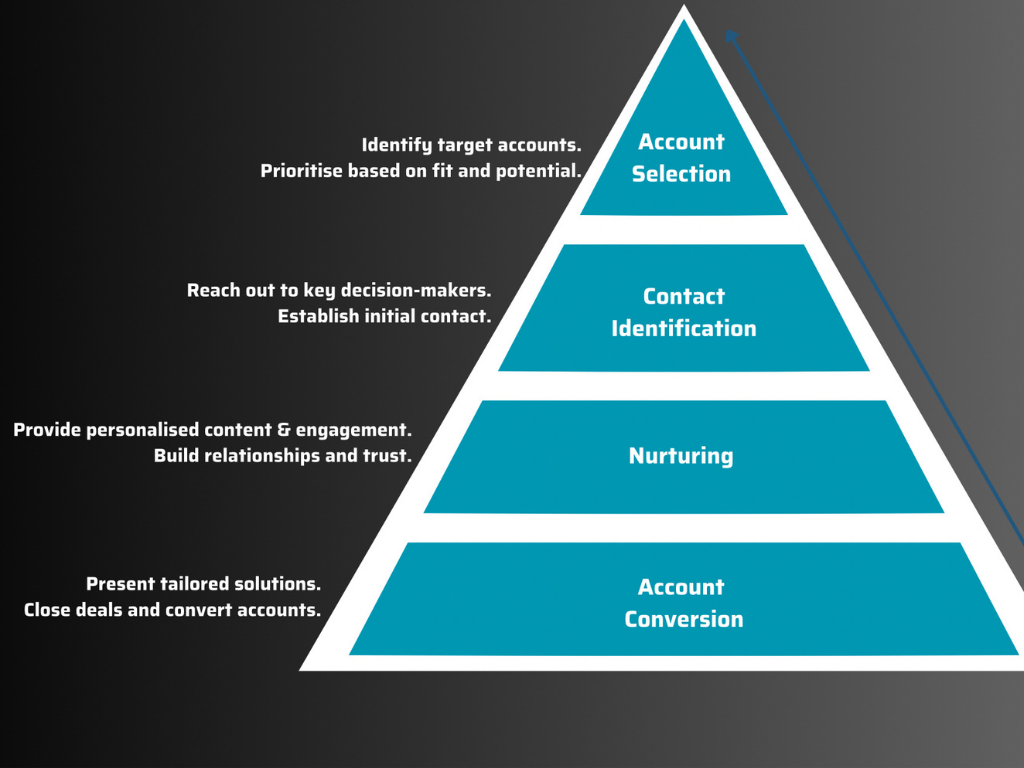
    Account-Based Marketing (ABM) is a strategic approach that focuses on targeting and engaging specific, high-value accounts rather than casting a wide net to attract any potential leads. In the B2B realm, where the sales cycle can be complex and lengthy, ABM proves to be a game-changer. It allows marketers to concentrate their resources and efforts on accounts that are most likely to convert into customers.

    How does ABM differ from traditional marketing approaches?

    In traditional marketing, the goal is to attract as many leads as possible and then qualify them. ABM, on the other hand, starts with identifying ideal customer profiles and tailoring marketing campaigns to meet the unique needs and preferences of those accounts. This personalized approach results in higher conversion rates and better ROI.

    The Power of Personalization in ABM

    Why personalization is the key to B2B marketing success.

    In the era of information overload, personalization is what sets your brand apart from the competition. B2B buyers are inundated with generic content and outreach. Personalization allows you to cut through the noise by delivering highly relevant and valuable content to your target accounts. It shows that you understand their pain points and can offer solutions.

    How to effectively personalize your ABM campaigns.

    Personalization goes beyond addressing your recipients by their first name in an email. It involves segmenting your target accounts based on their industry, size, pain points, and buying stage. Tailor your messaging, content, and offers to resonate with each segment. Personalized content and experiences not only engage your audience but also foster trust and credibility.

    The Role of Intelligent Databases in ABM

    What is an Intelligent Database, and why is it crucial for ABM?

    An Intelligent Database is a sophisticated system that stores and manages data while providing insights, predictions, and automation capabilities. In the context of ABM, an Intelligent Database becomes your treasure trove of information about target accounts. It consolidates data from various sources, enabling you to create a 360-degree view of your accounts.

    How does an Intelligent Database enhance ABM strategies?

    Intelligent Databases empower your ABM efforts by providing a wealth of actionable insights. They enable you to:

    Identify accounts with the highest propensity to convert.

    Predict buying behaviour and trigger personalized outreach.

    Automate routine tasks, freeing up your team for strategic activities.

    Measure the impact of your ABM campaigns with precision.

    In essence, Intelligent Databases serve as the backbone of your ABM strategy, ensuring that you have the right data and tools to drive results.

    Building Your Bridge to Marketing Excellence

    Steps to implementing ABM with an Intelligent Database.

    Identify Your Ideal Customer Profiles (ICPs): Begin by defining the characteristics of accounts that are most likely to benefit from your offerings. This involves analysing your current customer base and market research.

    Data Collection and Integration: Gather data from various sources, including CRM systems, marketing automation platforms, and external databases. An Intelligent Database can seamlessly integrate and centralize this data.

    Segmentation: Divide your target accounts into segments based on factors such as industry, company size, and buying stage. This segmentation will guide your personalized marketing efforts.

    Content Creation: Develop content that speaks directly to the pain points and needs of each segment. This may include whitepapers, case studies, webinars, and more.

    Personalized Outreach: Use the insights from your Intelligent Database to craft tailored messages and offers for each account. This could involve email marketing, social media, or even personalized direct mail.

    Multi-Channel Engagement: Implement a multi-channel approach to reach your target accounts where they are most active. This ensures that your message doesn’t get lost in the noise.

    Measure and Optimize: Continuously monitor the performance of your ABM campaigns using the data from your Intelligent Database. Adjust your strategies based on what’s working and what’s not.

    Real-world examples of successful ABM campaigns.

    To illustrate the effectiveness of ABM with Intelligent Databases, let’s look at a couple of real-world scenarios:

    Case Study: A Mid-Sized Technology Product Company

    In this illuminating case study, we unveil the remarkable transformation of a mid-sized technology product company as they harnessed the potential of Market Wavegen’s Intelligent Database for an ABM campaign. Dive into the details:

    Challenge:

    Our client, a mid-sized technology product company, faced the challenge of expanding their market presence and engaging effectively with their target accounts. They needed a data-driven solution to enhance their ABM efforts.

    Solution:

    Precise Targeting: Leveraging Market Wavegen’s Intelligent Database, our client identified and categorized their ideal target accounts with exceptional precision, focusing their efforts where it mattered most. 

    Personalized Outreach: Armed with valuable insights from the database, they tailored their messaging and content to address the specific pain points and needs of each target account, creating a truly personalized experience. 

    Engagement and Conversions: By optimizing their ABM strategy based on Intelligent Database insights, our client witnessed a substantial increase in engagement rates, leading to a significant boost in conversions.

    Results:

    ROI Amplification: Our client achieved a remarkable ROI uplift as they directed their resources more effectively toward the most promising accounts.

    Competitive Advantage: By outperforming competitors in their outreach, our client gained a competitive edge in their market segment.

    Long-Term Success: The impact of Intelligent Database integration extended beyond the campaign, establishing a strong foundation for long-term customer relationships.

    These case studies demonstrate how ABM, when powered by Intelligent Databases, can yield impressive results and drive marketing excellence.

    Measuring the Impact of ABM with Intelligent Databases

    Key metrics to track the success of your ABM strategy.

    When it comes to measuring the impact of your ABM campaigns, several key metrics should be on your radar:

    Account Engagement: Monitor the level of interaction and engagement your target accounts have with your content and outreach efforts.

    Conversion Rates: Measure the percentage of target accounts that move through the sales funnel and ultimately convert into customers.

    Revenue Generated: Calculate the revenue directly attributed to your ABM efforts, including upsells and cross-sells to existing customers.

    Customer Lifetime Value (CLV): Assess the long-term value of customers acquired through ABM. ABM often leads to higher CLV due to its personalized nature.

    Return on Investment (ROI): Determine the return on investment for your ABM campaigns by comparing the costs incurred to the revenue generated.

    Tools for monitoring and analysing ABM performance.

    To effectively track these metrics, you can leverage a range of tools and platforms, including:

    Marketing Automation Software: Platforms like HubSpot, Marketo, and Pardot provide robust ABM tracking capabilities.

    Customer Relationship Management (CRM) Systems: Systems like Salesforce allow you to manage and analyse customer interactions.

    Data Analytics Tools: Tools like Google Analytics and Tableau help you gain insights into the effectiveness of your campaigns.

    Intelligent Databases: Your Intelligent Database is a central tool for data analysis and campaign optimization.

    By harnessing the power of these tools, you can gain a comprehensive view of your ABM performance and make data-driven decisions to enhance your marketing excellence.

    Challenges and Pitfalls to Avoid

    Common obstacles in ABM implementation.

    While ABM can be highly effective, it’s not without its challenges. Here are some common hurdles to be aware of:

    Lack of Data Quality: Inaccurate or incomplete data can hinder your ABM efforts. Regularly audit and clean your data to maintain its quality.

    Alignment with Sales Teams: ABM requires close collaboration between marketing and sales teams. Misalignment can lead to missed opportunities.

    Content Personalization Scale: Scaling personalized content for multiple target accounts can be resource intensive. Efficient content creation and distribution are essential.

    Overlooking Mid-Funnel Engagement: ABM sometimes focuses heavily on the top and bottom of the funnel, neglecting mid-funnel engagement. It’s crucial to nurture leads throughout the entire journey.

    Tips for overcoming challenges and achieving marketing excellence.

    To navigate these challenges successfully, consider the following strategies:

    Invest in Data Quality: Prioritize data hygiene and invest in data enrichment tools to maintain accurate and up-to-date information.

    Sales-Marketing Alignment: Foster strong communication and collaboration between your sales and marketing teams. Define shared goals and metrics.

    Content Automation: Use marketing automation tools to streamline content personalization and delivery.

    Holistic Funnel Approach: Ensure that your ABM strategy covers all stages of the buyer’s journey, from awareness to advocacy.

    Future Trends in ABM and Intelligent Databases

    How ABM and Intelligent Databases are evolving.

    The landscape of B2B marketing is constantly evolving, and ABM and Intelligent Databases are no exception. Here are some future trends to watch out for:

    AI and Machine Learning Integration: AI-powered tools will become more integrated into Intelligent Databases, providing predictive analytics and automation.

    Hyper-Personalization: ABM will continue to move toward hyper-personalization, where every piece of content and communication is tailored to the individual.

    ABM for Mid-Market and SMBs: ABM strategies will become more accessible to mid-market and small-to-medium-sized businesses as technology evolves and becomes more affordable.

    Data Privacy and Compliance: As regulations like GDPR and CCPA evolve, data privacy and compliance will remain critical in ABM and database management.

    In conclusion, ABM, when combined with the capabilities of an Intelligent Database, serves as the bridge to marketing excellence in the B2B world. By focusing on personalized, targeted outreach to high-value accounts and harnessing the power of data-driven insights, businesses can achieve remarkable results and stay ahead in an ever-competitive marketplace.

    FAQs (Frequently Asked Questions)

    1. What are the core principles of ABM?

    ABM is based on the core principles of identifying high-value target accounts, personalizing marketing efforts for those accounts, and aligning marketing and sales teams to maximize revenue opportunities.

    2. Can small businesses benefit from ABM and Intelligent Databases?

    Absolutely. While ABM was initially associated with larger enterprises, technology advancements have made it more accessible to small businesses. Intelligent Databases can help small businesses efficiently manage their data and target the right accounts.

    3. How do you choose the right Intelligent Database for your ABM strategy?

    When selecting an Intelligent Database, consider factors such as data integration capabilities, predictive analytics features, scalability, and ease of use. It should align with your specific ABM needs and budget.

    4. Is ABM more effective than traditional lead generation methods?

    ABM is highly effective for targeting high-value accounts and achieving a higher conversion rate. However, its effectiveness depends on your target audience and marketing goals. It often complements traditional lead generation methods.

    5. What are the key differences between B2B and B2C ABM strategies?

    B2B ABM focuses on targeting organizations or accounts, while B2C ABM targets individual consumers. B2B ABM often involves longer sales cycles, higher deal values, and a more complex decision-making process within organizations. B2C ABM is more focused on personal preferences and behaviour.

  • Beyond Business Crafting Content that Resonates on a Human Level.

    Beyond Business Crafting Content that Resonates on a Human Level.

    In the fast-paced world of content creation and marketing, it’s easy to get caught up in the metrics, algorithms, and strategies. However, to truly connect with your audience, you need to go beyond the business facade and craft content that resonates on a deeply human level. In this article, we’ll explore the art of creating content that speaks to people’s hearts and minds.

    Understanding the Human Element

    In our digital age, where attention spans are shorter than ever, capturing and holding someone’s attention is a precious commodity. To achieve this, it’s crucial to infuse your content with the human element. Here’s how:

    Embrace Authenticity

    Authenticity is the cornerstone of creating content that resonates. Share your brand’s story, values, and beliefs in a genuine way. Be open about your successes and failures. People appreciate honesty and transparency, and it builds trust.

    Tell Compelling Stories

    Stories have been a powerful means of communication throughout human history. Craft narratives that evoke emotions, inspire, and relate to your audience’s experiences. Share stories of your customers, employees, or the journey of your brand.

    For instance, instead of simply listing product features, tell the story of how a customer’s life was transformed by using your product or service. Stories have the unique ability to create a deep connection with your audience.

    Address Real Pain Points

    Understand your audience’s pain points and challenges and address them directly in your content. Whether it’s providing solutions, offering guidance, or simply acknowledging their struggles, showing empathy can resonate deeply with your audience.

    Speak Their Language

    Avoid jargon and complex language. Speak to your audience in a way they can easily understand. Use relatable examples and metaphors to simplify complex concepts. Your content should feel like a conversation with a friend, not a lecture.

    Showcase Your Humanity

    Behind every brand, there are real people with real passions, interests, and values. Share glimpses of your team’s personality, hobbies, and community involvement. Humanize your brand by showcasing the people who make it tick.

    Encourage Engagement

    Engagement is a two-way street. Encourage your audience to share their thoughts, stories, and experiences. Respond to comments and messages promptly and genuinely. This creates a sense of community and belonging.

    Connect with Emotions

    People make decisions based on emotions and later justify them with logic. Tap into the emotional aspect of your audience’s decision-making process. Use visuals, anecdotes, and language that evoke feelings of joy, empathy, hope, or excitement.

    In the digital age, where information bombards us from all sides, creating content that resonates on a human level is an art form. It’s about more than just selling a product or service; it’s about connecting with people, building relationships, and leaving a lasting impression.

    Remember, the heart of your content strategy should be the genuine desire to add value to people’s lives. By embracing authenticity, storytelling, empathy, and human connection, you can create content that goes beyond business and truly touches the hearts and minds of your audience.

    Thank you for taking the time to explore the importance of the human element in content creation. May your content always resonate on a profoundly human level, fostering meaningful connections and enriching the lives of your audience.

  • Email Marketing Reimagined Personalization and Automation by Market Wavegen Marketing Solutions

    Email Marketing Reimagined Personalization and Automation by Market Wavegen Marketing Solutions

    In the dynamic landscape of modern marketing, staying ahead of the curve is essential. Enter Market Wavegen Marketing Solutions, a trailblazer in the realm of email marketing. With a focus on personalization and automation, Market Wavegen is reshaping the way businesses connect with their audience.

    Personalization Redefined

    In the not-so-distant past, personalization in email marketing meant addressing your recipient by their first name. While this remains a courteous touch, Market Wavegen takes personalization to a whole new level. We understand that true personalization goes beyond just using a name; it’s about knowing your audience intimately.

    Our advanced algorithms analyse a treasure trove of data, from past purchase behaviour to browsing history, to create a detailed profile of each subscriber. This means we don’t just send emails; we start conversations tailored to individual preferences, needs, and behaviours. It’s like having a personal shopper who knows your style, size, and favourite colours, and suggests items you’d love.

    Automation The Heartbeat of Efficiency

    Manual email campaigns are labour-intensive and often result in missed opportunities. Market Wavegen’s automation is the heartbeat of efficiency in email marketing. Imagine a system that monitors and responds to customer behaviour in real-time. That’s precisely what our automation does.

    When a subscriber interacts with your emails – be it clicking on a product link or abandoning a shopping cart – our system springs into action. It can send follow-up emails with related products, offer discounts to close a sale, or even send a friendly reminder about that abandoned cart. This level of responsiveness isn’t just efficient; it’s like having a team of marketers working around the clock.

    Predictive Analytics Navigating the Future

    Anticipating your customers’ needs is no longer guesswork. Market Wavegen harnesses the power of predictive analytics to chart your course in the digital marketing seas. Our AI analyses historical data to forecast future behaviour, allowing you to send emails at the perfect moment.

    Picture this: You run an e-commerce store, and your AI predicts that a customer is likely to make a purchase within the next 48 hours. Market Wavegen ensures that your promotional email offering a discount land in their inbox just in time. It’s akin to having a weather forecast for your marketing strategy – predicting storms and sunny days before they happen.

    Segmentation with Surgical Precision

    One-size-fits-all email blasts are relics of the past. Market Wavegen’s AI-driven segmentation ensures that your emails reach the right people at the right time. By considering factors such as past interactions, demographics, and purchase history, we create laser-focused segments.

    Think of it as a chef meticulously crafting a meal with each ingredient selected to perfection. Your email campaigns become precision tools, delivering content tailored to the unique tastes and preferences of each segment.

    AI-Enhanced Content Creation

    Content is king, and Market Wavegen’s AI knows how to wear the crown. Say goodbye to the days of struggling to find the perfect subject line or crafting engaging email copy. Our AI-powered content creation suggests subject lines that grab attention and generates email copy that resonates with your audience.

    It’s like having a professional wordsmith at your disposal 24/7, ensuring that every word in your email is carefully chosen to evoke the desired response from your subscribers.

    Market Wavegen’s Vision for Email Marketing

    Market Wavegen Marketing Solutions is reimagining email marketing through the lens of personalization and automation. We believe that every email should be a conversation, every interaction an opportunity, and every subscriber a valued member of your community.

    Our commitment to personalization, driven by cutting-edge AI and automation, means that your email marketing campaigns will not only be efficient but deeply engaging. The future of email marketing is here, and it’s powered by Market Wavegen.

    Ready to transform your email marketing strategy? Join us on the wave of innovation and experience the Market Wavegen difference.

    Contact us today to ride the wave of the future in email marketing.

    Contact Us

    Website Link

    Social Media Links

  • The Psychology of Colour in Marketing a Deep Dive.

    The Psychology of Colour in Marketing a Deep Dive.

    In the world of marketing, the choice of colours isn’t just a matter of aesthetics; it’s a strategic decision that can significantly impact consumer behaviour. Understanding the psychology of colour in marketing is like holding the key to unlock the minds of your potential customers. How do colours influence our perceptions, emotions, and ultimately, our buying decisions? Let’s embark on a colourful journey through the fascinating world of marketing psychology, where we’ll explore the intricate connections between colours and consumer behaviour.

    Introduction to the Psychology of Colour

    Let’s start with the basics. Why do marketers fuss so much about the colours they use? Well, it all boils down to the fact that colours have a profound impact on our brains. Think of colours as silent messengers that convey messages and evoke emotions without uttering a word. But how do they do it?

    The Power of First Impressions

    In the fast-paced world of marketing, first impressions matter—a lot. Colours are often the first thing people notice about a brand or product. The right colour choice can pique curiosity and draw customers in, while the wrong one might send them running for the hills.

    Imagine walking into a store with peeling paint and faded, dreary colours. Would you be excited to shop there? Probably not. Now picture a store with vibrant, welcoming colours. Your mood instantly lifts, and you’re more likely to explore what they have to offer.

    Colour Associations and Symbolism

    Colours come with a baggage of associations and symbolism. For instance, the colour red is often associated with passion, urgency, and love. That’s why you often see it in clearance sales or on Valentine’s Day cards. But what if it were used for a financial advisory firm’s logo? Not such a great fit, right?

    Understanding these colour meanings is crucial for marketers to ensure their messaging aligns with the intended emotions and perceptions.

    Colour Preferences Across Cultures

    Colours don’t carry the same meanings universally. What’s considered lucky or appealing in one culture might be seen as ominous or distasteful in another. Take the colour white, for example. In Western cultures, it’s often associated with purity and weddings, but in some Eastern cultures, it signifies mourning.

    Colour and Branding Building Identity

    Your brand’s identity is more than just a logo and a catchy tagline—it’s the emotions and perceptions people associate with your brand. Colour plays a monumental role in shaping this identity.

    Think of iconic brands like Coca-Cola and their use of red. The colour has become synonymous with the brand itself. When you see that distinctive shade of red, you immediately think of the refreshing soda. That’s the power of colour in branding.

    Using Colour to Evoke Emotions

    Emotions are at the heart of every consumer decision. Marketers use colours strategically to evoke specific emotions. Blue, for instance, is often associated with trust and reliability, making it a popular choice for financial institutions. On the flip side, orange is lively and energetic, making it perfect for companies promoting fun and adventure.

    Call to Action Encouraging User Interaction

    Colours can be persuasive. They can nudge your audience toward a desired action, whether it’s clicking a “Buy Now” button or signing up for a newsletter. The choice of colour for your call-to-action elements can make a significant difference in conversion rates.

    Imagine you’re on a website, and the “Subscribe” button is a dull grey. It blends into the background, hardly noticeable. Now, change it to a vibrant green or an attention-grabbing red, and suddenly, it demands your attention.

    Colour and Website Design

    Website design is a delicate art, and colours are the paintbrushes. They determine the overall look and feel of your site. Beyond aesthetics, they also influence user experience and navigation.

    When choosing colours for your website, consider the readability of text, the harmony of colour combinations, and the emotions you want to evoke in your visitors. A restaurant website, for instance, might use warm, inviting colours to make you crave their food.

    Colour in Product Packaging

    The supermarket aisle is a battleground for consumer attention. Amidst a sea of products, how does one package stand out from the rest? The answer often lies in colour.

    Product packaging colours can convey the essence of the product itself. Natural and earthy tones might befit organic products, while bold and vibrant colours can suggest energy drinks or children’s snacks.

    Measuring Colour’s Impact

    In the world of marketing, everything must be measurable. Marketers are constantly analysing data to understand the effectiveness of their strategies, and colour is no exception. Various tools and techniques are employed to measure colour’s impact on consumer behaviour.

    A/B testing is one such method.

    A/B Testing Experimenting with Colours

    A/B testing involves showing two different versions of a marketing element—like a webpage or an email—with only one variable changed: the colour. By analysing the performance of each version, marketers can gather valuable insights into which colour resonates better with their audience.

    Avoiding Colour Pitfalls

    While colours can be powerful allies in marketing, they can also be treacherous traps if not used wisely. Overloading a design with too many colours can confuse and overwhelm viewers. Clashing colours can be visually jarring and drive potential customers away.

    Maintaining consistency in colour usage across all marketing materials is key to establishing a strong brand identity.

    Conclusion Painting Success in Marketing

    In the colourful world of marketing, the psychology of colour is a tool that can’t be overlooked. It shapes perceptions, influences emotions, and drives consumer behaviour. From branding to website design and product packaging, colours are the silent influencers that guide us through our buying journey.

    As a marketer, mastering the art of colour psychology can be your ticket to painting success in an ever-competitive landscape.

    Frequently Asked Questions

    1. How do colours affect consumer behaviour in marketing?

    Colours can influence consumer behaviour by evoking emotions, creating associations, and impacting first impressions. For example, warm colours like red and orange can create a sense of urgency and excitement, while cool colours like blue and green can convey trust and reliability.

    2. Are the meanings of colours the same across all cultures?

    No, the meanings of colours can vary across cultures. For instance, while white symbolizes purity in Western cultures, it signifies mourning in some Eastern cultures. Marketers must consider cultural differences when using colours in international campaigns.

    3. How can I choose the right colours for my brand’s identity?

    Choosing the right colours for your brand involves understanding your target audience, your brand’s personality, and the emotions you want to evoke. Conduct market research and consider colour psychology to make informed choices that align with your brand’s identity.

    4. What is A/B testing, and how can it help in determining the best colour for marketing materials?

    A/B testing involves comparing two versions of a marketing element, such as a webpage or email, with a single variable changed, often the colour. It helps marketers gather data on which colour resonates better with their audience, enabling data-driven decisions.

    5. What are some common pitfalls to avoid when using colours in marketing? Common colour pitfalls include using too many colours in a design, which can confuse viewers, and choosing clashing colours that create a jarring visual experience. It’s also essential to maintain consistency in colour usage to establish a strong brand identity.

  • Sustainable Branding How to Market Responsibly in a Changing World.

    Sustainable Branding How to Market Responsibly in a Changing World.

    In today’s rapidly changing world, consumers are becoming increasingly conscious of their impact on the planet. As a result, sustainable branding has emerged as not just a buzzword but a fundamental aspect of responsible marketing. In this article, we’ll explore how to market your brand responsibly in a changing world, emphasizing sustainability and authenticity.

    Understanding Sustainable Branding

    Sustainable branding goes beyond catchy slogans and greenwashing. It’s about aligning your brand’s values and actions with environmental and social responsibility. Consumers today are looking for more than just products or services; they seek brands that share their values and contribute positively to society and the planet.

    Authenticity is Key

    When it comes to sustainable branding, authenticity is paramount. Consumers can spot greenwashing from a mile away. To market responsibly, ensure that your sustainability efforts are genuine and deeply embedded in your business practices.

    Ask yourself: Are you truly committed to reducing your environmental impact? Are you making efforts to ethically source materials and labour? Authenticity builds trust, which is essential in sustainable branding.

    Transparency Builds Trust

    Transparency is the bridge between your brand and conscious consumers. Be open about your sustainability journey, from the challenges you’ve faced to the progress you’ve made. Share information about your supply chain, eco-friendly practices, and social initiatives.

    Consumers appreciate transparency because it allows them to make informed choices. Use your website, social media, and marketing materials to communicate your brand’s sustainability story.

    Purpose-Driven Marketing

    Sustainable branding is driven by a sense of purpose beyond profit. Clearly define your brand’s mission and values related to sustainability. What causes or issues are you passionate about? Whether it’s reducing plastic waste, supporting fair trade, or conserving natural resources, let your purpose guide your marketing efforts.

    Educate and Advocate

    Take the opportunity to educate your audience about sustainability. Create content that highlights the environmental and social impacts of your products or services. Share tips and insights on how consumers can make more sustainable choices.

    Advocacy is also powerful in sustainable branding. Support causes and organizations that align with your brand’s values, and actively engage in efforts to drive positive change in your industry and community.

    Sustainable Packaging and Practices

    Consider the environmental impact of your packaging and daily operations. Explore eco-friendly packaging options, reduce waste, and strive for energy efficiency. These tangible actions not only reduce your carbon footprint but also serve as talking points for your sustainable branding.

    Collaborate for Impact

    Collaboration can amplify your sustainability efforts. Partner with organizations, influencers, or other businesses that share your commitment to sustainability. Joint initiatives can expand your reach and create a stronger collective impact.

    Sustainable branding is not just a marketing trend; it’s a response to the evolving values and concerns of consumers. To market responsibly in a changing world, embrace sustainability as a core element of your brand identity. Be authentic, transparent, and purpose-driven in your approach.

    Remember, sustainable branding is a journey, not a destination. Continuously evaluate and improve your sustainability practices and involve your customers in the process. By doing so, you can not only attract conscious consumers but also contribute to a better, more sustainable world.

    Thank you for reading and may your journey toward sustainable branding be both fulfilling and impactful!

  • Meeting Needs How to Align Content with Customer Desires

    Meeting Needs How to Align Content with Customer Desires

    In today’s fast-paced digital landscape, the importance of aligning your content with customer desires cannot be overstated. It’s not just about churning out blog posts or creating flashy infographics; it’s about creating content that resonates with your target audience and fulfils their needs. In this comprehensive guide, we’ll delve deep into the art and science of content alignment, exploring strategies, tactics, and real-life examples to help you master this crucial aspect of content marketing.

    Understanding the Customer Journey

    The Content Connection

    Before we dive into the specifics of aligning content with customer desires, it’s essential to understand the customer journey. This journey consists of several stages, from awareness to consideration and finally, conversion. We’ll dissect each stage and uncover how your content can bridge the gap between customer needs and your business goals.

    Identifying Customer Pain Points

    To meet your customer’s needs effectively, you must first identify their pain points. We’ll explore techniques such as surveys, social listening, and market research to uncover what keeps your target audience up at night. Remember, addressing these pain points is the first step towards winning their trust and loyalty.

    Crafting Compelling Content

    The Power of Storytelling

    Human beings are wired to respond to stories. We’ll discuss how you can leverage the art of storytelling to create content that not only educates but also emotionally resonates with your audience. Get ready for some storytelling secrets that will keep your readers hooked!

    Content Types That Work

    From blog posts to videos, podcasts to social media, the digital landscape offers a plethora of content types. But which ones are most effective for aligning with customer desires? We’ll explore the strengths and weaknesses of each format and provide guidance on choosing the right one for your brand.

    SEO: The Unseen Ally

    Optimizing for Search Engines

    Search Engine Optimization (SEO) is the unsung hero of content alignment. We’ll delve into the intricacies of SEO, covering everything from keyword research to on-page optimization. Learn how to rank higher in search results and attract organic traffic that’s genuinely interested in your content.

    The Role of User Intent

    Understanding user intent is paramount in crafting content that meets your audience’s needs. We’ll dissect how search engines have evolved to prioritize user intent and offer practical tips on aligning your content with these ever-changing algorithms.

    Building Authority and Trust

    Establishing Expertise

    In today’s information age, customers seek out experts and authorities in their fields. We’ll discuss strategies for positioning yourself or your brand as an industry expert, enhancing your E-A-T (Expertise, Authoritativeness, Trustworthiness) in the eyes of both customers and search engines.

    The Power of Social Proof

    Customer reviews, testimonials, and social media mentions can significantly impact your brand’s credibility. We’ll explore how to harness the power of social proof and encourage customers to vouch for your products or services.

    Metrics and Analytics

    Measuring Success

    To ensure that your content aligns with customer desires, you must track its performance. We’ll introduce you to key performance indicators (KPIs) and analytics tools that help you measure success, make data-driven decisions, and refine your content strategy over time.

    In the ever-evolving digital landscape, the ability to align your content with customer desires is the secret sauce to success. By understanding the customer journey, crafting compelling content, optimizing for search engines, building authority and trust, and utilizing data-driven metrics, you can create a content strategy that not only meets but exceeds your audience’s expectations. Remember, in the world of content marketing, customer needs are the compass that should always guide your efforts.

    FAQs

    Q1: How can I identify my customer’s pain points?

    A1: Identifying customer pain points requires a combination of methods, including surveys, social listening (monitoring online conversations about your brand or industry), and thorough market research. These approaches will help you uncover what challenges your target audience faces, allowing you to address those pain points effectively in your content.

    Q2: What are some effective content types for aligning with customer desires?

    A2: The effectiveness of content types can vary depending on your industry and target audience. However, blog posts, videos, webinars, and interactive content like quizzes or surveys often work well. It’s essential to choose the format that resonates most with your specific audience.

    Q3: How can I establish expertise and authority in my industry?

    A3: Establishing expertise and authority requires consistent effort. You can achieve this by creating high-quality, informative content, guest posting on reputable websites, participating in industry events, and networking with other experts. Building a strong online presence and consistently delivering value will help you gain trust and recognition in your field.

  • The Value Proposition Making Every Piece of Content Count in B2B

    The Power of a Strong Value Proposition in B2B

    In the bustling world of B2B marketing, every piece of content you produce is a golden opportunity. It’s a chance to communicate, to persuade, and most importantly, to showcase your unique value proposition. But what exactly is a value proposition, and why is it so crucial in the B2B landscape?

    Understanding the Value Proposition: More Than Just a Buzzword

    At its core, a value proposition is a clear statement that explains how your product or service solves a customer’s problems, delivers specific benefits, and tells the customer why they should buy from you and not from the competition. It’s not just a catchy phrase; it’s the essence of what makes your business stand out.

    The Role of Content in Amplifying Your Value Proposition

    Content is the vessel through which your value proposition sails. Whether it’s a blog post, a white paper, or a video, the content you produce should resonate with your audience’s pain points and aspirations. It should echo the promises of your value proposition and provide tangible proof of your claims.

    Crafting Content with Purpose: Tips for B2B Marketers

    Understand Your Audience: Dive deep into their challenges, needs, and desires. Tailor your content to address these directly.

    Be Authentic: Warm, conversational tones build trust. Speak to your audience as you would to a trusted colleague. 

    Show, Don’t Just Tell: Use case studies, testimonials, and real-world examples to back up your value proposition claims.

    The Magic of Storytelling in B2B Content

    Stories captivate. They engage. And in the world of B2B, where decisions are often driven by logic and data, a well-crafted story can be the emotional touchpoint that tilts the scales in your favour. Use stories to bring your value proposition to life, making it relatable and memorable.

    Avoiding Common Pitfalls: What to Watch Out For

    While the goal is to make every piece of content count, it’s essential to be wary of common mistakes. Avoid jargon overload, ensure consistency in messaging, and always prioritize quality over quantity. Remember, it’s about making a lasting impression, not just a fleeting one.

    Measuring the Impact: How to Know Your Content is Hitting the Mark

    Analytics are your best friend. Track engagement metrics, conversion rates, and feedback to gauge how well your content is resonating with your target audience. Adjust and refine based on these insights to ensure your value proposition remains sharp and compelling.

    The Ever-Evolving Journey of B2B Content Creation

    The B2B landscape is dynamic, with new challenges and opportunities emerging daily. As marketers, our task is to ensure our content remains relevant, engaging, and aligned with our core value proposition. By making every piece count, we not only drive business growth but also forge meaningful connections with our audience. Embrace the power of a strong value proposition and let it guide your content strategy. In the world of B2B, where the stakes are high and the competition fierce, it’s the nuances in your messaging that can make all the difference.

  • Unveiling the Power of Data Analytics in B2B Marketing Transforming Decisions into Marketing Triumphs

    Unveiling the Power of Data Analytics in B2B Marketing Transforming Decisions into Marketing Triumphs

    In the dynamic realm of B2B marketing, success is often defined by the ability to make precise, well-informed decisions. Welcome to the age of data analytics, where every click, interaction, and trend holds the potential to guide your strategies towards unprecedented triumphs. In this enlightening exploration, we’ll dive deep into the significance of data analytics in B2B marketing and how harnessing its insights can elevate your marketing game to unparalleled heights.

    Introduction: A Data-Driven Evolution in B2B Marketing

    The landscape of B2B marketing has undergone a profound transformation, guided by the beacon of data analytics. It’s no longer enough to rely on gut feelings and guesswork; data has emerged as the compass that navigates businesses through a sea of choices towards destinations of marketing success.

    The Goldmine Within: Unveiling the Treasures of Data Analytics

    Data analytics isn’t merely numbers and graphs; it’s a treasure trove of insights waiting to be unearthed. By examining customer behaviours, market trends, and competition dynamics, data analytics provides a panoramic view of opportunities and challenges.

    Informed Strategies, Exceptional Results: How Data Analytics Steers Decision-Making

    Gone are the days of blind decisions. Data analytics empowers marketers with evidence-based insights, transforming conjectures into calculated strategies that resonate with the audience and drive results.

    Understanding the B2B Buyer’s Journey Through Data Insights

    Every click, download, and interaction paint a canvas of the B2B buyer’s journey. Data analytics allows you to walk in your customer’s shoes, understanding their pain points and desires, and tailoring your approach accordingly.

    Personalization Redefined: Crafting Tailored Experiences with Analytics

    Personalization isn’t just a buzzword; it’s a fundamental aspect of effective B2B marketing. Data analytics enables you to delve deep into customer preferences, creating personalized experiences that leave lasting impressions.

    Predictive Analysis: Peering into the Future of B2B Marketing

    The crystal ball of marketing is predictive analysis. By analysing historical data and patterns, you can foresee trends, anticipate market shifts, and prepare strategies that position your business ahead of the curve.

    Measuring ROI with Precision: Data-Backed Performance Evaluation

    Gone are the days of vague ROI calculations. Data analytics provides a clear lens through which you can measure the impact of your efforts, ensuring your resources are invested wisely.

    Data Security and Ethical Considerations in B2B Marketing

    While data holds immense potential, it also raises concerns about privacy and ethics. It’s essential to handle data responsibly, ensuring compliance with regulations and building trust with your audience.

    Overcoming Challenges: Navigating the Complexities of Data Analytics

    Harnessing the power of data analytics isn’t without its challenges – from data quality issues to implementation hurdles. By acknowledging and addressing these challenges, you can refine your approach and extract valuable insights.

    Embracing the Data-Driven Future: A Blueprint for B2B Marketing Success

    The future of B2B marketing is intrinsically tied to data analytics. Embracing this data-driven paradigm requires a mindset shift, a commitment to continuous learning, and the integration of analytics into every facet of your marketing strategies.

    Conclusion: Empowering Your B2B Journey with Data-Driven Brilliance

    In the competitive landscape of B2B marketing, data analytics isn’t just a tool; it’s a guiding light that illuminates the path to success. By leveraging the insights, it provides, businesses can navigate complexities, create personalized experiences, and make decisions that drive exceptional outcomes. As you embark on your data-driven journey, remember that every click, every interaction, and every trend hold the potential to transform your B2B marketing efforts into triumphs that define the future of your business.

  • 12 Attorney Marketing Tips for 2023

    12 Attorney Marketing Tips for 2023

    In the dynamic world of legal practice, staying ahead of the curve is essential to attract clients and establish a strong professional presence. As we step into 2023, the landscape of attorney marketing continues to evolve, demanding innovative strategies that capture attention and build trust. Here are 12 attorney marketing tips tailored for the year ahead

    Leverage Video Content: Connect Authentically

    Embrace the power of video to forge authentic connections with your audience. Share insights, answer common legal questions, and showcase your expertise through informative and engaging video content.

    Embrace Podcasting: Thought Leadership in Your Voice

    Podcasts provide a platform for in-depth discussions on legal topics. Hosting a podcast not only establishes you as a thought leader but also allows your expertise to reach a broader audience.

    Interactive Webinars: Engage and Educate

    Host interactive webinars that address legal issues and educate your audience. Encourage participation through live Q&A sessions and real-time problem-solving.

    Content Localization: Target Local Audiences

    Tailor your content to address legal concerns specific to your local community. Highlight your understanding of regional laws and regulations to attract clients seeking localized expertise.

    AI-Powered Chatbots: Instant Client Interaction

    Implement AI-powered chatbots on your website to provide immediate responses to client queries. This enhances user experience and helps potential clients feel valued from the outset.

    Social Media Stories: Show Your Human Side

    Utilize social media stories to showcase the human side of your practice. Share behind-the-scenes glimpses, client success stories, and personal insights that resonate with your audience.

    Collaborate with Influencers: Expand Your Reach

    Partner with influencers in related fields to expand your reach. Their endorsement can lend credibility and introduce your services to a broader network.

    Thoughtful Email Marketing: Nurture Relationships

    Craft personalized and informative email campaigns to nurture client relationships. Share legal updates, practical tips, and relevant resources to keep your audience engaged.

    SEO-Optimized Content: Rank Higher in Searches

    Invest in SEO-optimized content that highlights your expertise in specific legal areas. This boosts your online visibility and helps potential clients find you when searching for legal assistance.

    Virtual Workshops: Empower Your Audience

    Organize virtual workshops that empower your audience with legal knowledge. Address their pain points and provide actionable insights that showcase your commitment to helping them navigate legal complexities.

    Reviews and Testimonials: Build Credibility

    Encourage satisfied clients to leave reviews and testimonials on your website and legal directories. Positive feedback serves as a powerful tool to build credibility and attract new clients.

    Ethical Online Presence: Uphold Professionalism

    While embracing innovative strategies, uphold the highest ethical standards online. Ensure that your digital presence reflects the professionalism and integrity that clients expect from legal professionals.

    In the competitive world of attorney marketing, a well-rounded approach that combines innovation, authenticity, and a client-centric focus is key. By integrating these 12 marketing tips into your strategy, you’re poised to navigate 2023 with confidence, establishing your legal practice as a trusted and sought-after resource in your field.

    As Abraham Lincoln once said, “The best way to predict your future is to create it.
    “Your innovative marketing efforts will shape a successful future for your legal practice in 2023 and beyond.

    Read more: https://www.designrush.com/agency/digital-marketing/trends/attorney-marketing-tips