Blog

  • Understanding Your ICP and Their Needs A Key Step Before Approaching Them

    Understanding Your ICP and Their Needs A Key Step Before Approaching Them

    When it comes to sales and marketing, taking a shotgun approach rarely yields the best results. Instead, it’s important to understand your Ideal Customer Profile (ICP) and their needs before you even think about approaching them.

    This understanding will not only save you time and effort but also increase the likelihood of success. Imagine trying to sell snow gear to someone who lives in a tropical climate. No matter how amazing your product is, it’s simply not relevant to their current situation. By understanding your ICP’s needs, you can ensure that your solution or service aligns with what they require right now.

    Ready to dive deeper into the topic? Click here to read more and expand your knowledge!

  • What Can a Specialist Inbound Marketing Agency Do for You?

    What Can a Specialist Inbound Marketing Agency Do for You?

    In today’s world of digital marketing, it’s essential to have a solid inbound marketing strategy in place. However, with so many different approaches and techniques available, it can be difficult to know where to start.

    This is where a specialist inbound marketing agency comes in. By working with such an agency, you can benefit from their expertise and experience in creating effective inbound marketing campaigns that generate leads and drive conversions. In this article, we’ll explore some of the ways that a specialist inbound marketing agency can help you achieve your business goals.

    1. Develop a comprehensive inbound marketing strategy

    The first and perhaps most important thing that a specialist inbound marketing agency can do for you is to help you develop a comprehensive inbound marketing strategy. This involves analyzing your target audience, identifying your unique selling proposition, and mapping out a plan for reaching and engaging with potential customers.

    Your inbound marketing strategy will likely include a range of tactics, such as content marketing, social media marketing, email marketing, and search engine optimization (SEO). By working with an agency that specializes in inbound marketing, you can be confident that your strategy will be tailored to your specific business needs and goals.

    1. Create high-quality, engaging content

    Content is king in the world of inbound marketing, and a specialist agency can help you create high-quality, engaging content that resonates with your target audience. This may include blog posts, social media updates, infographics, videos, and more.

    The agency’s content creators will work with you to understand your brand voice, messaging, and overall marketing objectives. They’ll then develop content that speaks directly to your target audience and helps to establish your brand as a thought leader in your industry.

    1. Implement effective SEO strategies

    Search engine optimization (SEO) is a critical component of any inbound marketing strategy. By optimizing your website and content for search engines, you can improve your visibility in search results and attract more qualified leads to your site.

    A specialist inbound marketing agency will have a deep understanding of the latest SEO best practices and will be able to implement strategies that drive results. This may include keyword research, on-page optimization, link building, and more.

    1. Leverage social media marketing

    Social media marketing is another essential component of any inbound marketing strategy. By leveraging social media platforms such as Facebook, Twitter, LinkedIn, and Instagram, you can connect with your target audience and build brand awareness.

    A specialist inbound marketing agency can help you develop a social media marketing strategy that aligns with your overall marketing objectives. They’ll create compelling content that resonates with your audience and manages your social media profiles to ensure consistent messaging and engagement.

    1. Measure and analyze your results

    Finally, a specialist inbound marketing agency can help you measure and analyze the results of your inbound marketing campaigns. By tracking key performance indicators (KPIs) such as website traffic, leads generated, and conversion rates, you can gain valuable insights into what’s working and what’s not.

    The agency’s analytics experts will use this data to continually optimize your inbound marketing strategy and ensure that you’re achieving the best possible ROI.

    In conclusion, a specialist inbound marketing agency can do a lot for your business. From developing a comprehensive inbound marketing strategy to creating high-quality content, implementing effective SEO strategies, leveraging social media marketing, and measuring your results, an agency can help you achieve your business goals and drive growth. If you’re looking to take your inbound marketing efforts to the next level, it’s worth considering working with a specialist agency.

  • The Benefits of Real-Time Market Research Data for Your Business

    The Benefits of Real-Time Market Research Data for Your Business

    Market research is an essential part of any business strategy. It helps companies understand their target audience, identify new opportunities, and make informed decisions. However, traditional market research methods can be time-consuming and expensive, making it difficult for businesses to stay up to date with the latest trends and insights. That’s where real-time market research data comes in. In this article, we’ll explore the benefits of using real-time market research data for your business and how it can give you a competitive edge.

    What is Real-Time Market Research Data?

    Real-time market research data is data that is collected and analysed in real-time. This means that the data is collected and analysed as it is being generated, rather than waiting for a set period before collecting the data. This approach allows businesses to gather insights faster and make decisions based on current trends and insights. With real-time market research data, businesses can stay ahead of the competition and respond quickly to changing market conditions.

    Benefits of Real-Time Market Research Data

    1. Faster Decision-Making

    Real-time market research data allows businesses to make faster and more informed decisions. By collecting data in real-time, businesses can identify trends and patterns as they are happening, allowing them to make decisions quickly and respond to market changes. This approach can be particularly useful in fast-paced industries where trends can change quickly.

    2. Improved Customer Insights

    Real-time market research data can provide businesses with deeper insights into their customers. By collecting data in real-time, businesses can gain a better understanding of their customers’ behaviour, preferences, and needs. This information can be used to develop more targeted marketing strategies, improve product development, and enhance customer service.

    3. Competitive Advantage

    Real-time market research data can give businesses a competitive advantage by allowing them to respond quickly to market changes. By staying up to date with the latest trends and insights, businesses can make informed decisions and stay ahead of the competition.

    4. Cost-Effective

    Real-time market research data can be a cost-effective alternative to traditional market research methods. By collecting data in real-time, businesses can reduce the need for costly surveys and focus groups. This approach can be particularly useful for small businesses with limited budgets.

    5. Improved Product Development

    Real-time market research data can be used to improve product development. By collecting data on customer preferences and needs, businesses can develop products that are better suited to their target audience. This approach can help businesses to create products that are more likely to be successful in the market.

    How to Use Real-Time Market Research Data

    To get the most out of real-time market research data, businesses need to have a clear strategy in place. This includes identifying the data sources that are most relevant to their business and setting up a system for collecting and analysing the data. It’s also important to have a team in place that is skilled in data analysis and interpretation.

    Real-time market research data can be collected from a variety of sources, including social media, web analytics, and customer feedback. By analysing this data, businesses can gain insights into customer behaviour, preferences, and needs. This information can be used to develop more targeted marketing strategies, improve product development, and enhance customer service.

    Conclusion

    In today’s rapidly changing business world, having access to real-time market research data is becoming increasingly vital. With the right tools and techniques, businesses can stay up to date with the latest insights and trends, providing them with a competitive edge in the market. By doing so, companies can make informed decisions, improve customer satisfaction, and ultimately drive growth and success.

    One of the primary benefits of real-time market research data is the ability to enhance customer satisfaction. By collecting data on customers’ needs and preferences in real-time, businesses can quickly identify areas that require improvement and make the necessary changes. As a result, this can lead to higher customer satisfaction and loyalty, thereby enhancing the overall customer experience.

    Moreover, real-time market research data can also aid in refining marketing strategies. By analysing customer behaviour and preferences, businesses can create more targeted marketing campaigns that resonate better with their target audience. This can help boost brand recognition, drive more traffic to the company’s website, and ultimately generate more leads and sales.

    Furthermore, another advantage of real-time market research data is the ability to identify untapped opportunities. By examining data in real-time, businesses can recognize emerging market trends and opportunities that they may have overlooked otherwise. This can enable companies to stay ahead of the competition, capitalize on new openings, and achieve success.

    In conclusion, real-time market research data has become a fundamental tool for businesses to thrive in today’s fast-paced business environment. By implementing the appropriate strategies and utilizing the right tools, companies can gain a competitive advantage, improve customer satisfaction, and drive growth and success. Whether it is a small business just starting or a large corporation aiming to remain ahead, real-time market research data is a valuable resource that can help achieve business goals.

  • Case Study: Using Real-Time Market Research Data to Drive Growth and Success

    Case Study: Using Real-Time Market Research Data to Drive Growth and Success

    Market Wavegen is a data-driven marketing firm that has helped numerous businesses across various industries gain insights into their target audience, identify new opportunities, and make informed decisions. In this case study, we’ll explore how Market Wavegen helped a small retail business leverage real-time market research data to drive growth and success.

    The Challenge

    Our client, a small retail business that sells clothing and accessories, was facing increased competition from both online and offline retailers. They were struggling to keep up with changing market trends and were having difficulty reaching their target audience.

    The client had tried traditional market research methods in the past but found them to be time-consuming and expensive. They needed a more cost-effective solution that would allow them to stay up to date with the latest trends and insights without breaking the bank.

    The Solution

    Market Wavegen recommended using real-time market research data to help the client gain a competitive edge. We worked with the client to identify the data sources that were most relevant to their business, including social media, web analytics, and customer feedback.

    Using these data sources, we were able to collect and analyze data in real-time, allowing the client to make faster and more informed decisions. We provided the client with regular reports that included insights into customer behavior, preferences, and needs, as well as emerging trends in the retail industry.

    We also worked with the client to develop targeted marketing campaigns based on the insights we gained from the real-time market research data. This allowed the client to reach their target audience more effectively and generate more leads and sales.

    The Results

    Thanks to the real-time market research data provided by Market Wavegen, our client was able to achieve significant growth and success. They were able to identify emerging trends in the retail industry and capitalize on new opportunities before their competitors did.

    The client was also able to improve customer satisfaction by making changes to their products and services based on the insights gained from the real-time market research data. This led to increased customer loyalty and repeat business.

    Overall, the client saw a significant return on investment from using real-time market research data. They were able to stay ahead of the competition, improve customer satisfaction, and drive growth and success.

    Conclusion

    Real-time market research data is a valuable tool for businesses looking to gain a competitive edge. By collecting and analyzing data in real time, businesses can make faster and more informed decisions, identify emerging trends and opportunities, and improve customer satisfaction. Market Wavegen is committed to helping businesses leverage real-time market research data to achieve their goals and succeed in today’s fast-paced business environment. If you’re looking to gain insights into your target audience and stay ahead of the competition, contact Market Wavegen today to learn how we can help you leverage real-time market research data for your business.

  • How to Use Zero-Party Data to Level Up Your Content ROI

    How to Use Zero-Party Data to Level Up Your Content ROI

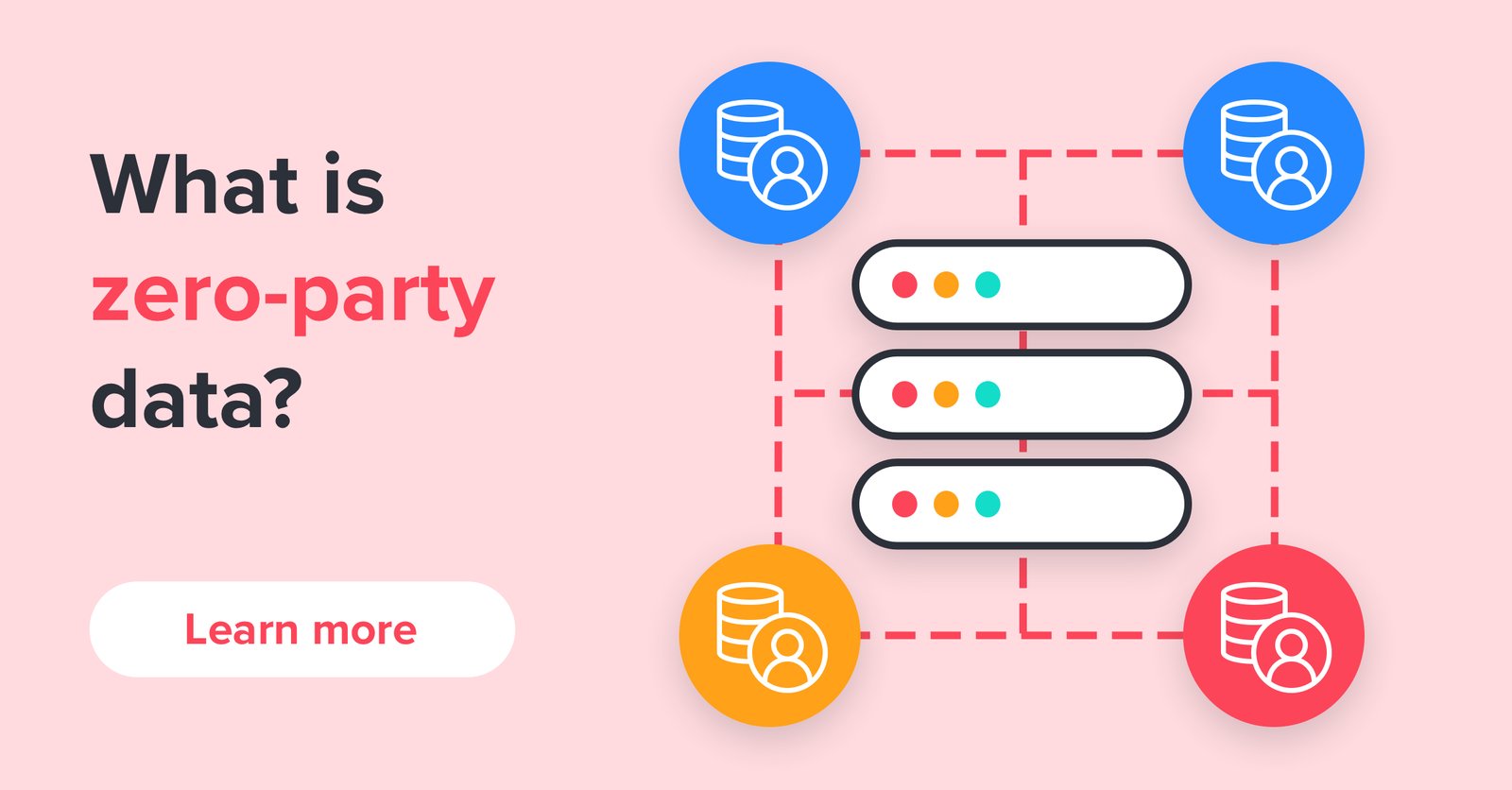
    In the world of digital marketing, data is king. The more data you have about your audience, the better you can target your content and the more effective your campaigns will be. However, not all data is created equal. In fact, some types of data can be much more valuable than others. This is where zero-party data comes in.

    Zero-party data is data that is intentionally shared by customers with a business. This can include things like their preferences, interests, and behaviors. This type of data is particularly valuable because it is freely given by the customer, and can be used to create personalized experiences that are more likely to resonate with them.

    So, how can you use zero-party data to level up your content ROI? Here are some tips to get started:

    1. Ask for it

    The first step in collecting zero-party data is to ask for it. This can be done through surveys, quizzes, or other interactive content that encourages customers to share information about themselves. Make sure to ask questions that are relevant to your business and that will help you create more targeted content.

    1. Use it to personalize your content

    Once you have collected zero-party data, use it to personalize your content. This can include things like using the customer’s name in your emails or tailoring your website to their interests. By providing a personalized experience, you are more likely to keep customers engaged and increase their loyalty.

    1. Test and optimize

    As with any marketing strategy, it is important to test and optimize your content. Use A/B testing to see which types of content resonate best with your audience, and use the insights you gain to improve your future campaigns.

    1. Respect customer privacy

    Finally, it is important to respect customer privacy when collecting and using zero-party data. Make sure to clearly communicate how you will be using the data, and give customers the option to opt out if they choose to do so. By respecting customer privacy, you can build trust and create more meaningful relationships with your audience.

    In conclusion, zero-party data is a powerful tool that can help you create more personalized and effective content. By collecting this type of data and using it to create tailored experiences, you can improve your content ROI and build stronger relationships with your audience. So, start asking for zero-party data today and see how it can level up your marketing game!

  • The Complete SEO Checklist for SaaS Companies

    The Complete SEO Checklist for SaaS Companies

    As a SaaS (Software as a Service) company, having a strong online presence is crucial for success in today’s digital age. Search Engine Optimization (SEO) is a critical component of any SaaS company’s marketing strategy. By optimizing your website and content for search engines, you can drive more traffic, increase brand visibility, and ultimately grow your business.

    To help you get started with SEO for your SaaS company, we’ve put together a comprehensive checklist. By following these steps, you can ensure that your website is optimized for search engines and that you’re taking full advantage of all the benefits that SEO has to offer.

    1. Define Your Target Keywords: The first step in any SEO strategy is to define your target keywords. These are the words and phrases that your potential customers are searching for when they’re looking for a product or service like yours. Make a list of your target keywords and use them throughout your website and content.
    2. Conduct Keyword Research: Once you’ve identified your target keywords, it’s important to conduct keyword research to ensure that you’re targeting the right keywords. Use keyword research tools to find additional keywords that are relevant to your business and that have high search volume and low competition.
    3. Optimize Your Website Structure: Your website’s structure plays a critical role in SEO. Make sure your website is well-organized and easy to navigate, with clear and descriptive URLs, well-structured headings, and a sitemap that makes it easy for search engines to crawl your site.
    4. Ensure Your Website is Mobile-Friendly: With more and more people accessing the internet on their mobile devices, having a mobile-friendly website is essential for SEO. Make sure your website is optimized for mobile devices, with a responsive design that adapts to different screen sizes.
    5. Improve Your Website Speed: Website speed is another important factor in SEO. A slow-loading website can negatively impact your search engine rankings and user experience. Use tools like Google PageSpeed Insights to identify areas where you can improve your website speed.
    6. Create High-Quality Content: Content is king when it comes to SEO. Create high-quality, informative content that is relevant to your target audience and includes your target keywords. Publish regular blog posts and other types of content to keep your website fresh and up-to-date.
    7. Optimize Your Content: In addition to creating high-quality content, it’s important to optimize your content for search engines. Use your target keywords in your titles, headings, and throughout your content, and include meta descriptions and alt tags for images.
    8. Build Quality Backlinks: Backlinks (links to your website from other websites) are an important ranking factor in SEO. Focus on building high-quality backlinks from authoritative websites in your industry.
    9. Monitor Your Website Analytics: Regularly monitoring your website analytics is essential for understanding how your website is performing and identifying areas for improvement. Use tools like Google Analytics to track your website’s traffic, user behavior, and other important metrics.
    10. Stay Up-to-Date with SEO Best Practices: SEO is constantly evolving, so it’s important to stay up-to-date with the latest best practices and algorithm updates. Follow industry blogs and forums, attend conferences and webinars, and continue to educate yourself on SEO trends and techniques.

    By following this SEO checklist for your SaaS company, you can improve your search engine rankings, drive more traffic to your website, and ultimately grow your business. Remember, SEO is a long-term strategy, so be patient and consistent in your efforts, and you’ll see the results over time.

  • The Shocking Truth About Email Marketing: You’ve Been Doing It Wrong!

    The Shocking Truth About Email Marketing: You’ve Been Doing It Wrong!

    As digital marketers, we all know the importance of email marketing in today’s business world. It is one of the most powerful and cost-effective ways to promote products or services and to stay in touch with customers. However, despite its popularity, email marketing is often done wrong. In this article, we will reveal the shocking truth about email marketing, and why you’ve been doing it wrong all along.

    The Problem with Traditional Email Marketing

    Traditional email marketing methods involve sending out mass emails to a list of subscribers, hoping that a small percentage of them will click through and take action. However, this approach is becoming less effective with time, as people are becoming more and more wary of spam emails and are less likely to engage with them.

    The Solution: Personalized Email Marketing

    The solution to the problem of traditional email marketing is personalized email marketing. Instead of sending out mass emails, businesses should focus on building a relationship with each individual subscriber by sending them personalized and relevant content. This approach not only increases engagement but also builds trust and loyalty with customers.

    Why Use It?

    One of the most effective tools for personalized email marketing is the APK app. APK is an acronym for Android Package Kit, which is used to install and distribute apps on Android devices. APKs are designed to be easy to install, use, and customize, making them perfect for businesses that want to personalize their email marketing campaigns.

    APKs can be used to create custom templates for emails, add personalized images and videos, and even include interactive elements like polls and surveys. APKs also allow businesses to track user behaviour and interests, allowing for even more personalized content in future emails.

    Key Features

    – Custom templates for emails

    – Personalized images and videos

    – Interactive elements like polls and surveys

    – User behaviour and interest tracking

    Exploring the Features of APK for Email Marketing

    Custom Templates: With APK, businesses can create custom templates for emails, ensuring that every email sent is unique and tailored to the individual subscriber. Custom templates can include images, videos, and even interactive elements like polls and surveys, making emails more engaging and interactive.

    Personalized Images and Videos: Using APKs, businesses can include personalized images and videos in their emails, increasing engagement and creating a more personal connection with the subscriber. Personalized images and videos can be tailored to the subscriber’s interests, ensuring that they are relevant and interesting.

    Interactive Elements: APKs allow businesses to add interactive elements like polls and surveys to their emails, providing an opportunity for subscribers to engage with the content and share their opinions. This type of interaction helps build a relationship with the subscriber and can lead to increased engagement and sales.

    User Behaviour and Interest Tracking: APKs allow businesses to track user behaviour and interests, providing insights into what subscribers are interested in and what types of content they engage with. This data can be used to create even more personalized content in future emails, leading to higher engagement and increased sales.

    Original vs. Mod APK

    Original APKs are created by the app developers and are available on official app stores like Google Play Store. Mod APKs, on the other hand, are modified versions of the original app that may have additional features or functionality not available in the original. While mod APKs may seem tempting, they are often illegal and may contain malware or viruses that can harm your device. Stick with original APKs to ensure the safety and security of your device and data.

    How to Download?

    To download an APK app, simply go to the official app store like Google Play Store, search for the app, and click on the download button. Make sure to only download from official sources to avoid any security risks.

    Conclusion

    Email marketing is an essential tool for businesses to promote their products or services and to stay in touch with their customers. However, traditional email marketing methods are becoming less effective, and businesses need to adapt to new strategies to stay ahead of the game. Personalized email marketing, using APKs, is one such strategy that can help businesses build a stronger relationship with their subscribers and increase engagement and sales.

    In conclusion, the shocking truth about email marketing is that businesses have been doing it wrong by using traditional email marketing methods. Personalized email marketing, using APKs, is the way forward for businesses looking to increase engagement and build stronger relationships with their subscribers. By using custom templates, personalized images and videos, interactive elements, and user behaviour and interest tracking, businesses can create personalized content that resonates with their subscribers and leads to increased engagement and sales. So, if you’re still doing email marketing the old-fashioned way, it’s time to make the switch to personalized email marketing with APKs.

    FAQs

    Q: What is APK?

    A: APK is an acronym for Android Package Kit, which is used to install and distribute apps on Android devices.

    Q: Why is personalized email marketing important?

    A: Personalized email marketing is important because it builds a stronger relationship with subscribers and increases engagement and sales.

    Q: What are the benefits of using APKs for email marketing?

    A: The benefits of using APKs for email marketing include custom templates, personalized images and videos, interactive elements, and user behaviour and interest tracking.

    Q: What is the difference between original and mod APKs?

    A: Original APKs are created by the app developers and are available on official app stores like Google Play Store. Mod APKs, on the other hand, are modified versions of the original app that may have additional features or functionality not available in the original.

    Q: Is it safe to download mod APKs? A: No, it is not safe to download mod APKs as they are often illegal and may contain malware or viruses that can harm your device.


  • The Power of Data-Driven Marketing: Unleashing the Potential of Customer Insights

    The Power of Data-Driven Marketing: Unleashing the Potential of Customer Insights

    In today’s fast-paced and ever-changing business environment, companies need to stay competitive to survive. One of the most effective ways to do this is by leveraging customer insights through data-driven marketing. By analysing customer data, businesses can tailor their marketing strategies to the needs and preferences of their target audience, which can lead to increased customer satisfaction, loyalty, and revenue. In this article, we will explore the power of data-driven marketing and how it can be used to drive business success.

    What is Data-Driven Marketing?

    Data-driven marketing is a strategy that uses customer data to optimize marketing efforts. This involves collecting and analysing data on customer behaviour, preferences, and demographics, and using this information to develop targeted marketing campaigns. Data-driven marketing is a departure from traditional marketing approaches that rely on gut instinct and intuition. Instead, it uses hard data to inform marketing decisions, resulting in more effective and efficient marketing efforts.

    Benefits of Data-Driven Marketing

    There are many benefits to data-driven marketing. Some of the most significant benefits include:

    Improved Customer Engagement

    Data-driven marketing allows businesses to better understand their customers’ needs and preferences. By tailoring marketing efforts to specific customer segments, businesses can improve customer engagement and satisfaction. This leads to increased loyalty and repeat business, which can be a significant driver of revenue growth.

    Increased Marketing Efficiency

    Data-driven marketing is more efficient than traditional marketing approaches. By using data to inform marketing decisions, businesses can avoid wasted resources on ineffective campaigns. This can result in significant cost savings and a higher return on investment (ROI).

    Enhanced Competitive Advantage

    Data-driven marketing can provide a significant competitive advantage. By using data to inform marketing decisions, businesses can develop targeted campaigns that resonate with their target audience. This can help them stand out from competitors and gain market share.

    Data-Driven Marketing in Practice

    Data-driven marketing can take many forms, from targeted email campaigns to personalized social media ads. Here are a few examples of how data-driven marketing can be used in practice:

    Personalized Marketing

    By analysing customer data, businesses can create personalized marketing campaigns that speak directly to individual customers. This can include personalized emails, targeted social media ads, and tailored website content. By delivering messages that resonate with individual customers, businesses can improve engagement and conversion rates.

    Behavioural Marketing

    Behavioural marketing uses data on customer behaviour to inform marketing decisions. This can include tracking website visits, clicks, and purchases to develop targeted marketing campaigns. By analysing customer behaviour, businesses can better understand their customers’ needs and preferences, which can help them develop more effective marketing strategies.

    Predictive Marketing

    Predictive marketing uses machine learning algorithms to analyse customer data and predict future behaviour. This can include predicting which customers are most likely to make a purchase or predicting which products or services are most likely to appeal to specific customer segments. By using predictive analytics, businesses can develop more effective marketing strategies that are tailored to the needs and preferences of their target audience.

    The Future of Data-Driven Marketing

    Data-driven marketing is not a passing fad. In fact, it is becoming increasingly essential for businesses of all sizes to stay competitive. As technology continues to evolve, data-driven marketing will become even more powerful. Here are a few trends to watch:

    Artificial Intelligence (AI)

    AI is already being used to power predictive analytics and other data-driven marketing strategies. As AI technology continues to evolve, it will become even more powerful and capable of handling larger and more complex data sets. This will enable businesses to develop even more targeted and personalized marketing campaigns.

    Customer Data Platforms (CDPs)

    CDPs are designed to help businesses collect, store, and analyse customer data from multiple sources. By centralizing customer data, businesses can develop more comprehensive customer profiles, which can inform more effective marketing campaigns. CDPs are becoming increasingly popular as businesses seek to improve their data-driven marketing efforts.

    Privacy Concerns

    As businesses collect and analyse more customer data, privacy concerns have become increasingly important. Customers are becoming more aware of the data that businesses collect and how it is used. To stay competitive, businesses need to prioritize data privacy and ensure that they are collecting and using customer data in an ethical and transparent manner.

    Conclusion

    In conclusion, data-driven marketing is a powerful strategy that can help businesses stay competitive in today’s fast-paced business environment. By collecting and analysing customer data, businesses can tailor their marketing strategies to the needs and preferences of their target audience, leading to increased customer engagement, loyalty, and revenue. As technology continues to evolve, data-driven marketing will become even more powerful, and businesses that invest in data-driven marketing strategies will have a significant competitive advantage.

  • How to Use Content to Boost Your SEO Strategy

    How to Use Content to Boost Your SEO Strategy

    As the digital landscape continues to evolve, search engine optimization (SEO) has become an integral part of any online marketing strategy. While there are numerous tactics that can help boost your search engine rankings, content creation remains a key driver of SEO success. In this article, we’ll explore some practical tips on how to use content to boost your SEO strategy.

    1. Research Your Keywords

    Keyword research is a crucial first step in any content creation process. Identify the keywords and phrases that your target audience is using to search for information related to your industry or niche. Use tools like Google Keyword Planner, SEMrush, or Ahrefs to conduct keyword research and identify the search volume and competition for your targeted keywords. This will help you optimize your content for the right keywords and improve your chances of ranking higher in search engine results pages (SERPs).

    1. Create Quality Content

    Creating high-quality, informative content is essential for both your users and search engines. Your content should be well-written, engaging, and relevant to your target audience. Avoid keyword stuffing, and instead, aim to provide value to your readers. Ensure that your content is easy to read and understand, and use headings and subheadings to organize your content and make it more scannable.

    1. Optimize Your Content

    Optimizing your content for SEO involves several key elements, including:

    • Title tags: Use descriptive, keyword-rich title tags that accurately reflect the content of your page.
    • Meta descriptions: Write compelling meta descriptions that provide a summary of your content and encourage users to click through to your website.
    • Headers: Use H1 and H2 tags to break up your content into sections and make it easier to read.
    • Internal links: Link to relevant pages on your website to help users find related content and improve your site’s overall structure.
    • Images: Use alt tags to describe your images and make them accessible to visually impaired users. Optimizing your images can also help improve your site’s loading speed, which is an important ranking factor.
    1. Publish Fresh Content Regularly

    Creating fresh, relevant content on a regular basis is an effective way to improve your search engine rankings. Search engines favor websites that regularly publish new content, so make sure to update your website frequently. This could be in the form of blog posts, case studies, or product reviews. Aim to publish at least one new piece of content per week, and use social media and email marketing to promote your new content to your followers.

    1. Monitor Your Analytics

    Monitoring your website’s analytics is essential for measuring the success of your content marketing efforts. Use tools like Google Analytics to track your website’s traffic, bounce rate, and engagement metrics. This will help you identify which types of content are performing well and which ones need improvement. Use this data to refine your content strategy and optimize your website for better SEO performance.

    In conclusion, content creation is a powerful tool for boosting your SEO strategy. By conducting thorough keyword research, creating quality content, optimizing your content for SEO, publishing fresh content regularly, and monitoring your analytics, you can improve your search engine rankings and attract more traffic to your website.

  • 20 Timeless Articles Every Content Marketer Needs to Read

    20 Timeless Articles Every Content Marketer Needs to Read

    In the ever-evolving world of content marketing, it can be challenging to keep up with the latest trends and best practices. However, there are some timeless articles that every content marketer should read to stay informed and inspired.

    Here are 20 of the most important and influential articles that have stood the test of time and continue to be relevant today:

    1. The Beginner’s Guide to SEO by Moz: This comprehensive guide covers the fundamentals of search engine optimization (SEO) and is a must-read for anyone looking to improve their website’s visibility on search engines.
    2. The Power of Visual Communication by HubSpot: This article explores the impact of visual content on engagement and conversion rates and provides tips for creating compelling visuals.
    3. The Content Marketing Manifesto by Rand Fishkin: In this manifesto, Fishkin outlines his vision for content marketing and how it should be approached.
    4. How to Write a Great Blog Post by Neil Patel: Patel’s guide breaks down the elements of a successful blog post and provides tips for creating high-quality content.
    5. The 5 Essential Elements of a Successful Content Marketing Strategy by Content Marketing Institute: This article outlines the key components of a successful content marketing strategy, including goal setting, audience targeting, and content planning.
    6. The 10 Commandments of Content Marketing by Jay Baer: Baer’s list of commandments provides a framework for creating effective content marketing campaigns.
    7. The Ultimate Guide to Content Marketing by QuickSprout: This guide covers all aspects of content marketing, from strategy to implementation.
    8. The Psychology of Color in Marketing by Buffer: This article explores the impact of color on consumer behavior and provides tips for using color effectively in marketing.
    9. The Skyscraper Technique by Backlinko: This article outlines a content marketing strategy for creating high-quality, shareable content.
    10. The Complete Guide to Building Your Personal Brand by Inc.: This comprehensive guide provides tips for building a personal brand through content marketing.
    11. The Ultimate Guide to Guest Blogging by Kissmetrics: This guide provides tips for building relationships with other bloggers and guest posting on their sites to expand your reach.
    12. How to Create Content That Drives Traffic and Boosts Sales by Copyblogger: This article outlines a strategy for creating content that not only attracts traffic but also drives sales.
    13. The Art of Storytelling in Marketing by Entrepreneur: This article explores the power of storytelling in marketing and provides tips for using it effectively.
    14. The Ultimate Guide to Writing Irresistible Subheads by Copyblogger: This guide provides tips for crafting subheads that grab readers’ attention and keep them engaged.
    15. The Beginner’s Guide to Social Media Advertising by Hootsuite: This guide covers the basics of social media advertising and provides tips for creating effective ads.
    16. How to Write Headlines That Drive Traffic, Shares, and Search Results by QuickSprout: This article provides tips for writing attention-grabbing headlines that drive traffic and engagement.
    17. The Ultimate Guide to Email Marketing by HubSpot: This guide covers all aspects of email marketing, from list building to campaign creation.
    18. The Power of Emotional Marketing by CoSchedule: This article explores the impact of emotions on consumer behavior and provides tips for using emotional marketing effectively.
    19. How to Create Content That Resonates with Your Audience by Social Media Today: This article provides tips for creating content that speaks to your target audience and resonates with them deeper.
    20. The Ultimate Guide to Content Creation by HubSpot: This guide covers all aspects of content creation, from idea generation to distribution and promotion.

    Whether you’re just starting out in content marketing or a seasoned pro, these articles provide valuable insights and strategies for creating effective content that engages and converts your target audience. By reading