Category: Marketing

  • LinkedIn Content That Sells. The 3-Step Formula for Converting Views Into Revenue.

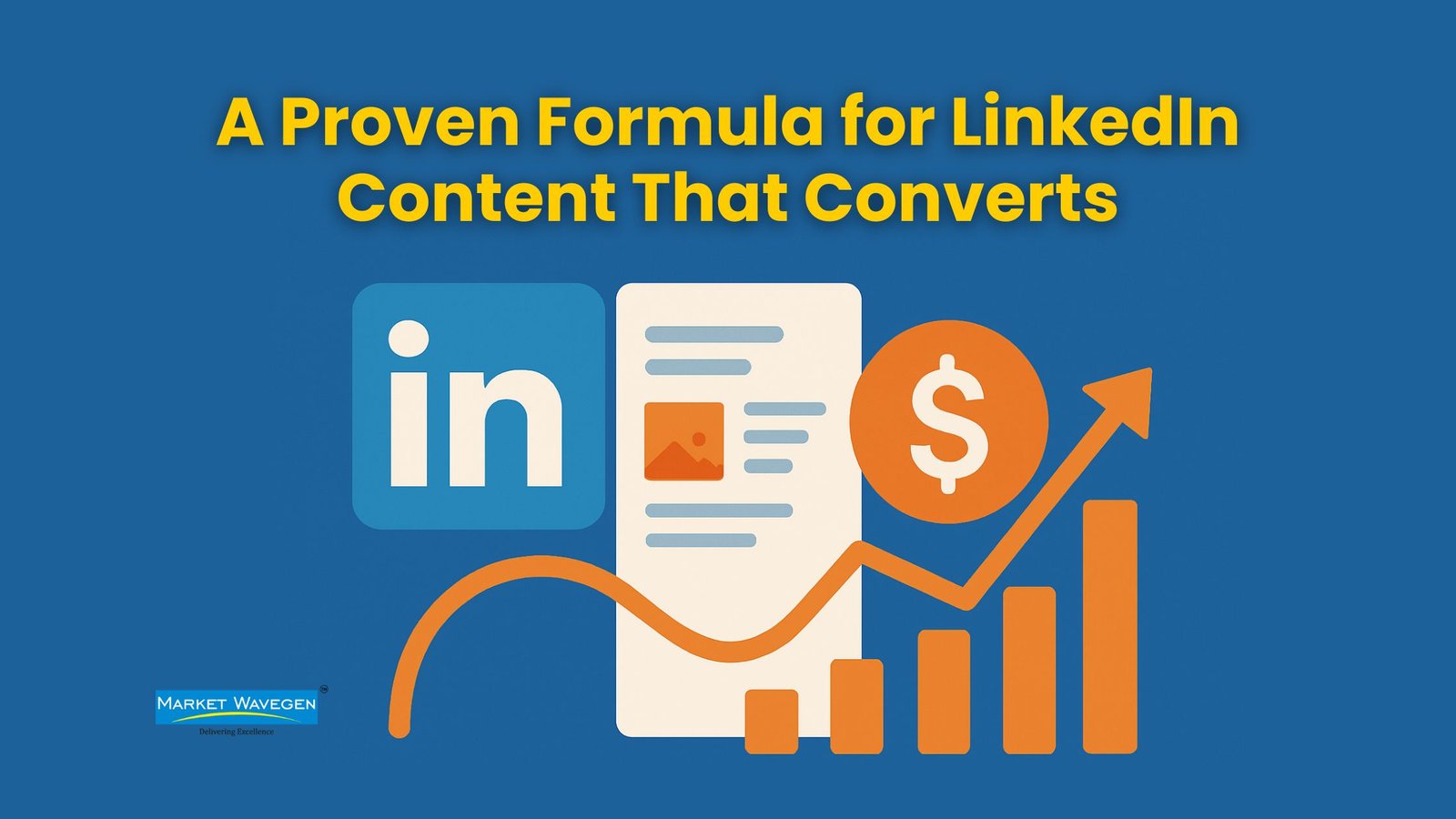
    LinkedIn Content That Sells. The 3-Step Formula for Converting Views Into Revenue.

    LinkedIn is no longer just a digital resume—it’s a powerful business tool. When done right, your LinkedIn content can attract leads, build authority, and generate revenue. But most people struggle with turning engagement into actual sales.

    Here’s a 3-step formula to make your LinkedIn content work for your business.

    Step 1: Capture Attention with High-Value Content

    The first step to making sales on LinkedIn is getting people to stop scrolling and engage with your content. To do this, you need to create content that is:

    • Eye-catching: Use a bold hook, a thought-provoking question, or a powerful statistic.
    • Value-driven: Offer insights, actionable tips, or solutions to pain points.
    • Storytelling-based: Share relatable stories or real-life case studies that build trust.
    • SEO-optimized: Use keywords like LinkedIn marketing, social selling, B2B lead generation, and personal branding to make your content discoverable.

    Example Post:

    ❌ “We help businesses grow on LinkedIn.” (Too generic)

    ✅ “80% of LinkedIn users never post. That’s a massive missed opportunity. Here’s how to dominate LinkedIn with just 5 minutes a day.”

    Step 2: Build Trust Through Engagement and Consistency

    People buy from those they trust. Building trust on LinkedIn means being consistent and engaging.

    • Post regularly: The sweet spot is 3-5 posts per week.
    • Engage in conversations: Respond to comments, DM interested leads, and participate in discussions.
    • Leverage different content formats: Use carousels, text posts, polls, and videos to diversify your content.
    • Showcase expertise over promotions: Instead of hard-selling, provide value that positions you as an authority.

    Engagement Hack:

    • Instead of waiting for people to engage, comment on others’ posts first. This increases your visibility and drives more traffic to your content.

    Step 3: Convert With Strategic CTAs (Call to Action)

    Your content should subtly guide your audience toward taking action. But the right CTA depends on where they are in their journey.

    • Soft CTAs: Build relationships without being pushy.
      • “What’s your biggest challenge with LinkedIn? Drop a comment.”
      • “Want a free checklist? DM me ‘LinkedIn’ and I’ll send it over.”
    • Hard CTAs: Encourage direct conversions.
      • “Spots are open for my LinkedIn growth program. DM me ‘Growth’ for details.”
      • “Book a free strategy call here .”

    Final Thoughts

    If you’re not getting leads from LinkedIn, it’s likely because your content isn’t structured for sales. By capturing attention, building trust, and using strategic CTAs, you can turn views into revenue.

    🚀 Ready to monetize LinkedIn? Start applying this formula today and watch your sales grow!

  • B2B SaaS Sales Funnel Optimization. Streamlining Conversions and Retention.

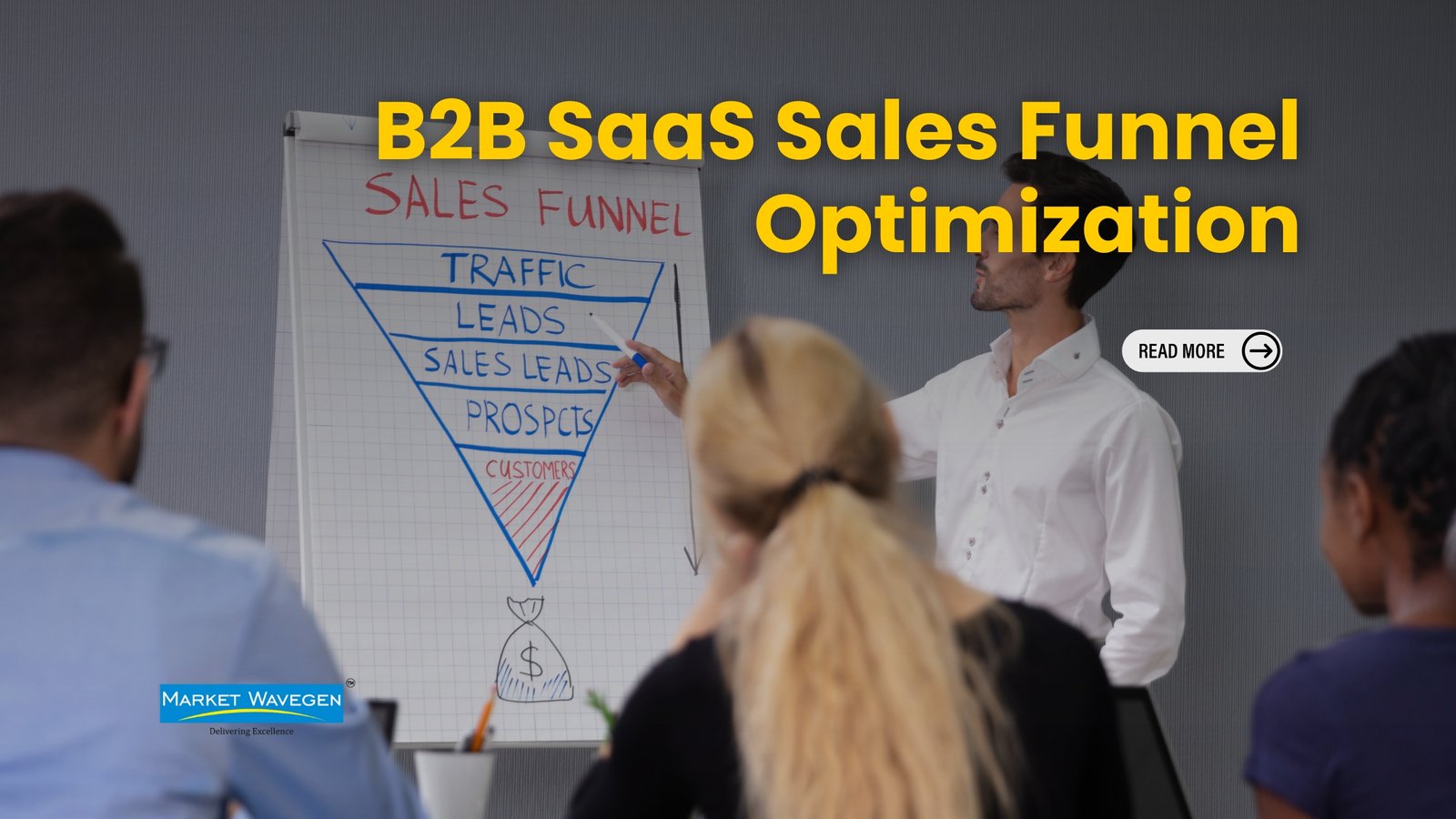
    B2B SaaS Sales Funnel Optimization. Streamlining Conversions and Retention.

    The B2B SaaS (Software as a Service) industry is characterized by its competitive nature and the need for innovative strategies to attract, convert, and retain customers. Optimizing the sales funnel is crucial for maximizing conversions and ensuring long-term customer retention. Market Wavegen, with its expertise in Strategic Information Retrieval Systems (SIRS) and Intelligent Database Account-Based Marketing (ABM), offers cutting-edge solutions to help B2B SaaS companies streamline their sales funnels effectively. This blog explores how Market Wavegen’s services and data can enhance each stage of the B2B SaaS sales funnel.

    Understanding the B2B SaaS Sales Funnel

    A typical B2B SaaS sales funnel can be divided into four main stages:

    1. Awareness: Potential customers become aware of your product or service.
    2. Consideration: Prospects evaluate your offering against competitors.
    3. Decision: Prospects decide to purchase your product.
    4. Retention: Customers continue using and renewing your product, potentially becoming advocates.

    Stage 1: Enhancing Awareness with Market Wavegen

    The top of the funnel is all about capturing the attention of potential customers. Market Wavegen’s services can significantly enhance awareness through targeted market research and strategic information retrieval.

    1. Comprehensive Market Research: Market Wavegen utilizes SIRS to gather extensive data from various sources, including online databases, industry reports, social media, and customer feedback. This comprehensive approach ensures that your business has access to a wealth of information, enabling more accurate and informed decision-making.
    2. SEO Optimization: Market Wavegen’s expertise in data-driven SEO strategies helps improve your website’s search engine rankings. By analyzing and implementing relevant keywords, meta descriptions, and alt text, your business can attract more organic traffic.
    3. Social Media Insights: Leveraging data from social media platforms, Market Wavegen can help your business understand audience behavior and preferences. This insight allows for more effective social media engagement and content sharing.
    4. Paid Advertising Strategies: Market Wavegen’s data-driven approach to PPC (Pay-Per-Click) campaigns ensures that your ads reach the right audience. Targeted ads can drive immediate traffic to your site, increasing brand visibility and awareness.

    Stage 2: Driving Consideration with Market Wavegen

    Once potential customers are aware of your product, the next step is to nurture them through the consideration phase. Market Wavegen’s Intelligent Database ABM strategies are key to building trust and demonstrating value.

    1. Personalized Email Campaigns: Using data from Intelligent Databases, Market Wavegen helps create highly personalized email marketing campaigns. By segmenting lists based on specific criteria, your business can send targeted content that addresses the unique needs of each prospect.
    2. Case Studies and Testimonials: Market Wavegen can help gather and showcase success stories from existing customers. By leveraging these case studies and testimonials, your business can provide social proof and demonstrate real-world benefits.
    3. Product Demos and Free Trials: Market Wavegen’s data-driven insights can identify the best prospects for product demos and free trials. This targeted approach increases the likelihood of converting leads into customers.
    4. Educational Webinars: With Market Wavegen’s expertise, your business can host webinars that delve deeper into industry topics and showcase how your product solves specific problems. This positions your company as an expert and helps prospects make informed decisions.

    Stage 3: Facilitating Decision-Making with Market Wavegen

    At the decision stage, prospects are evaluating whether to purchase your product. Market Wavegen’s services streamline this phase, making it easier for prospects to make a decision.

    1. Clear Value Proposition: Market Wavegen helps refine your value proposition to ensure it is clear and compelling. Prospects should immediately understand the benefits and ROI (Return on Investment) of choosing your product.
    2. Transparent Pricing: Market Wavegen’s data insights can guide you in developing transparent and competitive pricing strategies. Clear pricing structures reduce friction and build trust with potential customers.
    3. Sales Support: Market Wavegen equips your sales team with the necessary tools and information to close deals. Personalized follow-ups, detailed product information, and addressing any objections promptly can seal the deal.
    4. Streamlined Onboarding: Market Wavegen’s expertise in customer experience ensures that your onboarding process is smooth and efficient. A positive onboarding experience sets the tone for the customer’s journey and reduces the likelihood of churn.

    Stage 4: Boosting Retention with Market Wavegen

    Retaining customers is just as important as acquiring them. Market Wavegen’s focus on customer success can lead to long-term loyalty and advocacy.

    1. Continuous Engagement: Market Wavegen helps maintain regular communication with your customers through newsletters, updates, and personalized check-ins. Keeping them informed and engaged ensures they feel valued.
    2. Exceptional Customer Support: Market Wavegen’s data-driven approach to customer support ensures quick response times and knowledgeable assistance. Multiple support channels (chat, email, phone) are essential for resolving issues promptly.
    3. Product Improvements: Market Wavegen continuously collects and analyzes customer feedback to inform product improvements. Regular updates and new features show customers that you are committed to delivering the best possible experience.
    4. Loyalty Programs: Market Wavegen can help design loyalty programs that reward long-term customers. Discounts, exclusive features, and early access to new releases can incentivize renewals and advocacy.

    Leveraging Market Wavegen’s Technology for Funnel Optimization

    To effectively manage and optimize your sales funnel, leveraging Market Wavegen’s technology is crucial:

    1. CRM Systems: Market Wavegen’s CRM solutions track interactions, manage leads, and streamline communication. A robust CRM system provides valuable insights into your sales pipeline.
    2. Marketing Automation: Market Wavegen’s marketing automation tools nurture leads through personalized email campaigns, track engagement, and score leads based on their behavior.
    3. Analytics Platforms: Market Wavegen’s analytics platforms measure the performance of your sales funnel. Key metrics like conversion rates, churn rates, and customer lifetime value provide actionable insights for continuous improvement.
    4. A/B Testing: Market Wavegen conducts A/B testing on various elements of your sales process, such as email subject lines, landing pages, and call-to-action buttons. This helps identify what works best and refine your strategies accordingly.

    Conclusion

    Optimizing your B2B SaaS sales funnel with Market Wavegen’s services and data is an ongoing process that requires a deep understanding of your target audience and a commitment to continuous improvement. By enhancing each stage of the funnel—from awareness to retention—you can attract high-quality leads, convert them into loyal customers, and foster long-term business growth. Market Wavegen’s advanced technologies and strategic insights ensure your sales funnel remains efficient and effective in an ever-evolving market.

  • Grow Your SaaS Business with Market Wavegen’s Data-Driven Marketing Strategies.

    Grow Your SaaS Business with Market Wavegen’s Data-Driven Marketing Strategies.

    Where data is more accessible than ever, one might assume that making informed decisions should be straightforward. Yet, many SaaS companies find themselves grappling with overwhelming amounts of data without a clear path to actionable insights. This is where data-driven marketing becomes not just useful, but essential. It’s a method that leverages verified data to optimize marketing strategies and improve decision-making processes. Let’s explore how leveraging Market Wavegen’s expertise can empower your SaaS business to grow by harnessing the full potential of data-driven marketing.

    Understanding the Data-Driven Landscape

    Data-driven marketing is the backbone of innovation in today’s marketing strategies, particularly in the SaaS sector. By analyzing customer data, companies can tailor their marketing efforts to meet the specific needs and behaviors of their audience. This approach not only enhances the effectiveness of marketing campaigns but also maximizes ROI.

    Market Wavegen specializes in transforming complex data into actionable insights, enabling SaaS companies to make strategic decisions based on real-time information. This expertise is crucial in navigating the competitive landscape of SaaS, where understanding and anticipating customer needs can make or break a business.

    The Benefits of Data-Driven Marketing for SaaS

    1. Enhanced Customer Insights

    One of the most significant advantages of data-driven marketing is the depth of customer insights it provides. By analyzing data from various touchpoints, Market Wavegen helps SaaS companies gain a comprehensive understanding of their customers’ preferences, behaviors, and pain points. This information is invaluable for crafting personalized marketing messages that resonate with your target audience.

    2. Improved Campaign Performance

    Data-driven marketing allows for continuous monitoring and optimization of marketing campaigns. Market Wavegen’s tools enable real-time tracking of key performance metrics, helping you identify what’s working and what’s not. This means you can make adjustments on the fly, ensuring your campaigns are always performing at their best.

    3. Increased ROI

    With precise targeting and optimized campaigns, data-driven marketing significantly improves ROI. By focusing on high-value customer segments and tailoring your marketing efforts to their specific needs, you can reduce wasteful spending and allocate resources more effectively. Market Wavegen’s expertise ensures that every dollar you spend on marketing is maximized for the best possible return.

    How Market Wavegen Supports Data-Driven Marketing

    Market Wavegen provides a suite of tools and services designed to help SaaS companies leverage data-driven marketing effectively. Here’s how:

    1. Strategic Information Retrieval System (SIRS)

    Market Wavegen’s SIRS is a powerful tool that collects and analyzes data from various sources, providing deep insights into market trends, customer behavior, and competitive landscapes. This information is critical for making informed strategic decisions and staying ahead of the competition.

    2. Intelligent Databases for Customer Segmentation

    Effective customer segmentation is at the heart of successful marketing campaigns. Market Wavegen’s intelligent databases allow you to segment your audience based on various criteria, such as demographics, behavior, and purchase history. This enables you to deliver highly personalized marketing messages that resonate with each segment.

    3. Advanced Predictive Analytics

    Predictive analytics is a game-changer for SaaS marketing. By analyzing historical data, Market Wavegen’s predictive analytics tools can forecast future trends and customer behaviors. This allows you to anticipate customer needs and tailor your marketing strategies accordingly, ensuring you’re always one step ahead.

    4. Marketing Automation

    Automation is key to scaling your marketing efforts efficiently. Market Wavegen’s marketing automation tools streamline repetitive tasks, such as email campaigns and social media posting, freeing up your team to focus on strategy and creativity. Automation also ensures consistency in your marketing efforts, improving overall effectiveness.

    5. Real-Time Data Tracking and Reporting

    Real-time data tracking is essential for making quick, informed decisions. Market Wavegen provides tools that allow you to monitor your marketing performance in real time, giving you the flexibility to adjust your strategies as needed. Customizable reports provide a clear overview of your key metrics, helping you stay on top of your marketing goals.

    Real-World Success Stories

    To illustrate the impact of data-driven marketing, let’s look at a real-world example. A mid-sized SaaS provider was struggling with high customer acquisition costs and low conversion rates. After implementing Market Wavegen’s data-driven marketing strategies, they experienced:

    • 30% Increase in Conversion Rates: By leveraging predictive analytics and customer segmentation, they targeted the right customers with the right message.
    • 25% Reduction in Customer Acquisition Costs: Automation and real-time tracking allowed them to optimize their marketing spend.
    • 40% Improvement in Campaign Efficiency: Streamlined processes and actionable insights led to more effective campaigns.

    Conclusion

    In the competitive SaaS landscape, relying on intuition and guesswork is no longer sufficient. Data-driven marketing is the key to unlocking your company’s full potential. With Market Wavegen, you have the tools and expertise needed to transform your marketing efforts and achieve outstanding results.

    Don’t let your data sit idle. Turn it into gold with Market Wavegen’s marketing mastery. Ready to see the difference?

    Contact us today to learn more and start your journey towards smarter, more effective marketing.

    Book a Meeting: https://outlook.office365.com/book/Clickbelowtolearnmoreaboutourdatadrivensolutions@finalstaging.marketwavegen.com/

    Follow us on linkedIn: https://www.linkedin.com/company/market-wavegen/?viewAsMember=true

  • Enhancing Account-Based Marketing Outcomes with Targeted Email Strategies.

    Enhancing Account-Based Marketing Outcomes with Targeted Email Strategies.

    In the dynamic world of digital marketing, Account-Based Marketing (ABM) has emerged as a strategic approach that aligns marketing and sales efforts to deepen engagements with high-value accounts. ABM is not just about reaching more people; it’s about reaching the right people with precision and personalization. In this context, email marketing plays a pivotal role in driving the success of ABM campaigns. This blog delves into how targeted email strategies can enhance ABM outcomes, offering actionable insights and methodologies to marketers aiming to elevate their ABM efforts.

    Male hand holding letter iconemail icons Contact us by newsletter email and protect your personal information from spam mail Customer service call center contact usEmail marketing and newsletter

    The Synergy Between ABM and Email Marketing

    ABM focuses on identifying and targeting key accounts that offer the most significant potential for business growth. By leveraging email marketing within your ABM strategy, you can deliver personalized messages tailored to the specific needs and behaviors of decision-makers within these accounts. This synergy helps in nurturing leads more effectively, shortening the sales cycles, and increasing the overall marketing ROI.

    Building the Foundation: Account Identification and Segmentation

    Step 1: Identify Key Accounts The first step in any effective ABM campaign is to identify and select the accounts that are most likely to convert. These are typically accounts that have a high potential lifetime value or are strategic to the business in other ways.

    Step 2: Deep Segmentation Once the key accounts are identified, it’s crucial to segment them based on various criteria such as industry, company size, position in the buying cycle, and specific needs or interests. This deep segmentation is vital for crafting personalized email content.

    Personalization: The Heart of ABM Email Strategies

    Crafting Personalized Messages For ABM to be successful, each email must resonate personally with its recipient. This means going beyond inserting the recipient’s name in the email. It involves tailoring the content to address their specific business needs, challenges, and opportunities.

    Content Relevance Develop content that speaks directly to the pain points of each segment. Use data insights to create messages that provide solutions, advice, and value, making each communication meaningful and relevant.

    Effective Email Campaign Tactics for ABM

    Educational Content and Thought Leadership Sharing high-quality, informative content through emails can position your company as a thought leader. This includes whitepapers, case studies, industry reports, and webinars that relate to the recipient’s industry and needs.

    Personalized Product Demonstrations Invite key decision-makers to exclusive, personalized demonstrations of your product or service. Tailor these demos to show how your solutions meet their unique requirements.

    Event Invitations Use email to invite leads to webinars or events that are tailored to their interests. These events should be relevant to the segment and designed to address their specific challenges.

    Leveraging Technology: Automation and Analytics

    Marketing Automation Tools Utilize marketing automation tools to streamline your ABM email campaigns. These tools can help manage complex campaign workflows, schedule emails, and ensure timely follow-ups.

    Analytics for Continuous Improvement Measure the effectiveness of your email campaigns through detailed analytics. Track metrics like open rates, click-through rates, and conversion rates. Use this data to refine your approach, focusing on what works best for your target accounts.

    Integrating Multi-Channel Strategies

    While email is a powerful tool in your ABM arsenal, integrating other channels can amplify your results. Combine your email campaigns with social media, direct mail, or personalized ads to create a cohesive and compelling buyer journey.

    Social Media Use social media insights to understand the interests and behaviors of your target accounts. Integrate these insights into your email campaigns to create a consistent message across platforms.

    Direct Mail and Personalized Ads Combine emails with direct mail for a tactile touch or use personalized ads to retarget email recipients. This multi-touch approach helps in reinforcing your message and increasing engagement.

    Case Studies: Success Stories of Targeted Email Strategies in ABM

    Illustrate the effectiveness of your strategies with real-life examples. Highlight case studies where targeted email strategies have significantly improved ABM outcomes. Discuss the tactics used, the challenges faced, and the results achieved, providing readers with a clear understanding of practical applications and successes.

    Conclusion: The Future of ABM and Email Marketing

    As businesses continue to look for more ROI-driven marketing strategies, the integration of targeted email strategies within ABM campaigns will only grow stronger. By focusing on personalization, leveraging the right technology, and integrating multiple channels, marketers can create more engaging, effective campaigns that drive meaningful results.

    To thrive in the evolving landscape of B2B marketing, stay at the forefront of emerging trends and continuously adapt your strategies. Remember, the key to successful ABD is a deep understanding of your target accounts combined with a commitment to delivering personalized, relevant content that drives engagement and conversions.

  • The Impact of Virtual and Hybrid Events on ABM Shaping Strategies and Opportunities for Personalised Engagement.

    The Impact of Virtual and Hybrid Events on ABM Shaping Strategies and Opportunities for Personalised Engagement.

    In the ever-evolving landscape of B2B marketing, Account-Based Marketing (ABM) has emerged as a cornerstone strategy for targeting high-value accounts with precision and personalised engagement. With the advent of virtual and hybrid events, the dynamics of ABM have transformed significantly, offering new avenues for marketers to connect with their target accounts in more meaningful ways. This blog explores how virtual and hybrid events are shaping ABM strategies and the opportunities they present for personalised engagement.

    Understanding Virtual and Hybrid Events

    Virtual Events

    Virtual events are conducted entirely online, leveraging digital platforms to host webinars, conferences, trade shows, and meetings. These events have gained immense popularity, especially in the wake of the COVID-19 pandemic, providing a safe and convenient alternative to traditional in-person gatherings.

    Hybrid Events

    Hybrid events combine elements of both in-person and virtual events. They allow participants to choose between attending physically or joining remotely via online platforms. This dual approach offers the best of both worlds, catering to diverse preferences and expanding reach.

    The Synergy Between Virtual/Hybrid Events and ABM

    Enhanced Data Collection and Insights

    One of the most significant advantages of virtual and hybrid events is the wealth of data they generate. From registration forms to real-time engagement metrics, these events provide a treasure trove of information about attendees. ABM strategies thrive on data-driven insights, and virtual/hybrid events offer a robust mechanism for collecting and analyzing this data.

    Marketers can track attendee behavior, session participation, content downloads, and more. This granular data enables the creation of highly personalized follow-up strategies, ensuring that each interaction is tailored to the specific interests and needs of the target account.

    Personalized Content and Engagement

    Virtual and hybrid events offer unparalleled opportunities for personalised content delivery. Marketers can segment their audience based on various criteria such as industry, job role, and previous engagement history. This segmentation allows for the creation of customised agendas, personalised content tracks, and targeted messaging.

    For example, a technology company targeting CIOs in the healthcare sector can design a specific content track addressing the unique challenges and opportunities within that industry. Personalised engagement fosters a deeper connection with the target accounts, enhancing the overall effectiveness of ABM efforts.

    Expanding Reach and Accessibility

    Traditional in-person events often face limitations in terms of geography and attendance capacity. Virtual and hybrid events eliminate these barriers, enabling marketers to reach a global audience without the constraints of physical location. This expanded reach is particularly advantageous for ABM, as it allows for the inclusion of key decision-makers who may not have been able to attend an in-person event.

    Hybrid events, in particular, offer flexibility for attendees to choose their preferred mode of participation. This inclusivity ensures that more stakeholders from the target accounts can engage with the content, fostering a more comprehensive and impactful ABM strategy.

    Real-Time Interaction and Engagement

    Virtual and hybrid events facilitate real-time interaction through features such as live chats, Q&A sessions, polls, and breakout rooms. These interactive elements provide opportunities for marketers to engage directly with their target accounts, addressing their questions and concerns in real-time.

    Real-time engagement is a powerful tool in ABM, as it allows for immediate feedback and relationship building. Marketers can use these interactions to gain deeper insights into the needs and pain points of their target accounts, refining their ABM strategies accordingly.

    Cost-Effectiveness and ROI

    Hosting virtual and hybrid events can be more cost-effective compared to traditional in-person events. The savings on venue rentals, travel, and accommodation can be significant, allowing marketers to allocate their budgets more efficiently. These cost savings can be reinvested into enhancing the quality of the event experience, such as through advanced technology platforms, high-quality content production, and targeted promotional activities.

    Moreover, the ROI of virtual and hybrid events can be more easily tracked and measured. With detailed analytics and reporting capabilities, marketers can assess the effectiveness of their ABM efforts and make data-driven decisions to optimize future campaigns.

    Opportunities for Personalized Engagement

    Customizable Event Experiences

    Virtual and hybrid events offer the flexibility to design highly customizable experiences for attendees. Marketers can create personalized event journeys for their target accounts, ensuring that each participant receives content and interactions that are most relevant to them.

    For instance, personalized agendas can be crafted based on the attendee’s interests and preferences, ensuring that they engage with the sessions and content that matter most to them. This level of customization enhances the overall event experience and increases the likelihood of meaningful engagement.

    One-on-One Meetings and Networking

    Virtual and hybrid events provide opportunities for one-on-one meetings and networking sessions, which are crucial for ABM. Marketers can schedule personalized meetings with key decision-makers from target accounts, facilitating deeper conversations and relationship building.

    Advanced matchmaking algorithms can also be used to connect attendees with similar interests or complementary needs, fostering valuable networking opportunities. These personalized interactions can lead to more significant business opportunities and stronger relationships with target accounts.

    Targeted Content Delivery

    The ability to deliver targeted content is a hallmark of effective ABM. Virtual and hybrid events allow for precise content delivery based on the specific interests and needs of the target accounts. Marketers can leverage data collected from registration forms, engagement metrics, and past interactions to tailor content that resonates with their audience.

    For example, personalized content hubs can be created, providing access to on-demand sessions, whitepapers, case studies, and product demos that are most relevant to the target account. This targeted approach ensures that the content is highly relevant and valuable, increasing the likelihood of engagement and conversion.

    Interactive Workshops and Demos

    Interactive workshops and demos are a powerful way to engage target accounts and showcase the value of products and solutions. Virtual and hybrid events can facilitate these interactive sessions, allowing attendees to participate in hands-on activities, ask questions, and experience the product in action.

    These interactive sessions provide a deeper understanding of the product’s capabilities and benefits, making it easier for target accounts to see how it can address their specific needs. This level of engagement is critical for building trust and credibility with target accounts.

    Post-Event Follow-Up and Nurturing

    The engagement doesn’t end when the event concludes. Virtual and hybrid events offer opportunities for comprehensive post-event follow-up and nurturing. Marketers can leverage the data collected during the event to create personalized follow-up campaigns, ensuring that the target accounts continue to receive relevant and valuable content.

    Post-event surveys, thank-you emails, and personalized content recommendations can be used to maintain engagement and nurture relationships with target accounts. This ongoing communication helps to keep the brand top-of-mind and move the accounts further along the buyer’s journey.

    Conclusion

    Virtual and hybrid events have revolutionized the way marketers approach Account-Based Marketing. By leveraging the unique capabilities of these events, marketers can enhance data collection, deliver personalized content, expand reach, facilitate real-time interaction, and achieve cost-effectiveness.

    The opportunities for personalized engagement are vast, from customizable event experiences and one-on-one meetings to targeted content delivery and interactive workshops. As virtual and hybrid events continue to evolve, they will play an increasingly important role in shaping ABM strategies and driving meaningful engagement with high-value accounts.

    Marketers who embrace the potential of virtual and hybrid events will be well-positioned to create impactful ABM campaigns that resonate with their target accounts and deliver measurable results. The future of ABM is undoubtedly intertwined with the innovative possibilities offered by virtual and hybrid events, making them an essential component of modern B2B marketing strategies.
  • Transforming Account Based Marketing with Real-Time Data and Technology.

    Transforming Account Based Marketing with Real-Time Data and Technology.

    Transforming Account Based Marketing with Real-Time Data and Technology.

    Introduction: In today’s digital marketing landscape, Account-Based Marketing (ABM) has evolved from a basic, somewhat speculative strategy into a powerhouse of precision and efficiency, largely thanks to advancements in data analytics and SaaS tools. At Market Wavegen, we have been at the forefront of this transformation, enhancing ABM practices with our innovative SaaS tool, ManTech Mark. This blog explores the evolution of ABM over the past decade and how integrating smart technologies can revolutionize your marketing efforts.

    The Evolution of ABM: A decade ago, ABM was largely a manual effort. Marketers would choose key accounts based on intuition and limited data, often resulting in hit-or-miss campaigns. This approach was akin to trying to hit a bullseye in the dark. However, with the rise of big data and advanced analytics, ABM has undergone a dramatic transformation.

    Today, ABM is not just about selecting accounts but about deeply understanding those accounts through robust data insights. This shift from a manual to a data-driven approach allows businesses to target their marketing efforts more effectively, ensuring that they reach the right customer at the right time with the right message.

    Introducing ManTech Mark: Recognizing the need for a more targeted and efficient approach, Market Wavegen developed ManTech Mark, a cutting-edge SaaS tool designed to harness real-time data for enhanced ABM strategies. ManTech Mark allows businesses to understand their clients’ needs better, tailor their marketing strategies precisely, and foster lasting partnerships. Here’s how ManTech Mark is making a difference:

    1. Real-Time Data Utilization: ManTech Mark collects and analyzes real-time data, allowing marketers to adjust their strategies dynamically. This responsiveness to market conditions and customer behavior ensures that ABM campaigns are always relevant and impactful.
    2. Enhanced Targeting Precision: By leveraging data analytics, ManTech Mark helps identify the most valuable accounts with higher precision. This means marketing resources are used more efficiently, increasing the ROI of marketing campaigns.
    3. Building Lasting Relationships: With better insights, companies can create personalized experiences that resonate with key accounts. ManTech Mark facilitates this by providing detailed analysis of customer needs and preferences, which helps in crafting tailored messages that build loyalty and trust.

    The Impact of Advanced ABM Tools: The adoption of advanced ABM tools like ManTech Mark has led to significant improvements in marketing outcomes. Businesses report higher engagement rates, improved sales conversions, and increased customer retention. The ability to act on comprehensive, real-time data not only enhances the effectiveness of individual campaigns but also aligns marketing efforts closely with overarching business objectives.

    Conclusion: As ABM continues to evolve, the integration of technology like ManTech Mark will play a pivotal role in its future. For businesses looking to enhance their marketing strategies, adopting such technologies is no longer an option but a necessity.

  • Riding the Digital Wave: How ABM Evolved for the 2024 Marketplace (Featuring Market Wavegen’s Innovative Strategies)

    Riding the Digital Wave: How ABM Evolved for the 2024 Marketplace (Featuring Market Wavegen’s Innovative Strategies)

    Traditional ABM focused on identifying and nurturing a select group of high-value accounts. While this core principle remains, the methods for achieving it have transformed in today’s digital environment. Here are some key trends shaping the evolution of ABM.

    • Personalization at its Peak: Gone are the days of generic messaging. Today’s B2B buyers crave personalized experiences that resonate with their specific needs and challenges. Market Wavegen utilizes in-depth customer research and data analysis to tailor every touchpoint – from website content to social media interactions – to resonate with each target account.
    • Data Drives the Voyage: Data is the fuel that propels successful ABM campaigns. Market Wavegen utilizes advanced data analytics to gain deep insights into target accounts, including firmographics, technographics, and buyer personas. This data allows for laser-focused targeting and campaign optimization.
    • Omnichannel Orchestration: The modern B2B buyer doesn’t exist in a single marketing channel. They navigate a complex ecosystem of online and offline touchpoints. Market Wavegen understands this and creates seamless omnichannel experiences that keep your brand top-of-mind at every stage of the buyer’s journey.

    These are just a few of the key trends reshaping the ABM landscape. It’s crucial for businesses to stay informed and adapt their strategies to remain competitive.

    Market Wavegen’s Innovative Navigation: Charting a Successful ABM Course

    Market Wavegen doesn’t just understand the changing tides of ABM – they actively innovate to create best-in-class strategies for their clients. Let’s delve into a few examples of their cutting-edge approach:

    • Account-Based Intent (ABI) Integration: MarketWavegen goes beyond traditional firmographic targeting by incorporating Account-Based Intent (ABI) data. This data reveals the real-time buying intent of specific accounts, allowing for hyper-targeted campaign messaging at the most opportune moments in the buying cycle.

    Here’s a real-world example: Imagine a software company targeting marketing automation platforms. MarketWavegen uses ABI to identify companies actively researching marketing automation solutions online. This allows them to reach out with highly relevant content and messaging, significantly increasing engagement and conversion rates.

    • Programmatic Activation for ABM: Market Wavegen leverages programmatic advertising platforms to deliver personalized display ads directly to decision-makers within target accounts. This ensures your brand message reaches the right people at the right time, regardless of which websites they frequent.

    Imagine a financial services company looking to reach CFOs within specific target accounts. Market Wavegen utilizes programmatic advertising to serve targeted ads showcasing their financial management solutions across industry-specific publications and financial news websites frequented by CFOs.

    • The Power of Account-Based Orchestration (ABO): Market Wavegen utilizes a sophisticated Account-Based Orchestration (ABO) platform. This platform centralizes and integrates all ABM activities, including marketing automation, sales engagement, and customer relationship management (CRM). This holistic approach ensures seamless execution and data-driven insights for every touchpoint across the customer journey.

    Think of ABO as the captain’s cabin on your ABM ship. It’s where all the crucial decisions are made, resources are coordinated, and the course is charted for success. Market Wavegen’s ABO platform allows for real-time campaign optimization, ensuring your ABM efforts are constantly evolving and achieving optimal results.

    Unleash the Power of ABM for Your Business!

    Schedule a free consultation with MarketWavegen’s ABM experts and chart your course to success:

  • How Buyer Intent Sharpens Your ABM Targeting. Reach the Right Accounts at the Right Time.

    How Buyer Intent Sharpens Your ABM Targeting. Reach the Right Accounts at the Right Time.

    Account-Based Marketing (ABM) has become a cornerstone strategy for B2B marketers seeking to nurture high-value relationships with targeted accounts. While traditional ABM relies on understanding an account’s firmographics (industry, size, location) and technographics (technology stack), a critical element often overlooked is buyer intent.

    Buyer intent refers to the signals that indicate a company is actively researching or considering a solution like yours. This data can be a game-changer for ABM campaigns, allowing you to hyper-target accounts demonstrating active purchase intent and personalize outreach efforts for maximum impact.

    In this blog post, we’ll delve into the power of buyer intent for ABM, exploring how it sharpens your targeting, personalizes your messaging, and ultimately boosts your campaign effectiveness.

    Why Buyer Intent Matters in ABM

    Traditionally, ABM relies on static firmographics and technographics to identify target accounts. While valuable, this approach can miss crucial signals: is the account actively considering a solution, or are they simply a good fit on paper?

    Buyer intent data bridges this gap by providing real-time insights into an account’s current buying journey. Here’s how it elevates your ABM strategy:

    • Prioritize Accounts Based on Active Interest: Instead of wasting resources on accounts that might not be ready to buy, buyer intent data allows you to prioritize those actively researching solutions. This ensures your outreach efforts land with the most receptive audiences.
    • Personalize Messaging for Maximum Impact: Imagine crafting a message that directly addresses a specific pain point the account is researching. Buyer intent data reveals these pain points, allowing you to tailor your messaging to resonate deeply and demonstrate a genuine understanding of their needs.
    • Optimize Campaign Timing: Buyer intent data often indicates where an account is in the buying journey. You can leverage this knowledge to deliver targeted content at the right time, ensuring your message aligns with their specific research stage.
    • Measure Campaign Effectiveness More Accurately: By analyzing the correlation between buyer intent signals and conversions, you gain a clearer picture of your campaign’s effectiveness. This allows you to refine your approach and maximize return on investment (ROI).

    Identifying Buyer Intent Signals

    So, how do you identify buyer intent signals for your ABM campaigns? Several resources are available:

    • Website Visitor Behavior: Marketing automation platforms track website activity, revealing which pages visitors view, how long they spend on specific content, and which forms they submit. This data can indicate interest in specific solutions or pain points.
    • Content Engagement: Analyze downloads, webinar registrations, and social media interactions with your content. High engagement suggests an account is actively researching a topic related to your offerings.
    • Search Engine Queries: Leverage tools like Google Trends or social listening platforms to track industry-related keywords and identify accounts actively searching for solutions.
    • Third-Party Data Providers: Several companies specialize in collecting and analyzing buyer intent data across the web. They can provide insights into an account’s online behavior and research patterns.

    While each source offers valuable data points, a comprehensive approach is crucial. Integrate these signals with your existing ABM data for a holistic view of each target account’s buying journey.

    Leveraging Buyer Intent for Personalized Outreach

    Once you’ve identified accounts demonstrating buyer intent, it’s time to personalize your outreach efforts. Here are some strategies to leverage buyer intent data:

    • Craft Targeted Email Content: Tailor your email content to address the specific pain points and needs the account is researching based on their recent website activity and content downloads.
    • Develop Personalized Landing Pages: Create custom landing pages that dynamically adjust content based on the visitor’s company and their recent search queries. This demonstrates a deep understanding of their specific context.
    • Schedule Relevant Sales Calls: Instead of generic sales pitches, equip your sales team with specific talking points derived from buyer intent data. This allows them to initiate conversations that directly address the account’s current challenges and research focus.
    • Retarget Website Visitors: Leverage retargeting ads to serve highly relevant content based on which web pages the visitor viewed on your site. This keeps your brand at the forefront of their mind as they progress through the buying journey.

    Measuring the Success of Buyer Intent-Driven ABM (Continued):

    • Lead Conversion Rate: Track the conversion rate of leads identified through buyer intent signals. Higher conversion rates indicate your efforts resonate with accounts actively looking for a solution.
    • Sales Cycle Length: Analyze if buyer intent data shortens your sales cycle by identifying accounts further along in the buying journey. This demonstrates the efficiency of your targeting efforts.
    • Pipeline Velocity: Monitor how quickly leads identified through buyer intent data progress through the sales funnel. Increased velocity suggests a more streamlined sales process.
    • Return on Investment (ROI): Ultimately, measure the ROI of your ABM campaign. By integrating buyer intent data, you should see a higher ROI as you target accounts demonstrably ready to buy.

    The Future of Buyer Intent for ABM

    The future of ABM is all about dynamic insights and real-time engagement. As AI and machine learning become more sophisticated, expect to see buyer intent data evolve in exciting ways:

    • Predictive Modeling: Advanced algorithms will analyze buyer intent data to predict future purchase behavior, allowing you to proactively engage with accounts on the cusp of a buying decision.
    • Real-Time Alerts: Imagine receiving real-time notifications when a target account exhibits high buyer intent. This allows you to capitalize on immediate opportunities and personalize outreach instantly.
    • Omnichannel Engagement: Buyer intent data will be seamlessly integrated across all marketing and sales channels, ensuring consistent messaging and personalized experiences at every touchpoint.

    By embracing buyer intent data and continually refining your approach, you can transform your ABM campaigns into a powerful engine for generating high-quality leads and closing more deals.

    Conclusion:

    In the ever-evolving landscape of B2B marketing, ABM requires a data-driven approach that goes beyond firmographics and technographics. Integrating buyer intent data into your ABM strategy allows you to hyper-target accounts actively researching solutions, personalize your messaging for maximum impact, and ultimately achieve superior campaign results. By staying ahead of the curve and embracing the future of buyer intent data, you can ensure your ABM efforts deliver exceptional value and propel your business towards significant growth.

  • 7 Hot Content Marketing Trends to Spice Up Your SaaS Strategy in 2024-25

    7 Hot Content Marketing Trends to Spice Up Your SaaS Strategy in 2024-25

    The SaaS industry is a dynamic beast, constantly evolving to meet the ever-changing needs of its customers. And in this ever-crowded marketplace, content marketing remains a key weapon in the arsenal of any successful SaaS company. But what trends will dominate the content marketing landscape in 2024-25?

    Here’s a glimpse into what you can expect.

    1. Hyper-Personalization with AI and Machine Learning

    Hyper-Personalization with AI and Machine Learning
Market wavegen

    Get ready to ditch the one-size-fits-all approach. AI and machine learning are no longer just buzzwords; they’re becoming essential tools for crafting personalized content experiences. By leveraging customer data and behavior, SaaS companies can tailor content, from blog posts to email campaigns, to resonate deeply with individual users. This not only boosts engagement but also drives conversions.

    2. Account-Based Marketing (ABM) Takes Center Stage

    Account-Based Marketing (ABM) Takes Center Stage

    Traditional marketing strategies often cast a wide net. ABM, however, focuses on a targeted set of high-value accounts. In the context of content marketing, this translates to creating content specifically designed to address the unique challenges and goals of these key accounts. Expect to see more in-depth case studies, personalized demos, and exclusive content for ABM targets.

    3. The Rise of Video and Interactive Content

    Attention spans are shrinking, and people crave engaging experiences. Video marketing is here to stay, and with it comes a rise in interactive content formats. Think quizzes, polls, and choose-your-own-adventure style content that keeps users glued to your message.

    4. Privacy-Centric Marketing in a Cookie-Less World

    With the third-party cookie crumbling, marketers need to adapt. Focus on building first-party data by providing valuable content that users willingly opt-in for. Prioritize building trust and offering gated content like ebooks or white papers in exchange for user information.

    5. Customer Experience Optimization (CXO) is King

    Content marketing isn’t just about generating leads. It’s about nurturing customer relationships throughout the entire user journey. In 2024-25, we’ll see a rise in content that focuses on customer education, onboarding, and success. Think explainer videos, knowledge base articles, and interactive tutorials that empower users to get the most out of your product.

    6. Sustainability and Social Responsibility Take Hold

    Consumers are increasingly making purchasing decisions based on a company’s values. Showcase your commitment to sustainability and social responsibility through your content. Highlight eco-friendly practices, partnerships with social causes, and initiatives that give back to the community.

    7. Data-Driven Decisions Rule the Roost

    Data-Driven Decisions Rule the Roost

    Gone are the days of throwing content out there and hoping for the best. In today’s data-driven world, marketers need to track and analyze content performance to see what resonates with their audience. Use analytics tools to measure engagement, conversions, and ROI to continually refine your content strategy.

    By staying ahead of these trends, SaaS companies can leverage content marketing to attract new customers, retain existing ones, and ultimately achieve business growth. Remember, content is king, but in the dynamic world of SaaS, it’s the personalized, data-driven, and user-centric content that will truly reign supreme.

    Ready to ride the wave of these cutting-edge content marketing trends? Market Wavegen is your partner in navigating the dynamic seas of SaaS marketing. With our AI-driven insights and personalized content strategies, we empower you to captivate your target audience like never before. From mastering ABM to pioneering privacy-centric marketing, we ensure your content not only reaches but resonates and converts. Embrace the future of content marketing with Market Wavegen and turn these trends into your triumphs. Connect with us today and set sail for success!

    Visit MANTECH MARK

  • Voice Search Optimization for ABM. Speak Directly to Your Ideal Customers.

    Voice Search Optimization for ABM. Speak Directly to Your Ideal Customers.

    The B2B marketing landscape is constantly evolving, and the rise of voice search presents a unique opportunity for Account-Based Marketing (ABM) strategies. As more and more professionals turn to voice assistants for information, businesses need to adapt their content to be discoverable through spoken queries.

    Why Voice Search Matters for ABM:

    • Hyper-targeting: Unlike traditional search, voice queries tend to be longer and more specific, mirroring natural conversation. This allows you to tailor your content to the exact needs and pain points of your target accounts, speaking directly to their specific challenges.
    • Increased engagement: Voice search often leads to longer listening sessions compared to text-based searches. This provides an opportunity to capture the attention of your target audience and deliver a more engaging experience.
    • Local focus: Voice searchers frequently use location-based queries. This presents an opportunity for ABM campaigns to target specific regions where your ideal customers are located.

    Optimizing Your ABM Content for Voice Search:

    1. Focus on Long-Tail Keywords: Instead of generic keywords, research long-tail keywords that reflect the specific questions your target accounts might ask through voice search. Think “how to [industry-specific problem]” or “[industry term] best practices.”
    2. Answer the “Why” and “How”: Voice searchers are often looking for solutions, not just information. Craft content that addresses the “why” behind a problem and provides clear, step-by-step instructions on “how” to solve it.
    3. Embrace Natural Language: Use conversational language that people would naturally speak in a question format. Speak directly to your audience, addressing them with phrases like “you” and “your.”
    4. Optimize for Local Search: Include your location and relevant local keywords in your content, especially if your ABM strategy focuses on specific regions.
    5. Focus on Mobile-Friendliness: Voice search primarily happens on mobile devices. Ensure your website and content are optimized for mobile browsing and loading speeds.
    6. Leverage Structured Data: Implement schema markup to help search engines understand the context and content of your web pages, increasing the chances of your content appearing in voice search results.

    Beyond Optimization:

    • Consider Voice Assistants: Explore creating custom skills or actions for popular voice assistants like Alexa or Google Assistant that provide valuable information or services relevant to your target accounts.
    • Embrace Audio Content: Podcasts, webinars, and other audio formats are well-suited for voice search consumption. Repurpose existing content into audio formats or create new content specifically for voice audiences.

    By implementing these strategies, you can position your ABM content for success in the age of voice search. Remember, the key is to understand the specific needs and questions of your target accounts and create content that directly addresses them in a natural, conversational tone.

    Contact us today to discuss your ABM goals and explore how we can help you leverage voice search to achieve success.