Category: Lead Generation

  • Leveraging Behavioural Analytics to Decode Intent Understanding How Analysing User Behaviour Can Help Businesses Tailor Lead Generation Strategies Accordingly

    Leveraging Behavioural Analytics to Decode Intent Understanding How Analysing User Behaviour Can Help Businesses Tailor Lead Generation Strategies Accordingly

    Introduction

    Hey there, my little explorer! Today, we’re going on an exciting journey to learn about something called “behavioural analytics” and how it helps businesses understand why people do what they do. Imagine being able to peek into their minds and figure out what they really want. Cool, right?

    What is Behavioural Analytics?

    Behavioural analytics is like a secret detective that watches and studies how people behave when they visit websites or use apps. It looks at things like what buttons they click, how long they stay on a page, and what they do next. Just like how your teacher pays attention to how you solve a math problem to understand your thinking process, businesses use behavioural analytics to understand why people do certain things online.

    Why is Understanding User Behaviour Important?

    Well, my little friend, understanding why people do what they do is super important for businesses. It helps them make their websites or apps better, so people can find what they need easily. Imagine going to a toy store and all the toys are piled up in a big mess. It would be so hard to find the toy you want, right? That’s why businesses want to make it easy for you to find what you want, so you can have a great time.

    How Can We Analyse User Behaviour?

    To analyses user behaviour, businesses use special tools that keep an eye on what people do on their websites or apps. Here are three ways they do it:

    Tracking Website Interactions

    Businesses track things like which pages you visit, what you click on, and how long you stay on each page. It’s like a little robot that follows you around and takes notes on what you’re interested in. Don’t worry, though, it’s all anonymous and no personal information is shared.

    Analysing Conversion Funnel

    The “conversion funnel” is like a magical tube that shows how many people visit a website, and how many of them do what the business wants them to do. Let’s say the business wants you to sign up for a newsletter. They can use the conversion funnel to see how many people start signing up and how many finish. This helps them understand where people might be getting stuck or confused.

    Monitoring User Feedback

    Sometimes, businesses ask people what they think about their websites or apps. It’s like when your mom asks if you liked the dinner she cooked. This feedback helps businesses understand if people are happy or if there are things that need to be improved. They want to make sure you’re having an awesome experience, just like when you get a scoop of your favourite ice cream.

    Decoding Intent: Uncovering Insights

    Now, here’s where things get exciting, my little detective! By analysing all this information, businesses can uncover valuable insights about what people really want. It’s like having special glasses that allow them to see inside your mind and understand your thoughts. They can figure out if you’re looking for a specific product, trying to solve a problem, or just exploring for fun.

    Tailoring Lead Generation Strategies

    Once businesses understand what people want, they can use that knowledge to make their lead generation strategies better. Lead generation is like planting seeds to grow a beautiful garden of customers. By tailoring their strategies, businesses can make sure they’re offering the right things at the right time. It’s like when a friend knows exactly what toy you want and surprises you with it. Isn’t that amazing?

    Example: The Ice Cream Shop

    Imagine you’re visiting an ice cream shop, my little friend. The shop owner knows that many people love chocolate ice cream, but some people might be lactose intolerant or prefer fruity flavours. So, they offer a variety of options to make sure everyone finds something they love. That’s how understanding customer behaviour helps businesses create better experiences for you!

    Conclusion

    Wow, you’ve learned so much today! Behavioural analytics is like a superpower for businesses. By understanding how people behave online, they can figure out what you really want and make your experience even better. Remember, businesses want to make you happy, just like your favourite bedtime story. So, the next time you visit a website or use an app, remember that there might be a little detective watching to make things awesome for you!

    FAQs

    Q1: How do businesses use behavioural analytics?

    Businesses use behavioural analytics to track and analyses how people behave on their websites or apps. They look at things like which pages people visit, what buttons they click, and how long they stay on each page. This helps them understand what people want and make improvements.

    Q2: Is behavioural analytics safe?

    Yes, my little friend, behavioural analytics is safe. Businesses use anonymous data to study user behaviour, and they don’t collect any personal information. So, you don’t have to worry about your privacy.

    Q3: Can behavioural analytics really understand what I want?

    While behavioural analytics can provide valuable insights into user behaviour, it’s not perfect at reading minds. It helps businesses make educated guesses about what people want based on their behaviour, but it’s always good to give feedback and let them know what you really want.

    Q4: How does analysing user behaviour benefit businesses?

    Analysing user behaviour helps businesses understand what people want, which allows them to tailor their products, services, and marketing strategies accordingly. This leads to better customer experiences and more successful businesses.

    Q5: Can I use behavioural analytics in my own life?

    Behavioural analytics is mainly used by businesses to understand user behaviour, but you can also apply some of its principles to your own life. For example, by tracking your own habits and behaviours, you can gain insights into your own preferences and make improvements in various areas, like studying or organizing your toys.

  • Intent Data in B2B Lead Generation Gaining a Competitive Edge

    Intent Data in B2B Lead Generation Gaining a Competitive Edge

    Introduction What is B2B Lead Generation?

    Hey there, little buddy! Today, we’re going to learn about something called “B2B Lead Generation.” B2B stands for “Business-to-Business,” which means when one business sells products or services to another business. Just like when you play with your toys and share them with your friends, businesses also like to find new friends to share their products or services with. But how do they find these new friends? That’s where B2B Lead Generation comes in!

    What is Intent Data?

    You know when you want a toy so badly that you talk about it all the time, search for it online, and even tell your parents about it? Well, businesses also have something similar called “Intent Data.” It’s like a secret code that shows what other businesses are interested in. It’s like when you see your friend always talking about cookies and chocolate, you know they really want some sweet treats!

    How Can B2B Companies Benefit from Intent Data?

    Now, here’s the cool part B2B companies can use Intent Data to their advantage! It helps them find other businesses that might be interested in what they have to offer. Imagine you have a big jar of colourful candies, and you want to share them with your friends. Intent Data helps businesses know which friends might want those candies, so they can give them just what they want!

    Identifying Potential Leads with Intent Data

    Let me tell you a story about Lily and her lemonade stand. Lily had the tastiest lemonade in town, but she needed more friends to sell it to. One day, Lily’s mom showed her a special map that could tell them who in the town was thirsty for lemonade. It was like magic! With this map, Lily could find the right people to offer her lemonade to, making sure she didn’t waste her time asking people who didn’t want any. That’s how Intent Data helps businesses find the right people who want what they have!

    Engaging with Potential Leads Before Your Competitors Do

    Now, let me share a story about David and his magic soccer ball. David loved playing soccer and wanted to make new friends to play with. But there were other kids who also wanted to be friends with the same people. David knew that if he wanted to have more friends, he had to be fast and invite them to play before the other kids did. In the same way, businesses can use Intent Data to reach out to potential friends (or customers) before their competitors do. It’s like being the first to invite your friends to a fun party!

    The Power of Timing in B2B Lead Generation

    Imagine you’re playing a game with your friends, and there’s a race to collect the most treasures. You need to be quick and grab the treasures before others do. B2B Lead Generation is a bit like that race. Businesses use Intent Data to know when other businesses are ready to buy something. It’s like having a special treasure map that tells you when and where the treasures will be available. By using Intent Data, businesses can reach out to potential customers at the perfect time, just like you are grabbing the treasures before anyone else!

    Using Intent Data to Personalize Outreach

    Have you ever had a birthday party, and your friends gave you gifts that they knew you would love? It made you feel special, right? Well, businesses can do the same thing using Intent Data! Let me tell you about Sarah and her birthday party. Sarah loved dancing, so her friends surprised her with a dance-themed birthday party. They knew Sarah loved dancing because they had been paying attention to what she liked. In the same way, businesses can use Intent Data to learn about their potential friends’ interests and personalize their messages to make them feel special!

    Avoiding the Noise: Filtering and Prioritizing Intent Data

    Imagine you have a big box of toys, but some of them are broken or you don’t like them anymore. You don’t want to play with those toys, right? Well, businesses also need to filter and prioritize the Intent Data they receive. They want to focus on the things that are important to them and ignore the noise. It’s like finding the best toy in your box to play with. That way, businesses can make sure they spend their time and energy on the most valuable leads!

    Intent Data Tools and Platforms for B2B Lead Generation

    There are special tools and platforms that help businesses collect and use Intent Data. They are like superhero gadgets that make B2B Lead Generation easier! These tools help businesses find the right friends, track their interests, and know when to reach out to them. Just like Batman has his utility belt, businesses have these tools to make sure they don’t miss out on any exciting opportunities!

    Common Challenges in Leveraging Intent Data

    Sometimes, using Intent Data can be like solving a puzzle. You might have all the pieces, but one is missing, and you just can’t find it. Businesses face similar challenges when using Intent Data. It’s like searching for that one missing puzzle piece that would complete the picture. But don’t worry, little buddy, with a bit of patience and creativity, businesses can overcome these challenges and make the most out of their Intent Data!

    Ethical Considerations in Intent Data Usage

    In our world, it’s important to be honest and fair with our friends, right? Well, businesses also need to be ethical when using Intent Data. They should respect people’s privacy and only use the information they have in a responsible and respectful way. It’s like your friend Emily having an “Honesty Box” where everyone can trust her to keep their secrets safe. By being ethical, businesses can build trust with their potential friends and create long-lasting relationships!

    Success Stories: Companies Leveraging Intent Data Successfully

    Just like superheroes save the day, there are companies that have used Intent Data to their advantage and achieved great success! Let’s talk about Superhero Inc. This company used Intent Data to find businesses that needed their help. They were like real-life superheroes, swooping in at the right time to save the day! With Intent Data, Superhero Inc. could understand the needs of businesses before anyone else and offer them exactly what they needed. They became the go-to heroes for those businesses!

    Conclusion: Unlocking the Power of Intent Data in B2B Lead Generation

    Congratulations, little buddy! You’ve learned all about Intent Data and how businesses can use it to find new friends (customers) in the B2B world. Just like you use your superpowers to make friends and have fun, businesses use Intent Data as their secret weapon to gain a competitive edge. By identifying potential leads, engaging with them at the right time, and personalizing their outreach, businesses can create meaningful connections and grow their success!

    Remember, Intent Data is like a treasure map, helping businesses find the right friends and opportunities. But businesses should also be ethical and respectful in using this data, just like we are with our friends. So, the next time you see a lemonade stand or a soccer ball, remember the power of Intent Data in B2B Lead Generation!

    FAQs (Frequently Asked Questions)

    What is B2B Lead Generation?

    B2B Lead Generation is when one business finds and connects with other businesses that might be interested in their products or services.

    How does Intent Data help in B2B Lead Generation?

    Intent Data shows businesses what other businesses are interested in, helping them identify potential leads and engage with them before their competitors.

    Can Intent Data be used unethically?

    Yes, it’s important for businesses to use Intent Data ethically and respect people’s privacy when using the information, they have.

    Are there tools available to help with B2B Lead Generation using Intent Data?

    Yes, there are special tools and platforms that businesses can use to collect and leverage Intent Data effectively.

    Can B2B companies achieve success using Intent Data?

    Absolutely! Many companies have leveraged Intent Data successfully to gain a competitive edge and create meaningful connections with potential customers.

  • Unveiling Purchase Intent Identifying Buyers in the Decision-Making Process

    Unveiling Purchase Intent Identifying Buyers in the Decision-Making Process

    Introduction

    In today’s fiercely competitive business landscape, it is crucial for companies to uncover potential buyers who are actively researching and considering their products or services. By delving into purchase intent and effectively utilizing intent data, businesses can gain valuable insights into consumer behaviour, enabling targeted lead nurturing and increased conversion rates. In this blog post, we will explore how businesses can leverage intent data to identify potential buyers and drive highly effective marketing strategies.

    Understanding Purchase Intent and Its Significance

    When it comes to making purchasing decisions, consumers go through a decision-making process comprising various stages. Each stage indicates different levels of purchase intent. Understanding these stages and identifying the underlying intent is vital for businesses to tailor their marketing efforts and effectively engage with potential buyers.

    • The Awareness Stage: During the awareness stage, buyers become aware of a need or problem that requires a solution. However, their intent to make a purchase may not be fully formed at this point. They actively seek information, conduct research, and explore various options. By monitoring intent data, businesses can identify these potential buyers and create targeted content to educate and engage them, positioning their products or services as ideal solutions.
    • The Consideration Stage: In the consideration stage, buyers have defined their problem and are actively evaluating different solutions. Their purchase intent is higher, and they compare options, read reviews, and seek recommendations. By leveraging intent data, businesses can identify buyers in this stage and provide personalized content that highlights the unique value proposition of their offerings. This helps potential buyers make informed decisions in their favour.
    • The Decision Stage: At the decision stage, buyers have a clear intent to make a purchase and are evaluating specific vendors or products. They compare pricing, analyse product features, and seek final confirmation before planning. By utilizing intent data, businesses can pinpoint potential buyers in this stage and deliver targeted messages that emphasize competitive advantages and address any remaining concerns, ultimately influencing the buyer’s decision in their favour.

    Leveraging Intent Data for Buyer Identification

    To effectively identify potential buyers, businesses can harness the power of intent data, which provides valuable insights into customer behaviour and interests. Here are three key takeaways businesses can leverage intent data for buyer identification:

    • Website Tracking: By tracking visitors’ behaviour on their website, businesses can gain insights into their browsing patterns, content engagement, and specific pages viewed. This data reveals a visitor’s intent and level of interest in the products or services offered. By analysing website tracking data, businesses can identify potential buyers, tailor their messaging, and retarget visitors with relevant content to nurture their interest further.
    • Search Intent Analysis: Analysing search queries provides significant insights into potential buyers’ intent. By monitoring keywords and search terms related to their industry or offerings, businesses can identify users actively searching for information and solutions. This allows companies to develop content and marketing campaigns that align with these search intents, attracting potential buyers and positioning their brand as an authoritative source in the industry.
    • Social Listening: Social media platforms have become valuable sources of intent data. By monitoring conversations, mentions, and hashtags related to their industry or products, businesses can identify potential buyers expressing their needs, preferences, and purchase intent. This enables companies to engage with these potential buyers, offer relevant information, and build relationships that can lead to conversions.

    Conclusion

    Identifying potential buyers in the decision-making process is crucial for businesses to maximize their marketing efforts and drive conversions. By understanding purchase intent and leveraging intent data, companies can identify buyers at different stages of the decision-making process and deliver targeted messages to nurture their interest effectively. Continuously studying and implementing strategies related to purchase intent will enable businesses to stay ahead in the competitive market and build long-term customer relationships based on informed decision-making.

  • Adapting to Market Trends Riding the Wave of Success with Market Wavegen’s Solution, ManTechMark

    Adapting to Market Trends Riding the Wave of Success with Market Wavegen’s Solution, ManTechMark

    Introduction

    In the fast-paced and highly competitive business landscape, establishing effective connections with potential customers presents a significant challenge for companies. Particularly in the current market climate, comprehending your ideal customer has become more vital than ever before. This article aims to emphasize the importance of understanding your ideal customer before engaging with them through your Sales Development Representatives (SDRs). Furthermore, we will explore how Market Wavegen’s innovative marketing solution, ManTechMark, addresses this challenge, equipping businesses with a powerful tool to optimize their customer outreach strategies.

    The Dynamic Market Landscape

    The market landscape is in a constant state of flux, influenced by numerous factors such as technological advancements, economic conditions, and societal shifts. In these uncertain times, staying ahead of the curve is imperative for businesses. By gaining a deep understanding of their ideal customer, companies can tailor their marketing strategies to adapt to the evolving market landscape.

    A comprehensive understanding of the target audience empowers businesses to identify emerging trends, predict customer behaviour, and anticipate market demands. Armed with this knowledge, organizations can position themselves strategically, align their products or services with customer needs, and gain a competitive edge.

    The Significance of Ideal Customer Profiles

    The creation of comprehensive Ideal Customer Profiles (ICPs) plays a pivotal role in understanding the target audience. An ICP represents a detailed description of the ideal customer for a specific product or service, encompassing key demographic information, psychographic characteristics, pain points, and motivations.

    Developing well-defined ICPs enables businesses to gain profound insights into their customers’ needs, preferences, and challenges. This knowledge facilitates precise targeting, allowing companies to craft personalized marketing messages that resonate with their ideal customers. Additionally, ICPs streamline the sales process, ensuring that SDRs engage with prospects who have a higher likelihood of converting into valuable customers.

    The Importance of Pre-SDR Research

    Thorough research before SDR outreach is essential for success. This research involves gathering relevant information about the prospects, including industry, company size, job titles, pain points, and existing solutions they may be utilizing.

    Understanding these crucial details enables SDRs to tailor their communication, showcasing a profound understanding of the prospects’ challenges and offering relevant solutions. Personalizing the outreach significantly enhances the chances of capturing the prospects’ attention and establishing meaningful connections.

    Introducing Market Wavegen’s ManTechMark

    Market Wavegen recognizes the significance of understanding the ideal customer before SDR outreach. To address this challenge, we have developed an innovative marketing solution known as ManTechMark. This cutting-edge tool integrates advanced data analytics, artificial intelligence, and machine learning algorithms to provide businesses with invaluable insights into their target audience.

    ManTechMark harnesses the power of data-driven insights to generate comprehensive Ideal Customer Profiles. Leveraging a vast array of data points, including demographic information, online behaviour, social media interactions, and past purchase history, ManTechMark creates highly accurate and granular customer profiles. These profiles serve as a solid foundation for businesses to refine their marketing strategies and optimize their customer outreach endeavours.

    Optimizing Customer Outreach with ManTechMark

    Leveraging the capabilities of ManTechMark, businesses can elevate their customer outreach to unprecedented heights. The advanced analytics and machine learning capabilities inherent in ManTechMark empower companies to uncover hidden patterns and insights within their customer data. This allows them to identify new market segments, refine their ICPs, and enhance their targeting strategies.

    With ManTechMark, SDRs are armed with a wealth of information about their prospects even before initiating contact. This knowledge enables them to personalize their communication, demonstrate industry expertise, and position their products or services as the ideal solution to the prospects’ pain points. By harnessing the capabilities of ManTechMark, businesses can increase their conversion rates, shorten the sales cycle, and maximize their overall marketing return on investment.

    Conclusion

    Understanding your ideal customer before initiating SDR reach-out is a critical aspect of achieving success in today’s market environment. Market Wavegen’s innovative marketing solution, ManTechMark, offers businesses a comprehensive tool to uncover invaluable insights about their target audience. By leveraging the advanced analytics and machine learning capabilities of ManTechMark, companies can optimize their customer outreach strategies, personalize their communication, and gain a significant competitive advantage in the market.

    Don’t miss out on this opportunity to revolutionize your customer engagement! Sign up for a free trial of ManTechMark today and take your business to new heights. https://app.mantechmark.com/register

  • The Antidote to AI Taking Over SEO: Embracing Human Expertise

    The Antidote to AI Taking Over SEO: Embracing Human Expertise

    In recent years, the rapid advancements in artificial intelligence (AI) have revolutionized various industries, including search engine optimization (SEO). AI-powered algorithms have become increasingly sophisticated in understanding user intent and delivering relevant search results. While AI offers numerous benefits, concerns have been raised about the potential for it to take over SEO completely, leaving human experts behind. However, there is a significant role for human expertise in SEO that cannot be replaced by AI alone. In this article, we explore the antidote to AI taking over SEO and highlight the importance of embracing human expertise in this evolving landscape.

    1. Understanding User Intent: AI algorithms are designed to interpret user intent based on vast amounts of data, but they may lack the contextual understanding that human experts bring to the table. Human SEO professionals can utilize their experience and intuition to dive deeper into understanding the nuances of user intent. They can analyze search trends, conduct user surveys, and incorporate qualitative insights that AI may overlook. By leveraging this human expertise, businesses can create content that resonates with their target audience and aligns with their specific needs and expectations.
    2. Content Strategy and Creativity: Creating compelling and engaging content is crucial for SEO success. While AI algorithms can generate content at scale, they may struggle to replicate the creativity and authenticity of human-produced content. Human experts can craft content that appeals to emotions, tells stories, and connects with readers on a deeper level. They can develop unique and innovative strategies that align with the brand’s voice and identity. By embracing human creativity, businesses can differentiate themselves in the digital landscape and build stronger connections with their audience.
    3. Adaptability and Strategy: AI algorithms are built to adapt to changing patterns and trends, but they lack the strategic vision that human experts possess. SEO professionals can monitor industry shifts, identify emerging opportunities, and adjust strategies accordingly. They have the ability to think critically and make informed decisions based on a combination of data and experience. Human expertise allows for agile decision-making, ensuring that SEO efforts remain aligned with the ever-evolving search landscape.
    4. Relationship Building and Collaboration: SEO is not solely about optimizing content for search engines; it also involves building relationships and collaborating with other stakeholders. Human experts excel in fostering connections with influencers, industry experts, and other content creators. They can develop partnerships, outreach strategies, and networking opportunities that go beyond what AI can achieve. By leveraging human expertise, businesses can tap into the power of personal relationships, leading to increased visibility, brand exposure, and organic link building.

    Conclusion:

    While AI has undoubtedly transformed the field of SEO, it is crucial to recognize the enduring value of human expertise. AI algorithms can enhance efficiency, analyze vast amounts of data, and identify patterns, but they cannot replace the unique insights, creativity, adaptability, and relationship-building skills that human SEO professionals bring to the table. The antidote to AI taking over SEO lies in embracing and empowering human experts to work in synergy with AI technologies. By harnessing the strengths of both AI and human expertise, businesses can achieve optimal SEO results, delivering valuable and meaningful experiences to their audience.

  • Uncovering Customer Journey Insights with Attribution Modelling: Maximizing Marketing Effectiveness with Market Wavegen’s Data-Driven Solutions

    Uncovering Customer Journey Insights with Attribution Modelling: Maximizing Marketing Effectiveness with Market Wavegen’s Data-Driven Solutions

    Introduction

    In today’s digital landscape, understanding the customer journey has become essential for businesses aiming to succeed in their marketing efforts. Uncovering valuable insights into how customers interact with your brand throughout their buying journey can provide crucial information for optimizing your marketing strategies. One powerful tool that helps achieve this is attribution modelling. By leveraging attribution modelling, you can gain deep insights into the impact of each touchpoint along the customer journey, allowing you to make data-driven decisions and maximize the effectiveness of your marketing campaigns. In this article, we will delve into the world of customer journey insights and explore how Market Wavegen’s data-driven marketing solutions can empower your business to unlock its full marketing potential.

    Understanding the Customer Journey

    Before we dive into attribution modelling, let’s first understand what the customer journey entails. The customer journey refers to the entire process that a potential customer goes through, from the initial awareness of your brand to the final conversion or purchase. It encompasses all the touchpoints and interactions a customer has with your brand across various channels and devices.

    The Importance of Attribution Modelling

    In today’s complex marketing landscape, where customers engage with multiple touchpoints before making a purchase, it’s crucial to understand the role each touchpoint plays in driving conversions. Attribution modelling is the methodology used to assign credit or value to these touchpoints based on their contribution to the customer journey. By accurately attributing the impact of each touchpoint, you can optimize your marketing efforts and allocate resources effectively.

    What is Attribution Modelling?

    Attribution modelling is a framework that helps businesses determine how to assign credit or value to different marketing touchpoints along the customer journey. It provides a systematic approach to understanding the customer’s decision-making process and the touchpoints that influenced their purchase decision. By using various attribution models, businesses can gain insights into which marketing channels, campaigns, or interactions had the most significant impact on conversions.

    Types of Attribution Models

    There are several types of attribution models available, and each offers a different perspective on the customer journey. Let’s explore some of the commonly used attribution models:

    First-Touch Attribution

    First-touch attribution assigns full credit to the first touchpoint a customer encounters on their journey. This model assumes that the initial touchpoint is the most influential in driving conversions. It is useful for understanding the top-of-funnel marketing efforts that drive brand awareness and customer acquisition.

    Last-Touch Attribution

    Last-touch attribution attributes full credit to the last touchpoint a customer interacts with before making a purchase. This model assumes that the final touchpoint is the most critical in the decision Continue writing please to convert. It is often used to evaluate the effectiveness of bottom-of-funnel marketing activities aimed at closing the sale.

    Linear Attribution

    Linear attribution gives equal credit to all touchpoints throughout the customer journey. This model assumes that every interaction contributes equally to the conversion. Linear attribution provides a balanced view of the customer journey and allows businesses to understand the overall impact of their marketing efforts at each stage.

    Time Decay Attribution

    Time decay attribution assigns more credit to touchpoints that occur closer to the conversion. It recognizes that the touchpoints closer in time to the purchase decision generally have a more significant impact. This model is suitable for businesses that want to emphasize the influence of touchpoints that drive immediate conversions.

    Position-Based Attribution

    Position-based attribution, also known as U-shaped attribution, assigns 40% of the credit to the first and last touchpoints and distributes the remaining 20% among the touchpoints in between. This model acknowledges both the initial touchpoint that creates awareness and the final touchpoint that leads to conversion, as well as the supporting touchpoints in between.

    Algorithmic Attribution

    Algorithmic attribution models utilize advanced algorithms to assign credit to different touchpoints based on their impact on conversions. These models consider various factors and data points to determine the value of each touchpoint. Algorithmic attribution provides a more sophisticated and data-driven approach to understanding the customer journey.

    Uncovering Insights with Attribution Modelling

    Attribution modelling allows businesses to uncover valuable insights into the customer journey. By analysing the impact of each touchpoint, businesses can identify which channels and campaigns are most effective at driving conversions. This information enables them to optimize their marketing strategies and allocate resources to the most impactful touchpoints.

    Understanding the customer journey through attribution modelling helps businesses answer important questions such as:

    Which marketing channels or campaigns are generating the highest number of conversions?

    Which touchpoints are driving initial brand awareness?

    How do different touchpoints interact with each other to guide customers towards conversion?

    Are there any touchpoints that are being overlooked or undervalued?

    How can marketing efforts be optimized to increase conversion rates?

    Market Wavegen’s Data-Driven Marketing Solutions

    Market Wavegen offers powerful data-driven marketing solutions that can revolutionize how businesses analyse and understand the customer journey. Their advanced attribution modelling capabilities provide actionable insights to drive marketing effectiveness. With Market Wavegen’s solutions ManTechMark, you can:

    Track and analyse the performance of each touchpoint across the customer journey.

    Gain a comprehensive understanding of the interactions that lead to conversions.

    Identify the most influential touchpoints and allocate resources accordingly.

    Optimize marketing campaigns based on data-driven insights.

    Make informed decisions to maximize your marketing ROI.

    Analysing the Impact of Touchpoints

    Market Wavegen’s data-driven marketing solutions enable businesses to analyse the impact of touchpoints in great detail. By utilizing advanced analytics and attribution models, you can uncover the true value of each touchpoint, whether it’s a social media ad, an email campaign, a website visit, or a phone call.

    Through comprehensive data analysis, you can gain insights into:

    The sequence of touchpoints that lead to conversions.

    The role of different marketing channels in the customer journey.

    The effectiveness of specific campaigns or content pieces.

    The influence of offline and online touchpoints.

    The attribution of conversions to multiple touchpoints.

    This granular understanding of touchpoint impact empowers businesses to make data-driven decisions and optimize their marketing efforts for maximum effectiveness.

    Optimizing Marketing Efforts with Attribution Modelling

    One of the key advantages of attribution modelling is the ability to optimize marketing efforts based on insights gained from analysing the customer journey. Armed with knowledge about the impact of each touchpoint, businesses can take strategic actions to optimize their marketing efforts. Here are some ways attribution modelling can help in marketing optimization:

    Budget Allocation: By understanding which touchpoints have the most significant impact on conversions, businesses can allocate their marketing budget more effectively. They can invest more resources in channels or campaigns that drive higher conversions and adjust or reallocate budget from underperforming touchpoints.

    Content Optimization: Attribution modelling can reveal insights into the effectiveness of different content pieces throughout the customer journey. Businesses can identify which types of content resonate best with their target audience at each stage and optimize their content strategy accordingly. This may involve creating more engaging content, improving the messaging, or leveraging the right media formats.

    Channel Optimization: Attribution modelling provides insights into the performance of different marketing channels. Businesses can evaluate which channels contribute most to conversions and prioritize their efforts accordingly. For example, if social media ads consistently drive high conversion rates, businesses may choose to invest more in social media advertising or refine their targeting strategies within those channels.

    Campaign Optimization: Attribution modelling helps evaluate the effectiveness of specific marketing campaigns. Businesses can identify campaigns that have a significant impact on driving conversions and replicate their success in future campaigns. They can also identify campaigns that underperform and make data-driven adjustments to improve their outcomes.

    Personalization: Understanding the customer journey through attribution modeling allows businesses to deliver more personalized experiences. By identifying the touchpoints that resonate most with individual customers, businesses can tailor their messaging, offers, and recommendations to match their preferences and needs. This personalized approach can enhance customer engagement, satisfaction, and ultimately drive higher conversions.

    Cross-Channel Optimization: Attribution modelling provides insights into how different touchpoints interact with each other. Businesses can identify synergies and dependencies between channels and optimize their cross-channel marketing strategies. For example, they may discover that a combination of email marketing and social media advertising has a higher impact on conversions than using either channel independently.

    Market Wavegen’s data-driven marketing solutions are designed to support businesses in their optimization efforts. With advanced attribution modelling capabilities and comprehensive analytics, businesses can unlock the full potential of their marketing strategies and achieve maximum effectiveness.

    Frequently Asked Questions (FAQs)

    What is the customer journey?

    The customer journey refers to the process that a potential customer goes through, from their initial awareness of a brand or product to the final conversion or purchase. It encompasses all the touchpoints and interactions a customer has with a brand across various channels and devices.

    How does attribution modelling help understand the customer journey?

    Attribution modelling helps understand the customer journey by assigning credit or value to different touchpoints based on their contribution to conversions. It provides insights into the role each touchpoint plays in influencing the customer’s decision-making process, allowing businesses to optimize their marketing efforts and allocate resources effectively.

    What are the different types of attribution models?

    There are several types of attribution models, including first-touch attribution, last-touch attribution, linear attribution, time decay attribution, position-based attribution, and algorithmic attribution. Each model offers a different perspective on the customer journey and helps businesses understand the impact of touchpoints in their marketing strategies.

    How can Market Wavegen’s solutions enhance data-driven marketing?

    Market Wavegen’s data-driven marketing solutions offer advanced attribution modelling capabilities and comprehensive analytics. These tools empower businesses to track and analyse the impact of touchpoints, gain a deep understanding of customer interactions, and optimize their marketing efforts based on data-driven insights. By leveraging Market Wavegen’s solutions, businesses can enhance their data-driven marketing strategies and achieve better results.

    Can attribution modelling optimize marketing efforts effectively?

    Yes, attribution modelling can effectively optimize marketing efforts User by providing valuable insights into the customer journey. By understanding the impact of each touchpoint, businesses can make informed decisions about budget allocation, content optimization, channel optimization, campaign optimization, personalization, and cross-channel optimization. These optimization strategies allow businesses to maximize the effectiveness of their marketing efforts, improve customer engagement, and drive higher conversions.

    Attribution modelling enables businesses to identify the touchpoints that have the most significant impact on conversions and allocate their resources accordingly. By investing more in channels and campaigns that generate higher conversions, businesses can achieve better ROI and improve their overall marketing performance.

    Furthermore, attribution modelling helps businesses optimize their content strategy by identifying the types of content that resonate best with their target audience at each stage of the customer journey. This allows businesses to create more engaging and relevant content, resulting in higher customer engagement and conversion rates.

    Additionally, attribution modelling provides insights into the performance of different marketing channels. By evaluating the contribution of each channel to conversions, businesses can prioritize their efforts and invest in the channels that deliver the best results. This optimization strategy ensures that businesses are reaching their target audience effectively and maximizing their marketing impact.

    Campaign optimization is another key benefit of attribution modelling. By evaluating the effectiveness of specific marketing campaigns, businesses can identify successful tactics and replicate them in future campaigns. They can also identify underperforming campaigns and make data-driven adjustments to improve their outcomes. This iterative approach to campaign optimization leads to continuous improvement and better results over time.

    Personalization is a powerful tool in marketing, and attribution modelling helps businesses deliver personalized experiences to their customers. By understanding the touchpoints that resonate most with individual customers, businesses can tailor their messaging, offers, and recommendations to match their preferences and needs. This personalized approach enhances customer satisfaction and increases the likelihood of conversions.

    Lastly, attribution modelling enables businesses to optimize their cross-channel marketing strategies. By understanding how different touchpoints interact with each other, businesses can identify synergies and dependencies between channels. This allows them to create cohesive and integrated marketing campaigns that leverage the strengths of each channel, resulting in a more impactful customer journey and higher conversion rates.

    In conclusion, attribution modelling plays a crucial role in uncovering valuable insights into the customer journey and optimizing marketing efforts. By utilizing advanced analytics and attribution models, businesses can make data-driven decisions, allocate resources effectively, personalize experiences, and enhance cross-channel strategies. Market Wavegen’s data-driven marketing solutions provide businesses with the solution and capabilities to leverage attribution modelling effectively, enabling them to unlock their full marketing potential and achieve maximum effectiveness in their campaigns.

  • Understanding Your ICP and Their Needs A Key Step Before Approaching Them

    Understanding Your ICP and Their Needs A Key Step Before Approaching Them

    When it comes to sales and marketing, taking a shotgun approach rarely yields the best results. Instead, it’s important to understand your Ideal Customer Profile (ICP) and their needs before you even think about approaching them.

    This understanding will not only save you time and effort but also increase the likelihood of success. Imagine trying to sell snow gear to someone who lives in a tropical climate. No matter how amazing your product is, it’s simply not relevant to their current situation. By understanding your ICP’s needs, you can ensure that your solution or service aligns with what they require right now.

    Ready to dive deeper into the topic? Click here to read more and expand your knowledge!

  • The Benefits of Real-Time Market Research Data for Your Business

    The Benefits of Real-Time Market Research Data for Your Business

    Market research is an essential part of any business strategy. It helps companies understand their target audience, identify new opportunities, and make informed decisions. However, traditional market research methods can be time-consuming and expensive, making it difficult for businesses to stay up to date with the latest trends and insights. That’s where real-time market research data comes in. In this article, we’ll explore the benefits of using real-time market research data for your business and how it can give you a competitive edge.

    What is Real-Time Market Research Data?

    Real-time market research data is data that is collected and analysed in real-time. This means that the data is collected and analysed as it is being generated, rather than waiting for a set period before collecting the data. This approach allows businesses to gather insights faster and make decisions based on current trends and insights. With real-time market research data, businesses can stay ahead of the competition and respond quickly to changing market conditions.

    Benefits of Real-Time Market Research Data

    1. Faster Decision-Making

    Real-time market research data allows businesses to make faster and more informed decisions. By collecting data in real-time, businesses can identify trends and patterns as they are happening, allowing them to make decisions quickly and respond to market changes. This approach can be particularly useful in fast-paced industries where trends can change quickly.

    2. Improved Customer Insights

    Real-time market research data can provide businesses with deeper insights into their customers. By collecting data in real-time, businesses can gain a better understanding of their customers’ behaviour, preferences, and needs. This information can be used to develop more targeted marketing strategies, improve product development, and enhance customer service.

    3. Competitive Advantage

    Real-time market research data can give businesses a competitive advantage by allowing them to respond quickly to market changes. By staying up to date with the latest trends and insights, businesses can make informed decisions and stay ahead of the competition.

    4. Cost-Effective

    Real-time market research data can be a cost-effective alternative to traditional market research methods. By collecting data in real-time, businesses can reduce the need for costly surveys and focus groups. This approach can be particularly useful for small businesses with limited budgets.

    5. Improved Product Development

    Real-time market research data can be used to improve product development. By collecting data on customer preferences and needs, businesses can develop products that are better suited to their target audience. This approach can help businesses to create products that are more likely to be successful in the market.

    How to Use Real-Time Market Research Data

    To get the most out of real-time market research data, businesses need to have a clear strategy in place. This includes identifying the data sources that are most relevant to their business and setting up a system for collecting and analysing the data. It’s also important to have a team in place that is skilled in data analysis and interpretation.

    Real-time market research data can be collected from a variety of sources, including social media, web analytics, and customer feedback. By analysing this data, businesses can gain insights into customer behaviour, preferences, and needs. This information can be used to develop more targeted marketing strategies, improve product development, and enhance customer service.

    Conclusion

    In today’s rapidly changing business world, having access to real-time market research data is becoming increasingly vital. With the right tools and techniques, businesses can stay up to date with the latest insights and trends, providing them with a competitive edge in the market. By doing so, companies can make informed decisions, improve customer satisfaction, and ultimately drive growth and success.

    One of the primary benefits of real-time market research data is the ability to enhance customer satisfaction. By collecting data on customers’ needs and preferences in real-time, businesses can quickly identify areas that require improvement and make the necessary changes. As a result, this can lead to higher customer satisfaction and loyalty, thereby enhancing the overall customer experience.

    Moreover, real-time market research data can also aid in refining marketing strategies. By analysing customer behaviour and preferences, businesses can create more targeted marketing campaigns that resonate better with their target audience. This can help boost brand recognition, drive more traffic to the company’s website, and ultimately generate more leads and sales.

    Furthermore, another advantage of real-time market research data is the ability to identify untapped opportunities. By examining data in real-time, businesses can recognize emerging market trends and opportunities that they may have overlooked otherwise. This can enable companies to stay ahead of the competition, capitalize on new openings, and achieve success.

    In conclusion, real-time market research data has become a fundamental tool for businesses to thrive in today’s fast-paced business environment. By implementing the appropriate strategies and utilizing the right tools, companies can gain a competitive advantage, improve customer satisfaction, and drive growth and success. Whether it is a small business just starting or a large corporation aiming to remain ahead, real-time market research data is a valuable resource that can help achieve business goals.

  • How to Use Zero-Party Data to Level Up Your Content ROI

    How to Use Zero-Party Data to Level Up Your Content ROI

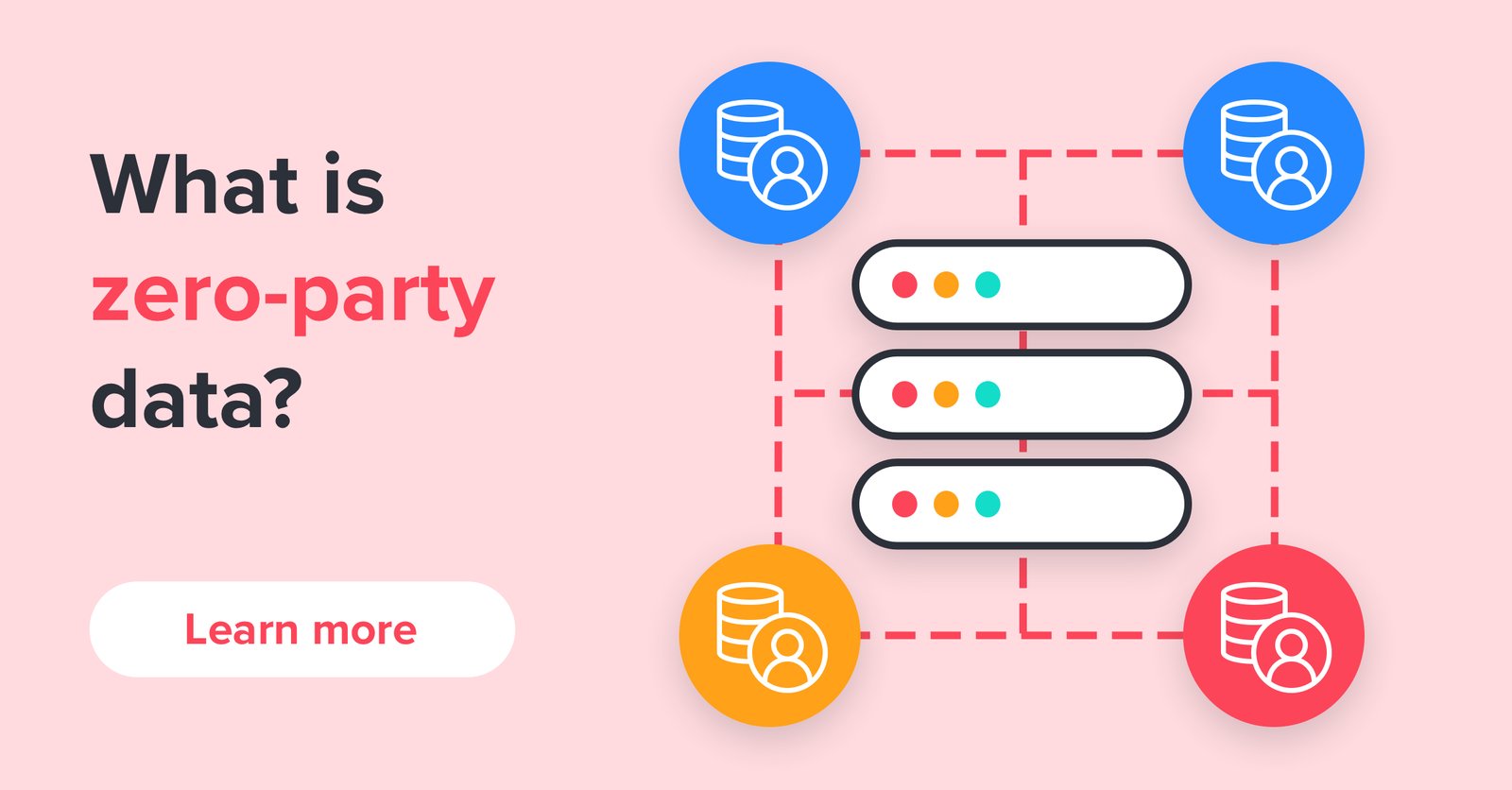
    In the world of digital marketing, data is king. The more data you have about your audience, the better you can target your content and the more effective your campaigns will be. However, not all data is created equal. In fact, some types of data can be much more valuable than others. This is where zero-party data comes in.

    Zero-party data is data that is intentionally shared by customers with a business. This can include things like their preferences, interests, and behaviors. This type of data is particularly valuable because it is freely given by the customer, and can be used to create personalized experiences that are more likely to resonate with them.

    So, how can you use zero-party data to level up your content ROI? Here are some tips to get started:

    1. Ask for it

    The first step in collecting zero-party data is to ask for it. This can be done through surveys, quizzes, or other interactive content that encourages customers to share information about themselves. Make sure to ask questions that are relevant to your business and that will help you create more targeted content.

    1. Use it to personalize your content

    Once you have collected zero-party data, use it to personalize your content. This can include things like using the customer’s name in your emails or tailoring your website to their interests. By providing a personalized experience, you are more likely to keep customers engaged and increase their loyalty.

    1. Test and optimize

    As with any marketing strategy, it is important to test and optimize your content. Use A/B testing to see which types of content resonate best with your audience, and use the insights you gain to improve your future campaigns.

    1. Respect customer privacy

    Finally, it is important to respect customer privacy when collecting and using zero-party data. Make sure to clearly communicate how you will be using the data, and give customers the option to opt out if they choose to do so. By respecting customer privacy, you can build trust and create more meaningful relationships with your audience.

    In conclusion, zero-party data is a powerful tool that can help you create more personalized and effective content. By collecting this type of data and using it to create tailored experiences, you can improve your content ROI and build stronger relationships with your audience. So, start asking for zero-party data today and see how it can level up your marketing game!

  • The Shocking Truth About Email Marketing: You’ve Been Doing It Wrong!

    The Shocking Truth About Email Marketing: You’ve Been Doing It Wrong!

    As digital marketers, we all know the importance of email marketing in today’s business world. It is one of the most powerful and cost-effective ways to promote products or services and to stay in touch with customers. However, despite its popularity, email marketing is often done wrong. In this article, we will reveal the shocking truth about email marketing, and why you’ve been doing it wrong all along.

    The Problem with Traditional Email Marketing

    Traditional email marketing methods involve sending out mass emails to a list of subscribers, hoping that a small percentage of them will click through and take action. However, this approach is becoming less effective with time, as people are becoming more and more wary of spam emails and are less likely to engage with them.

    The Solution: Personalized Email Marketing

    The solution to the problem of traditional email marketing is personalized email marketing. Instead of sending out mass emails, businesses should focus on building a relationship with each individual subscriber by sending them personalized and relevant content. This approach not only increases engagement but also builds trust and loyalty with customers.

    Why Use It?

    One of the most effective tools for personalized email marketing is the APK app. APK is an acronym for Android Package Kit, which is used to install and distribute apps on Android devices. APKs are designed to be easy to install, use, and customize, making them perfect for businesses that want to personalize their email marketing campaigns.

    APKs can be used to create custom templates for emails, add personalized images and videos, and even include interactive elements like polls and surveys. APKs also allow businesses to track user behaviour and interests, allowing for even more personalized content in future emails.

    Key Features

    – Custom templates for emails

    – Personalized images and videos

    – Interactive elements like polls and surveys

    – User behaviour and interest tracking

    Exploring the Features of APK for Email Marketing

    Custom Templates: With APK, businesses can create custom templates for emails, ensuring that every email sent is unique and tailored to the individual subscriber. Custom templates can include images, videos, and even interactive elements like polls and surveys, making emails more engaging and interactive.

    Personalized Images and Videos: Using APKs, businesses can include personalized images and videos in their emails, increasing engagement and creating a more personal connection with the subscriber. Personalized images and videos can be tailored to the subscriber’s interests, ensuring that they are relevant and interesting.

    Interactive Elements: APKs allow businesses to add interactive elements like polls and surveys to their emails, providing an opportunity for subscribers to engage with the content and share their opinions. This type of interaction helps build a relationship with the subscriber and can lead to increased engagement and sales.

    User Behaviour and Interest Tracking: APKs allow businesses to track user behaviour and interests, providing insights into what subscribers are interested in and what types of content they engage with. This data can be used to create even more personalized content in future emails, leading to higher engagement and increased sales.

    Original vs. Mod APK

    Original APKs are created by the app developers and are available on official app stores like Google Play Store. Mod APKs, on the other hand, are modified versions of the original app that may have additional features or functionality not available in the original. While mod APKs may seem tempting, they are often illegal and may contain malware or viruses that can harm your device. Stick with original APKs to ensure the safety and security of your device and data.

    How to Download?

    To download an APK app, simply go to the official app store like Google Play Store, search for the app, and click on the download button. Make sure to only download from official sources to avoid any security risks.

    Conclusion

    Email marketing is an essential tool for businesses to promote their products or services and to stay in touch with their customers. However, traditional email marketing methods are becoming less effective, and businesses need to adapt to new strategies to stay ahead of the game. Personalized email marketing, using APKs, is one such strategy that can help businesses build a stronger relationship with their subscribers and increase engagement and sales.

    In conclusion, the shocking truth about email marketing is that businesses have been doing it wrong by using traditional email marketing methods. Personalized email marketing, using APKs, is the way forward for businesses looking to increase engagement and build stronger relationships with their subscribers. By using custom templates, personalized images and videos, interactive elements, and user behaviour and interest tracking, businesses can create personalized content that resonates with their subscribers and leads to increased engagement and sales. So, if you’re still doing email marketing the old-fashioned way, it’s time to make the switch to personalized email marketing with APKs.

    FAQs

    Q: What is APK?

    A: APK is an acronym for Android Package Kit, which is used to install and distribute apps on Android devices.

    Q: Why is personalized email marketing important?

    A: Personalized email marketing is important because it builds a stronger relationship with subscribers and increases engagement and sales.

    Q: What are the benefits of using APKs for email marketing?

    A: The benefits of using APKs for email marketing include custom templates, personalized images and videos, interactive elements, and user behaviour and interest tracking.

    Q: What is the difference between original and mod APKs?

    A: Original APKs are created by the app developers and are available on official app stores like Google Play Store. Mod APKs, on the other hand, are modified versions of the original app that may have additional features or functionality not available in the original.

    Q: Is it safe to download mod APKs? A: No, it is not safe to download mod APKs as they are often illegal and may contain malware or viruses that can harm your device.